

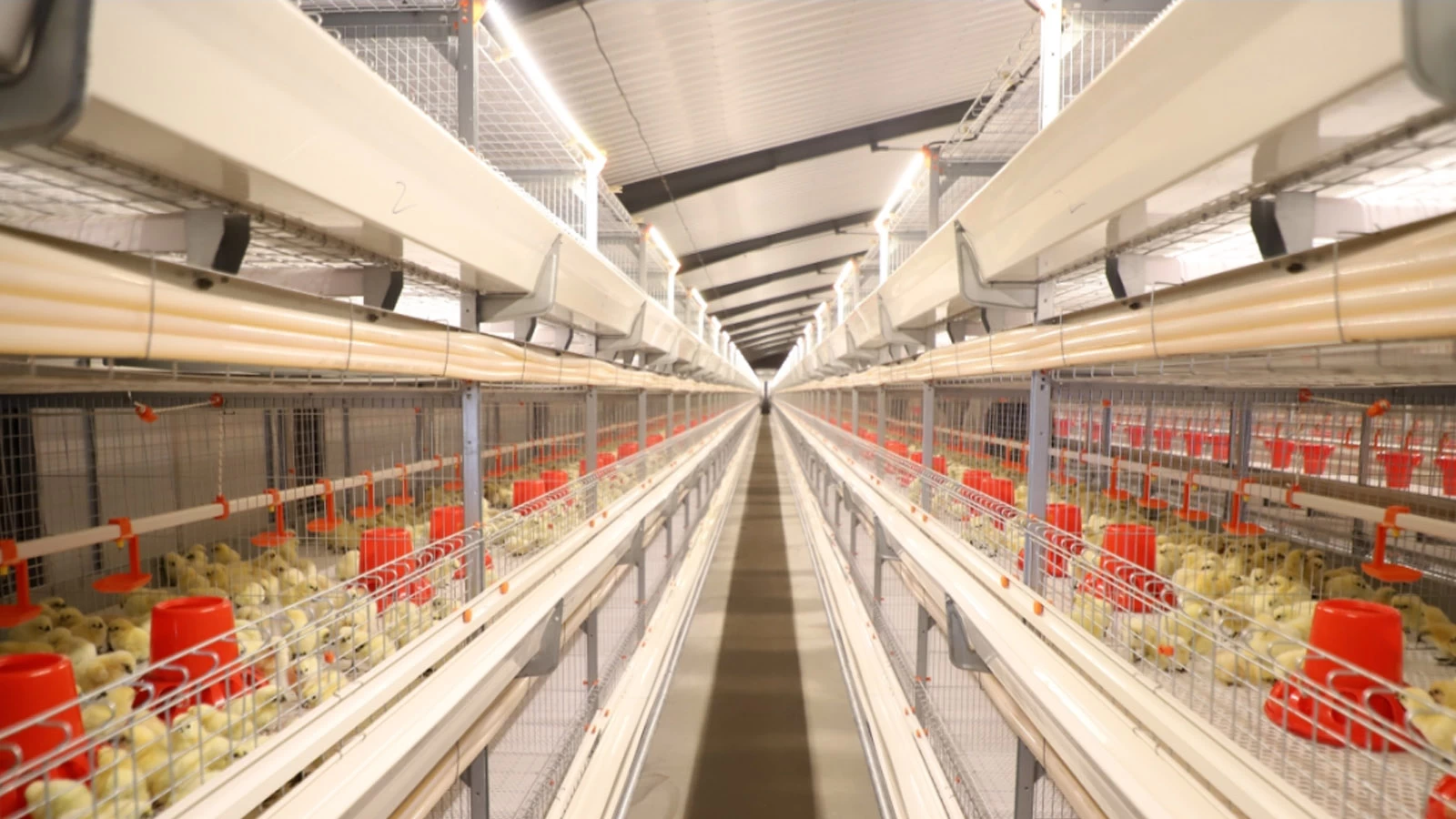
The autumn season brings heightened risks of epidemic viral outbreaks, particularly Newcastle disease, avian influenza, and complex respiratory infections. Fluctuating house environments weaken bird immunity, making structured health monitoring and biosecurity protocols essential to prevent pathogen entry and spread.
 |
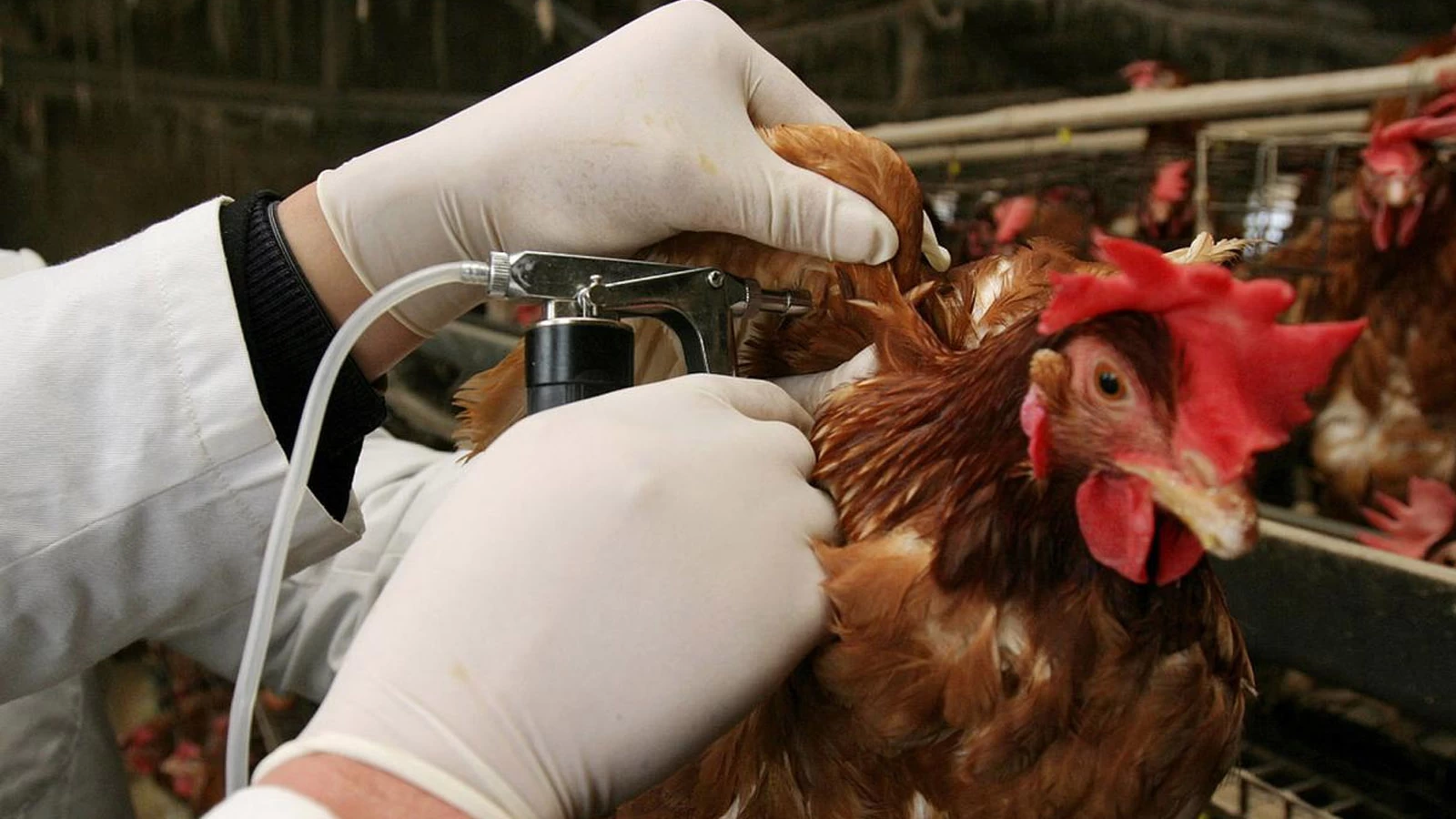
Regular antibody level testing serves as the primary diagnostic tool to evaluate flock immunity. If antibody titers fall below protective thresholds, supplementary vaccinations must be administered immediately. Waiting for physical clinical symptoms before taking action often results in widespread transmission across production houses.
 |
Comprehensive cleaning and disinfection protocols must encompass both internal structures and external farm grounds. Water lines and feed troughs require frequent sanitation to remove biofilms and microbial build-up. Furthermore, completing thorough mosquito eradication and internal/external parasite control removes common mechanical vectors for viral and bacterial transfer.
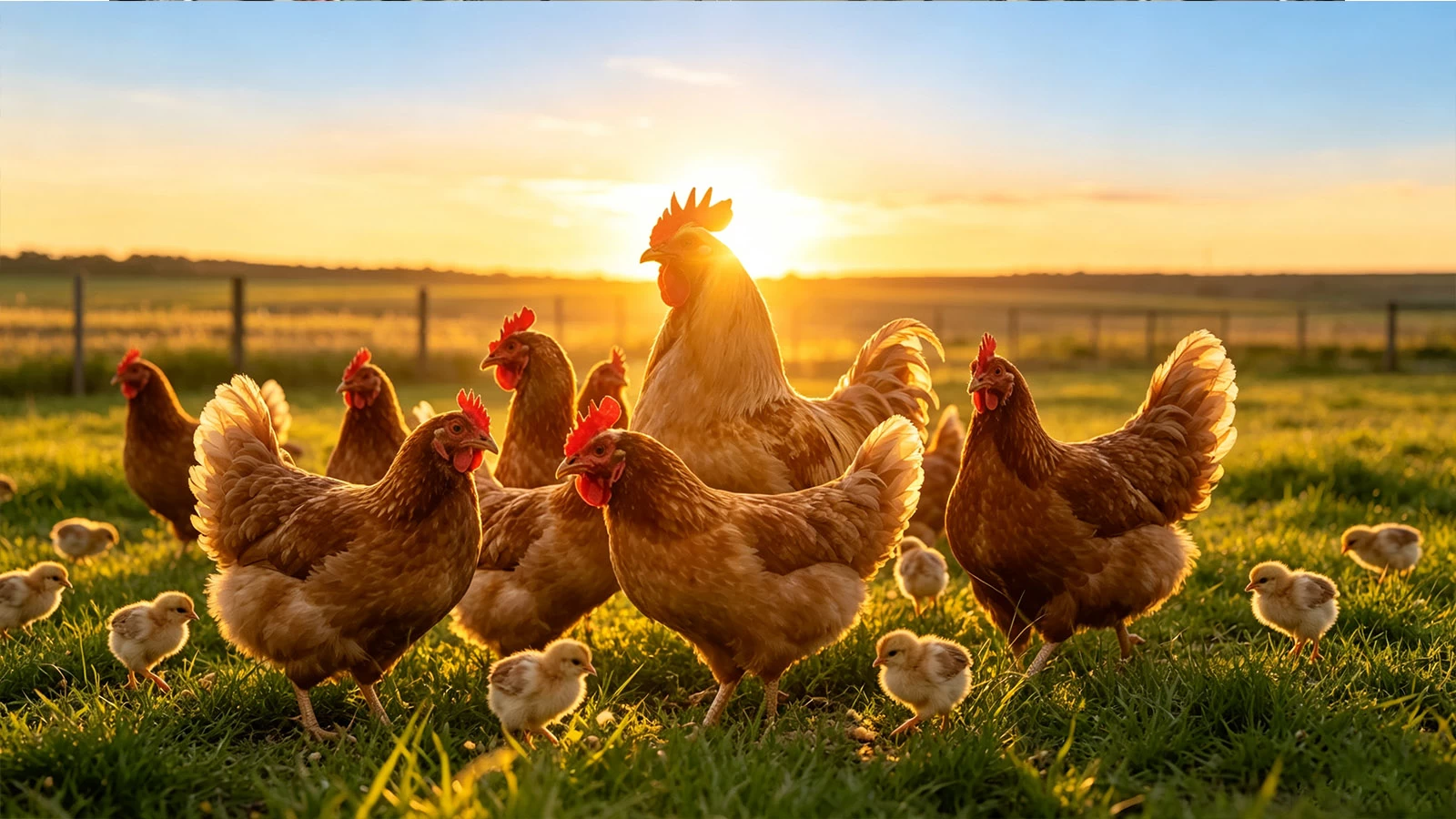
Daily inspection routines should focus closely on flock mental status, droppings consistency, and eggshell quality. Isolating abnormal or sick birds at the first sign of distress limits disease exposure, protecting the overall flock and preserving farm operational continuity.