

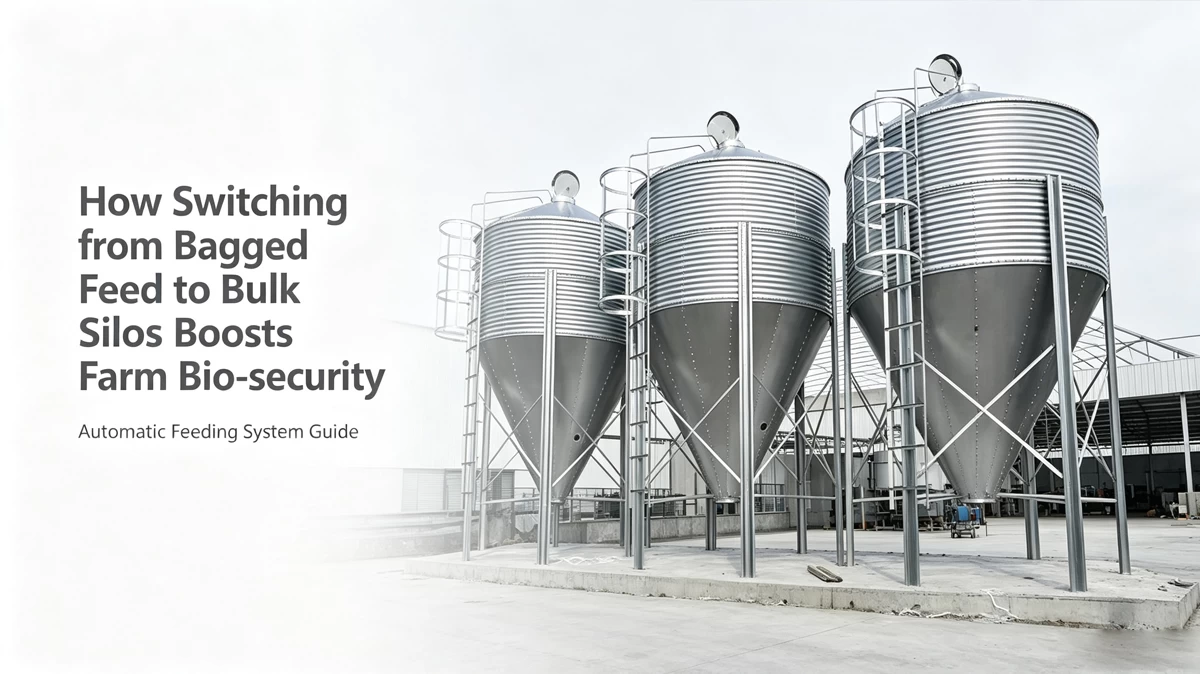
How Switching from Bagged Feed to Bulk Silos Boosts Farm Bio-security
In modern livestock and poultry farming, bio-security is the single most important line of defense against devastating diseases like Avian Influenza and African Swine Fever.
While farmers invest heavily in disinfectants, vehicle bays, and shower-in facilities, they often overlook a major vulnerability: how feed is stored and handled.
If your farm still relies on bagged feed, you are exposing your livestock to massive bio-security risks. Switching to bulk feed storage silos paired with automatic conveying systems is one of the most effective ways to upgrade your farm’s defense system.
Here is how making the switch protects your farm, your animals, and your profits.
1. Complete Shielding Against Wild Birds and Rodents
Traditional paper or plastic feed bags are easily chewed through by rats and mice, and spilled bag feed quickly attracts wild birds. These pests are notorious vectors for diseases (such as Salmonella and wild bird viruses).
The Bagged Feed Risk: Pests chew bags, urinate/defecate directly on the feed, and contaminate the entire batch before it ever reaches your feeders.
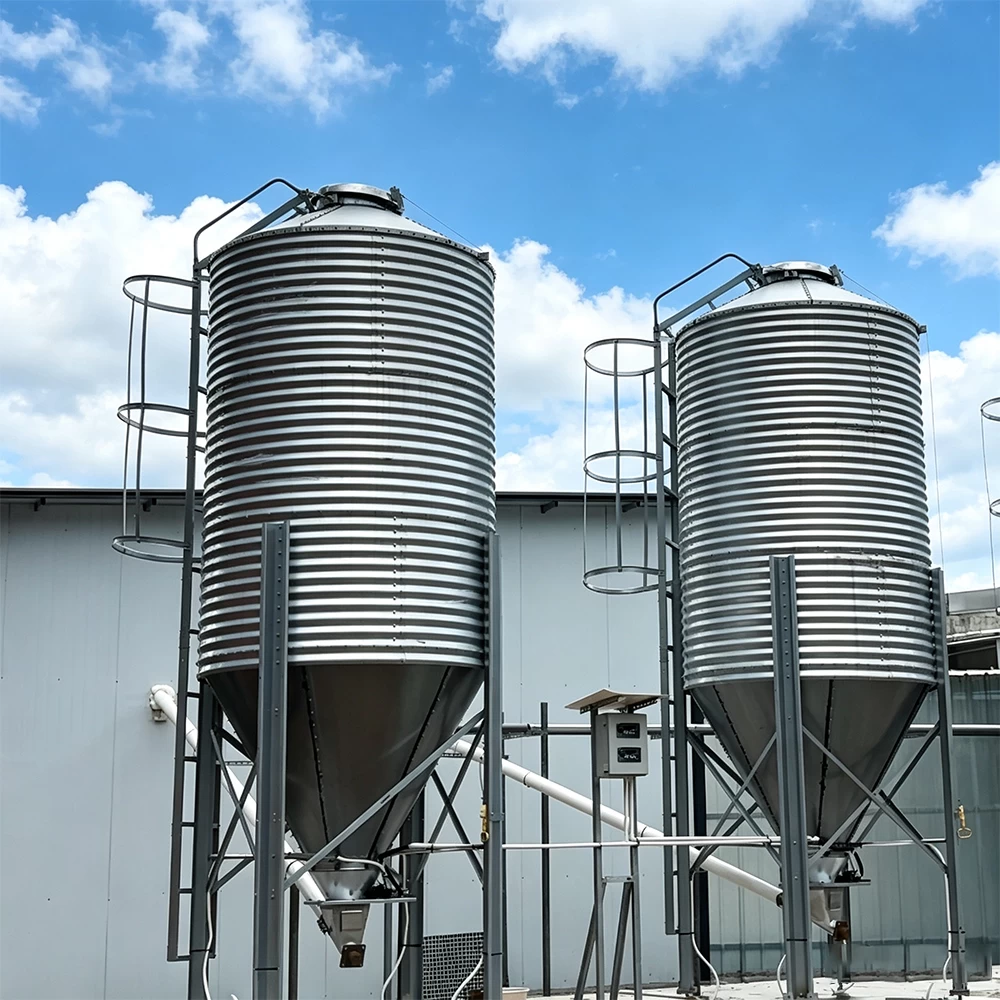
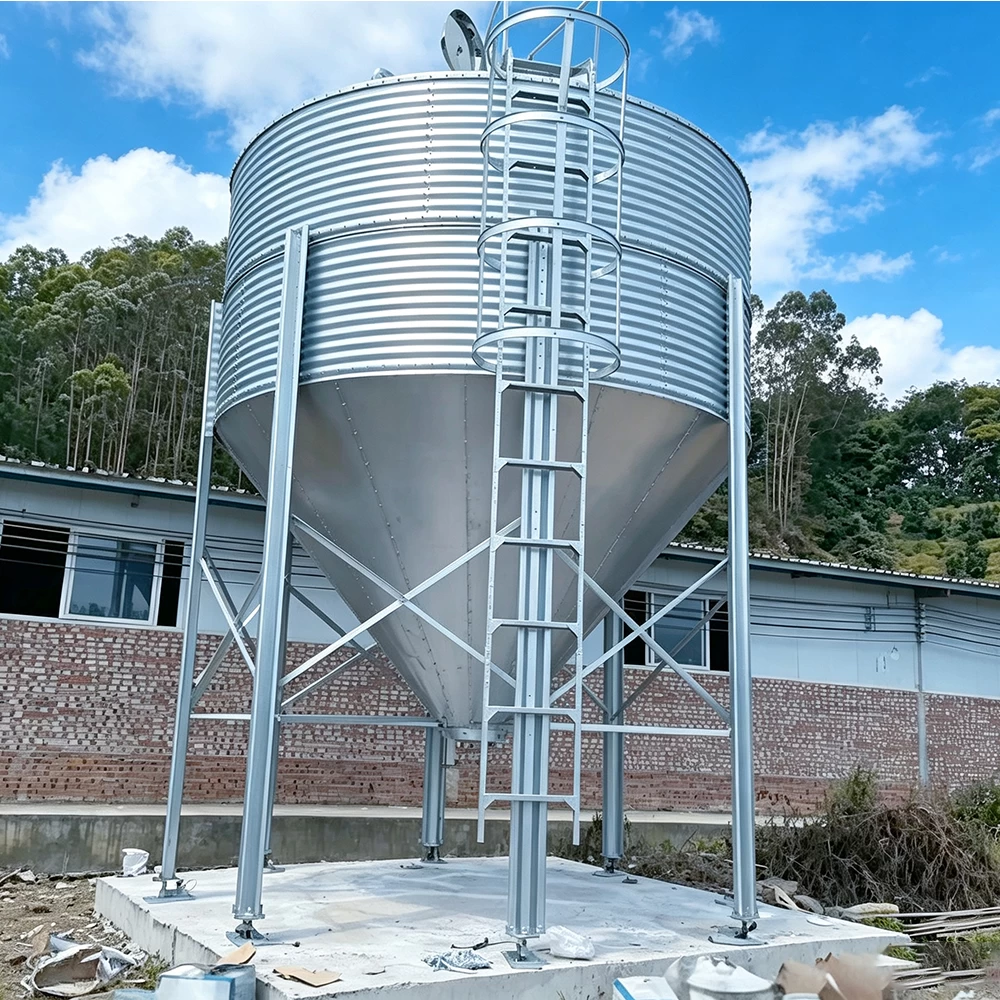
The Bulk Silo Solution: Heavy-duty galvanized steel or fiberglass silos from North Husbandry are completely sealed. Rodents cannot chew through them, and wild birds cannot access the feed, cutting off this primary disease transmission route entirely.
2. Eliminating Pathogen Entry from Human and Vehicle Footprint
Every time a truck delivers pallets of bagged feed, workers must manually offload, carry, and stack the bags in a warehouse, and later carry them into the poultry/livestock houses.
The Bagged Feed Risk: Multiple workers, dirty boots, and external pallets travel from the outside world directly into the clean zone of your animal houses.
The Bulk Silo Solution: Bulk feed trucks deliver feed directly into the silo via pneumatic blowing or auger filling from outside the farm fence. The feed is then automatically transported directly from the silo to the indoor feeders via closed pipes (feed augers). No human touch, no boots walking inside, and no external packaging enters your clean zone.
3. Ultimate Protection Against Mold and Airborne Pathogens
Bagged feed is highly susceptible to humidity. Once a bag is opened, the feed absorbs moisture from the air, leading to rapid mold growth and the production of dangerous mycotoxins, which destroy animal immunity.
The Bagged Feed Risk: Open bags in a humid warehouse quickly spoil, weakening your animals’ immune systems and making them highly susceptible to infections.
The Bulk Silo Solution: Modern silos are designed with airtight seals and moisture-resistant properties. They keep the feed dry, cool, and fresh, preventing mold growth and ensuring your animals always consume high-quality, pathogen-free feed.
Why Bulk Storage is the Future of Farming
| Feature | Bagged Feed Storage | Bulk Feed Silo System |
| Pest Access | High (Bags are easily breached) | Zero (Airtight metal/fiberglass) |
| Human Labor & Footprint | Intensive (High contamination risk) | Fully Automated (Zero touch) |
| Moisture & Mold Risk | High (Exposed to air humidity) | Low (Sealed & moisture-controlled) |
| Bio-security Level | Low | Maximum |
Upgrade Your Farm's Bio-security Today
Switching to bulk feed silos is not just an investment in convenience and labor savings—it is a critical insurance policy for your flock's health.
At North Husbandry, we manufacture high-capacity, durable, and weather-resistant bulk feed silos and automatic auger delivery systems designed to meet strict international bio-security standards.
📩 Contact North Husbandry today! Tell us your farm capacity, and our engineering team will design a secure, automated feed storage and delivery layout for your farm for free.
 |  |