

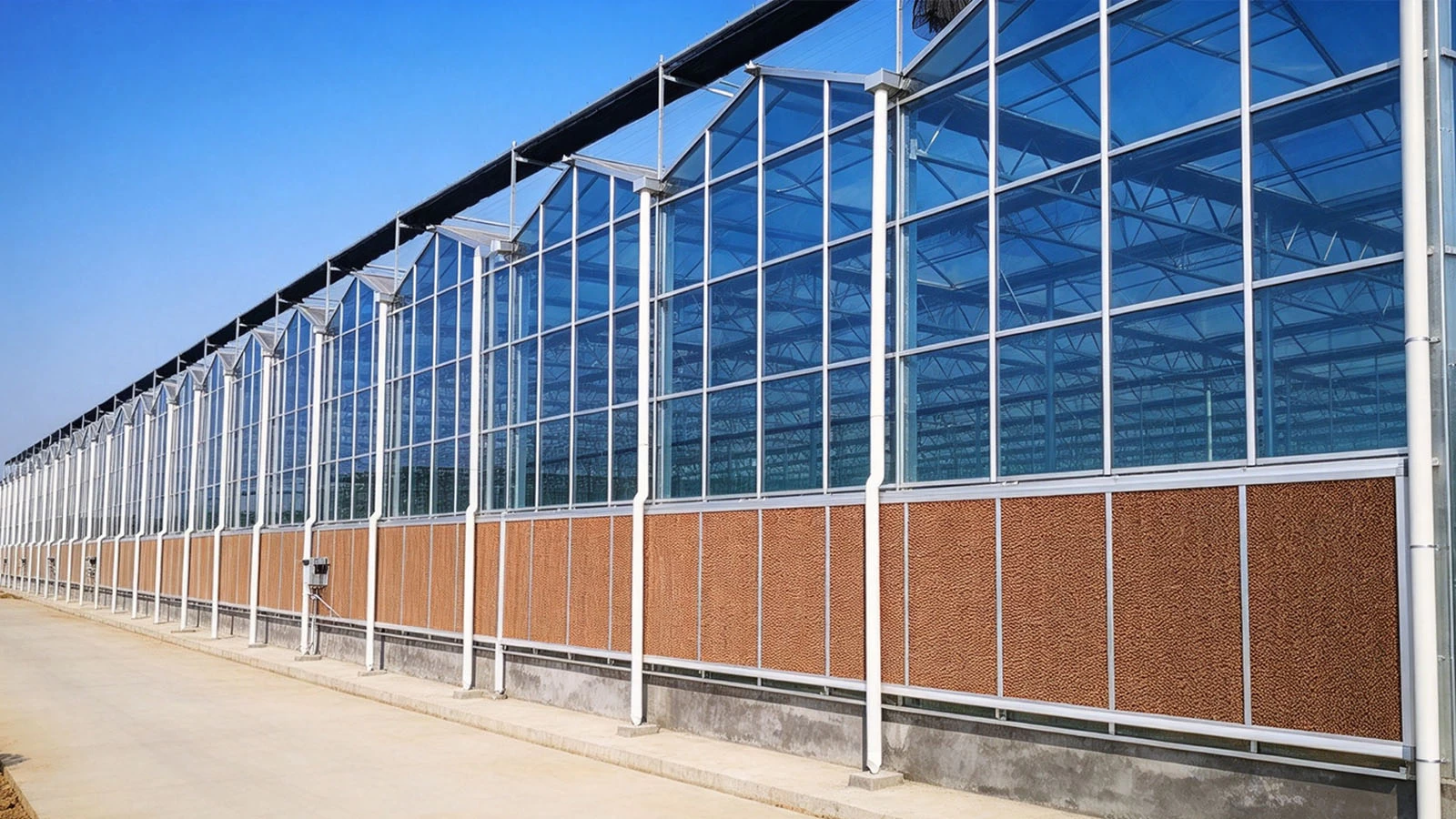
The Evolution from Manual Operation to Autonomous Microclimates
Traditional greenhouse management relied on manual switch control or basic thermostat dials. Today, modern commercial operations are adopting smart greenhouse climate control systems that respond dynamically to ambient weather, solar intensity, wind direction, and internal humidity.
How IoT Sensor Networks Drive Smart Ventilation
By deploying distributed wireless sensor networks throughout the growing zone, smart controllers gather real-time data on:
Canopy Temperature & Relative Humidity (RH)
Vapor Pressure Deficit (VPD)
Carbon Dioxide (CO2) Levels
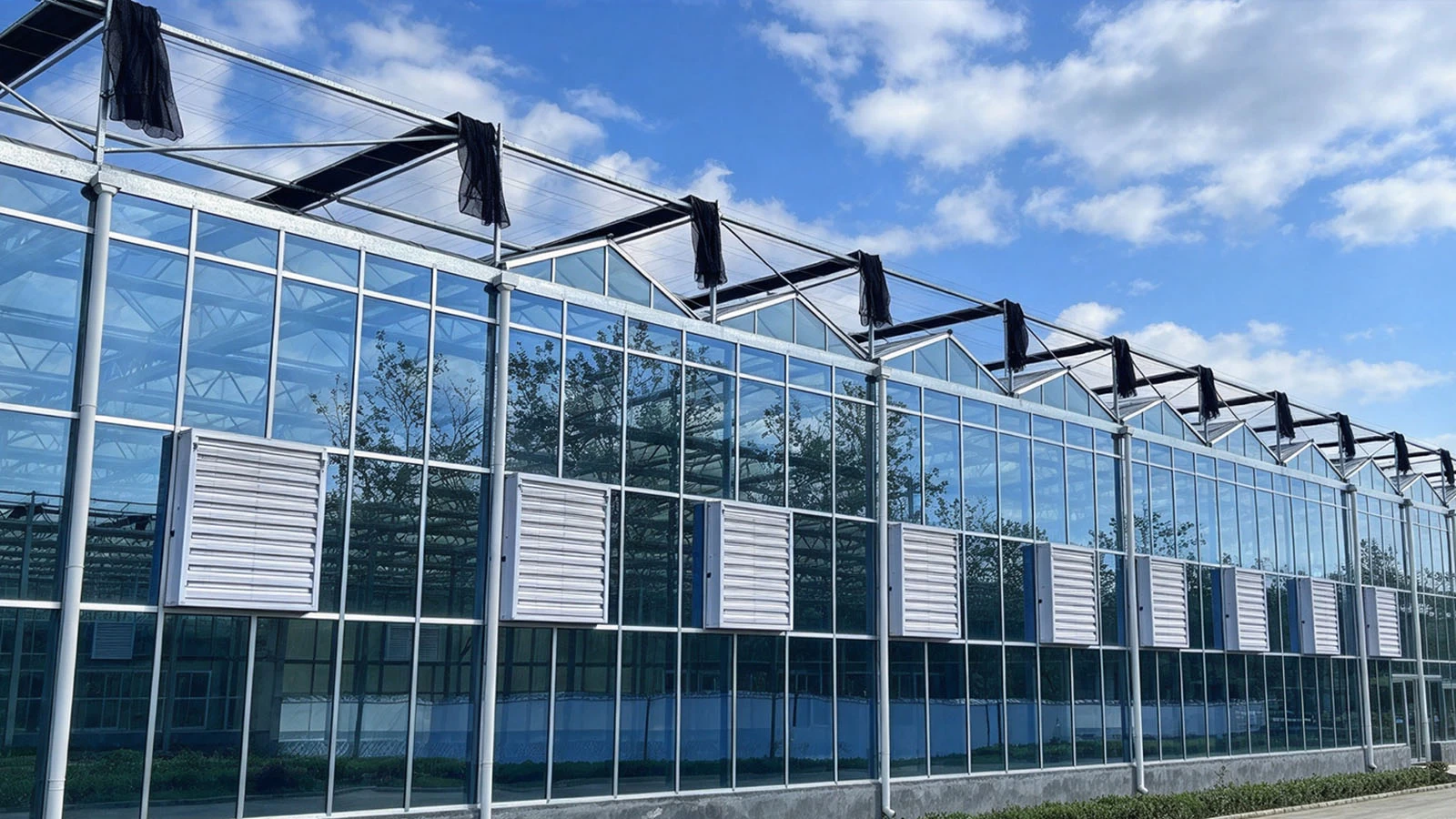
When CO2 drops due to plant photosynthesis, or VPD moves outside the optimal transpiration zone, the smart controller automatically calculates the precise fan speed and vent opening required to restore equilibrium—preventing plant stress before visible symptoms appear.
 |
Precision Engineering: CFD Airflow Modeling in Greenhouse Design
Before installing a single fan, advanced engineering teams utilize Computational Fluid Dynamics (CFD) software to simulate air movement, thermal distribution, and static pressure drop inside the proposed greenhouse layout.
Eliminating Hot Spots: CFD modeling identifies stagnant pockets and uneven airflow paths prior to construction.
Optimizing Equipment Placement: Simulations determine the exact mounting height, spacing, and fan specs required for uniform air exchange across every square meter.
The Future: AI-Driven Predictive Climate Control
The next frontier in commercial greenhouse engineering is predictive control. By integrating real-time weather forecasts into AI management software, smart ventilation systems can pre-cool or adjust air exchange before a solar heat spike hits the greenhouse, lowering energy usage and ensuring total crop stability.