

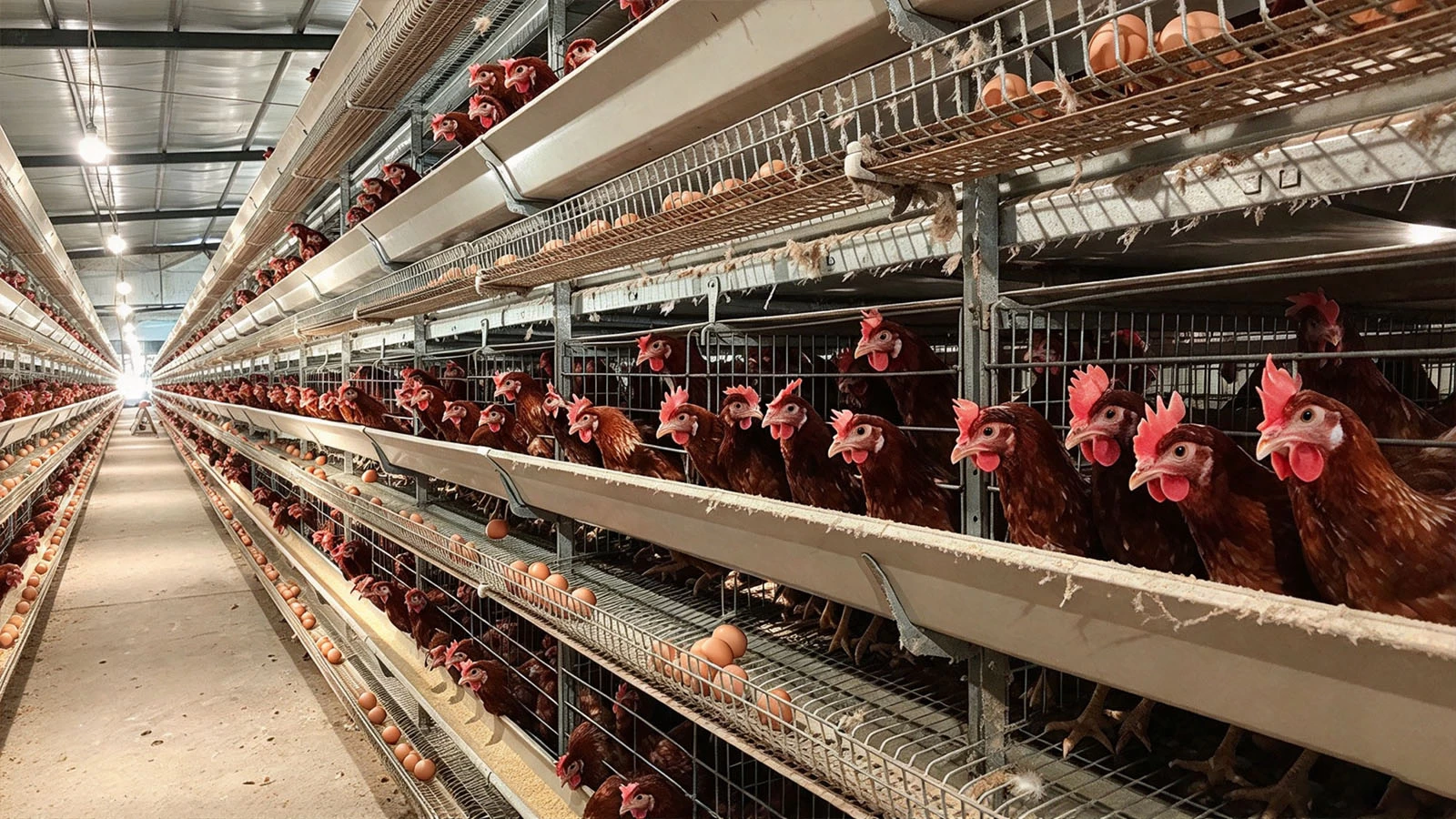
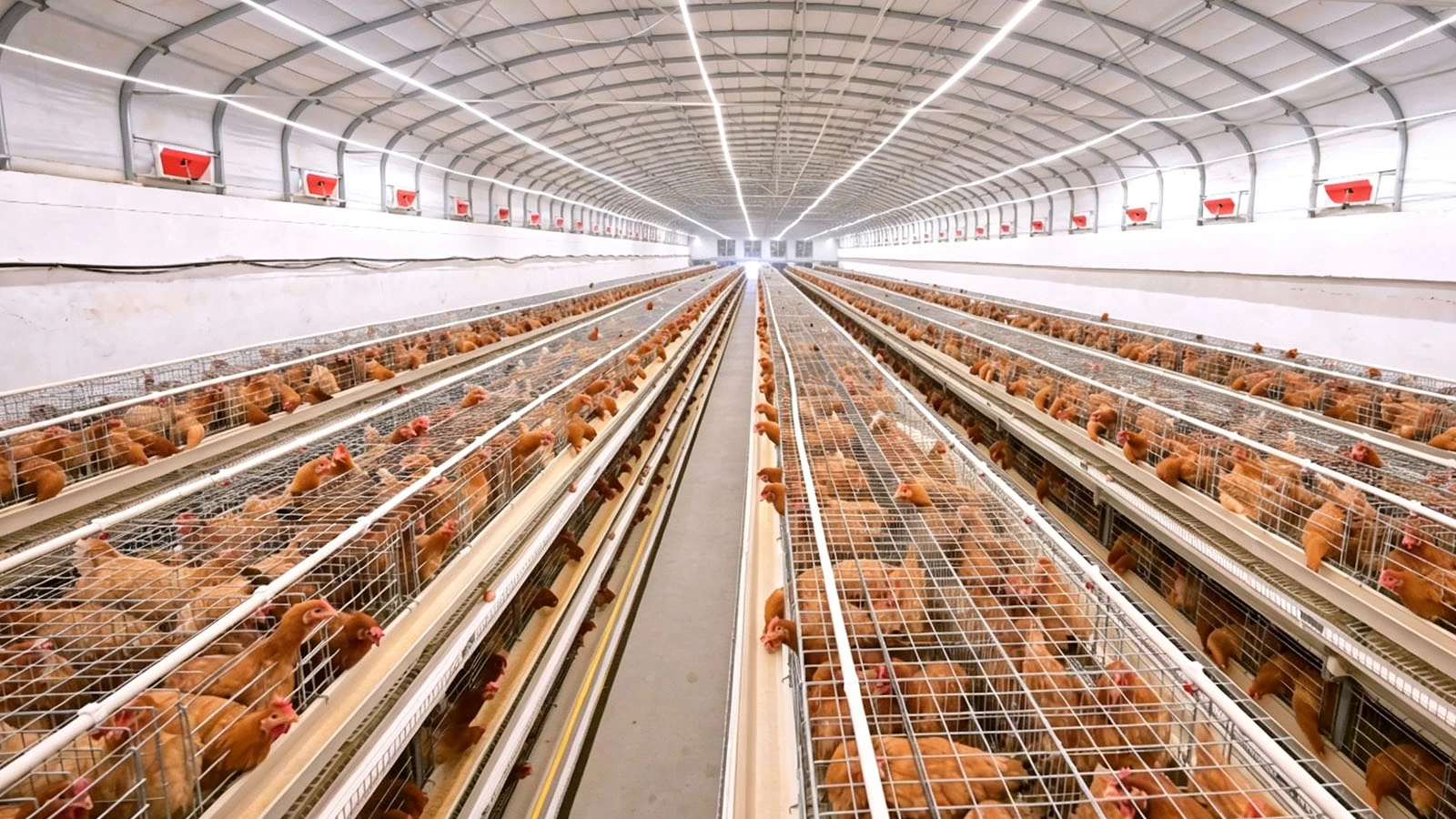
Engineering an effective ventilation system for a 1,000-square-meter poultry barn or industrial plant requires precise air volume sizing. Oversizing leads to excessive energy consumption, while undersizing causes heat build-up and air stagnation. Choosing the right heavy-hammer exhaust fans involves systematic calculation.
1. Step-by-Step CFM Requirement Calculation
To determine total required air volume (Cubic Feet per Minute / CFM), follow this standard formula:
Calculate Facility Volume: Length X Width X Average Height = Total Volume (cubic feet).
Determine Air Exchange Rate: For livestock housing in tropical climates, aim for 1 complete air exchange per minute (60 air exchanges per hour).
Required Total CFM: Total Volume X Desired Air Changes per Minute = Required CFM .
 |
2. Comparing Fan Sizes and Specifications
Heavy-hammer exhaust fans are typically manufactured in standardized frame dimensions:
1380mm X1380mm (50-inch): The industry standard for large poultry farms and agricultural greenhouses. Delivers up to 44,000 m³/h airflow with optimal energy efficiency.
1100mm X1100mm (40-inch): Suitable for medium-sized workshops, dairy sheds, or secondary side-wall ventilation.
900mm X 900mm (36-inch): Ideal for targeted spot cooling or smaller livestock holding areas.
3. Key Engineering Factors for B2B Purchasing
When reviewing manufacturer spec sheets, evaluate static pressure resistance, blade material (stainless steel vs. galvanized sheet), motor protection rating (IP55 minimum), and drive mechanism reliability. Selecting high-efficiency motors reduces long-term operational expenditure (OPEX) over years of continuous service.