
1. Core Principle: Heat & Moisture Prevention First
In tropical environments, heat stress and dampness are the primary threats to poultry health, often leading to sudden egg drops, high mortality, and coccidiosis outbreaks.
Daily Inspection Checklist: Observe birds daily for panting (a clear sign of severe heat stress), feed intake, water consumption, and droppings consistency.
Immediate Response: Isolate sick or respiratory-distressed birds immediately and consult a local veterinarian. Avoid non-prescribed antibiotic treatments.
2. Environmental Control: Managing Heat, Humidity, and Airflow
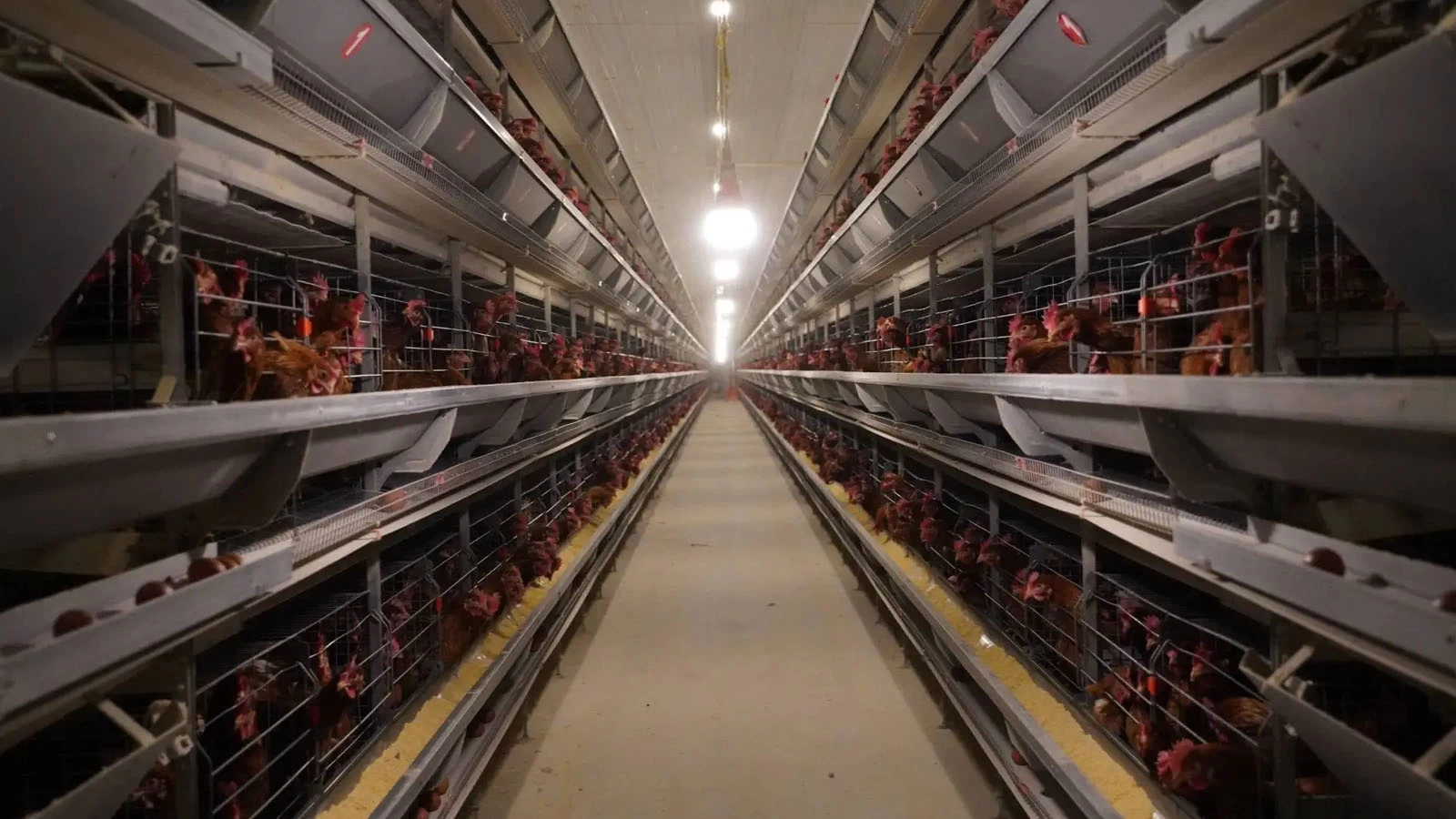
Image suggestion: Modern poultry house featuring longitudinal tunnel ventilation with cooling pads.
Temperature Management: The ideal temperature for layers is 15°C–25°C. Temperatures exceeding 30°C trigger severe heat stress.
Humidity Control: Keep indoor relative humidity between 60% and 70%. High humidity combined with heat breeds pathogens and parasites, while overly dry air causes respiratory mucosal damage.
Tunnel Ventilation: Utilize longitudinal tunnel ventilation with evaporative cooling pads, which can drop the house temperature by 3°C–5°C compared to cross-ventilation.
Air Quality Targets: Maintain ammonia (NH3) levels below 10 mg/m³ and carbon dioxide (CO2) below 1500 mg/m³.
Lighting & Shading: Maintain 16 hours of daily light for peak layers 1 W/㎡ to 1.2W/㎡. Install external shade nets or extended eaves to shield coops from direct equatorial sunlight.
 |
3. Tropical Feeding & Hydration Strategies
Formulation by Flock Type:
Laying Hens (High Protein): 500 lbs Corn + 200 lbs Soybean Meal. (Always incorporate mold inhibitors to prevent mycotoxin contamination in humid weather).
Pullets / Roosters (Low Protein): 500 lbs Corn + 100 lbs Soybean Meal.
Mixed Flocks: Use a balanced 15% crude protein formula.
Feeding Schedule: Shift feed delivery to cooler hours (early morning and late evening) to maximize intake.
Calcium & Minerals: Provide separate calcium grit (limestone or crushed shell) for layers. Local fruits (e.g., papayas) can be given sparingly as treats but must not replace primary feed.
Cool Drinking Water:
Adjust drinker height so the lip sits slightly higher than the bird's back.
Flush and sanitize water lines every 1–2 days. Shade all exposed water tanks and pipes from direct sunlight to keep drinking water cool.
4. Vaccination & Disease Prevention in High-Humidity Areas
Recommended Vaccination Schedule:
Day 1: Marek's Disease vaccine.
Days 7–10: Newcastle Disease (ND) + Infectious Bronchitis (IB).
Days 10–14 & Days 28–30: Avian Influenza (AI) primary and booster shots; revaccinate every 4–5 months.
Disinfection & Coccidiosis Control:
Spray-disinfect inside and outside coops 2–3 times weekly during cooler hours using non-irritating disinfectants like Quaternary Ammonium Compounds (QACs) or iodine.
Floor-raised flocks require periodic preventive anticoccidial rotation. Do not use a single anticoccidial drug continuously for more than 6 consecutive days to prevent drug resistance.