

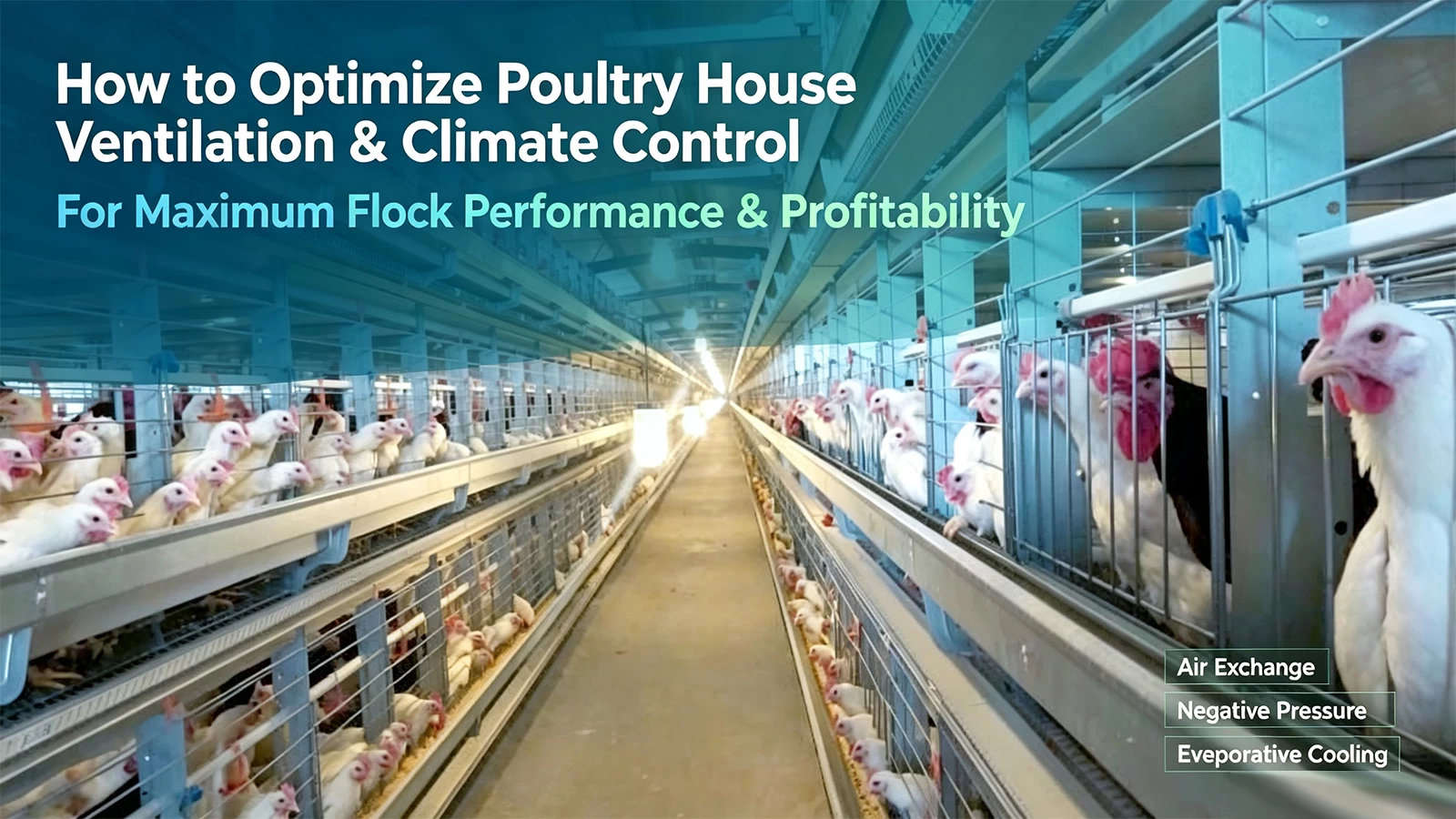
How to Optimize Poultry House Ventilation & Climate Control for Maximum Flock Performance
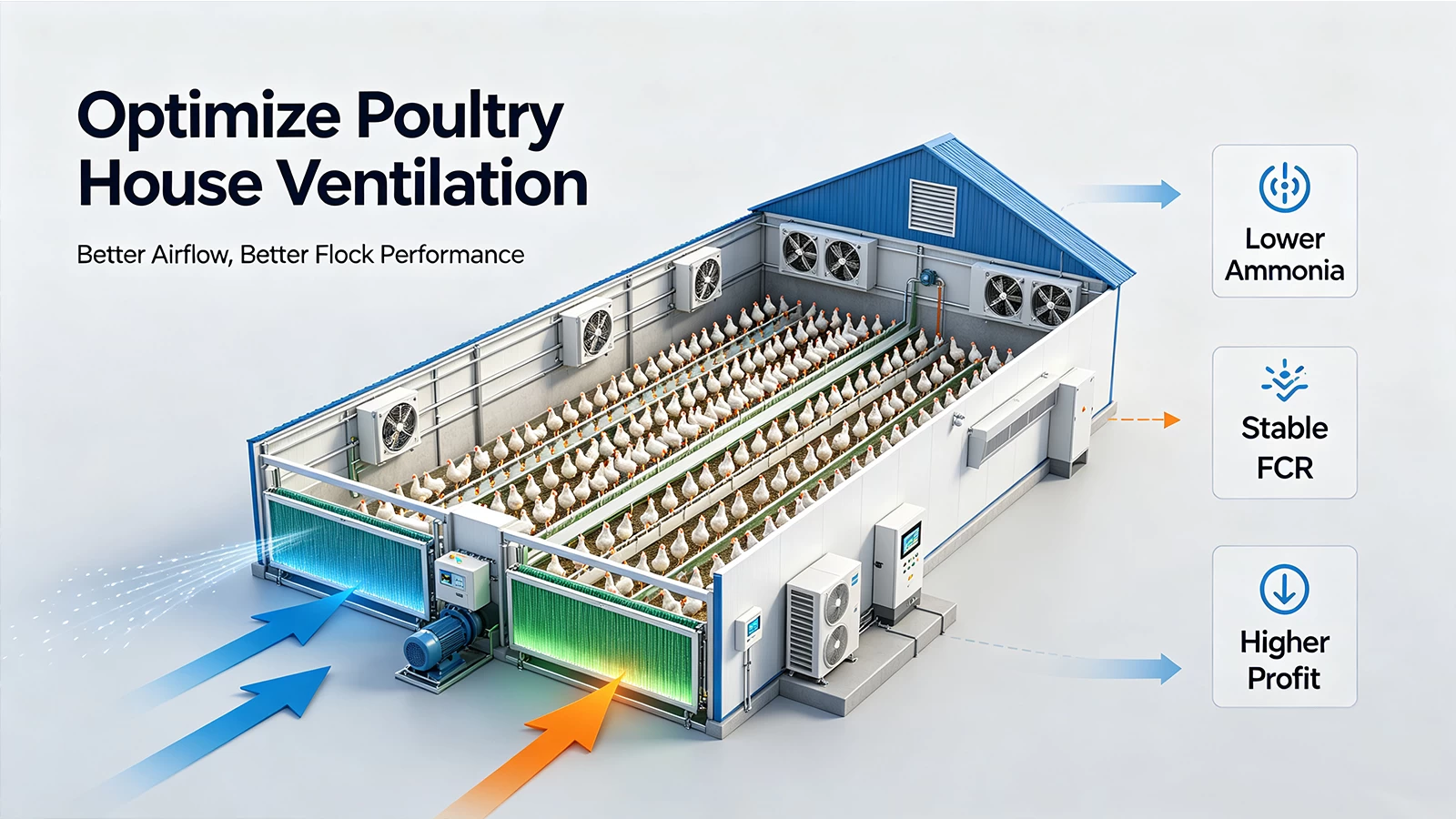
Maintaining an ideal indoor environment is critical to modern poultry farming. Proper ventilation and climate control directly influence bird health, growth rates, feed conversion ratios (FCR), and overall farm profitability. Whether operating a broiler, layer, or breeder facility, optimizing airflow and temperature management is essential for sustainable operation.
 |
1. Understand the Basics of Poultry House Air Exchange
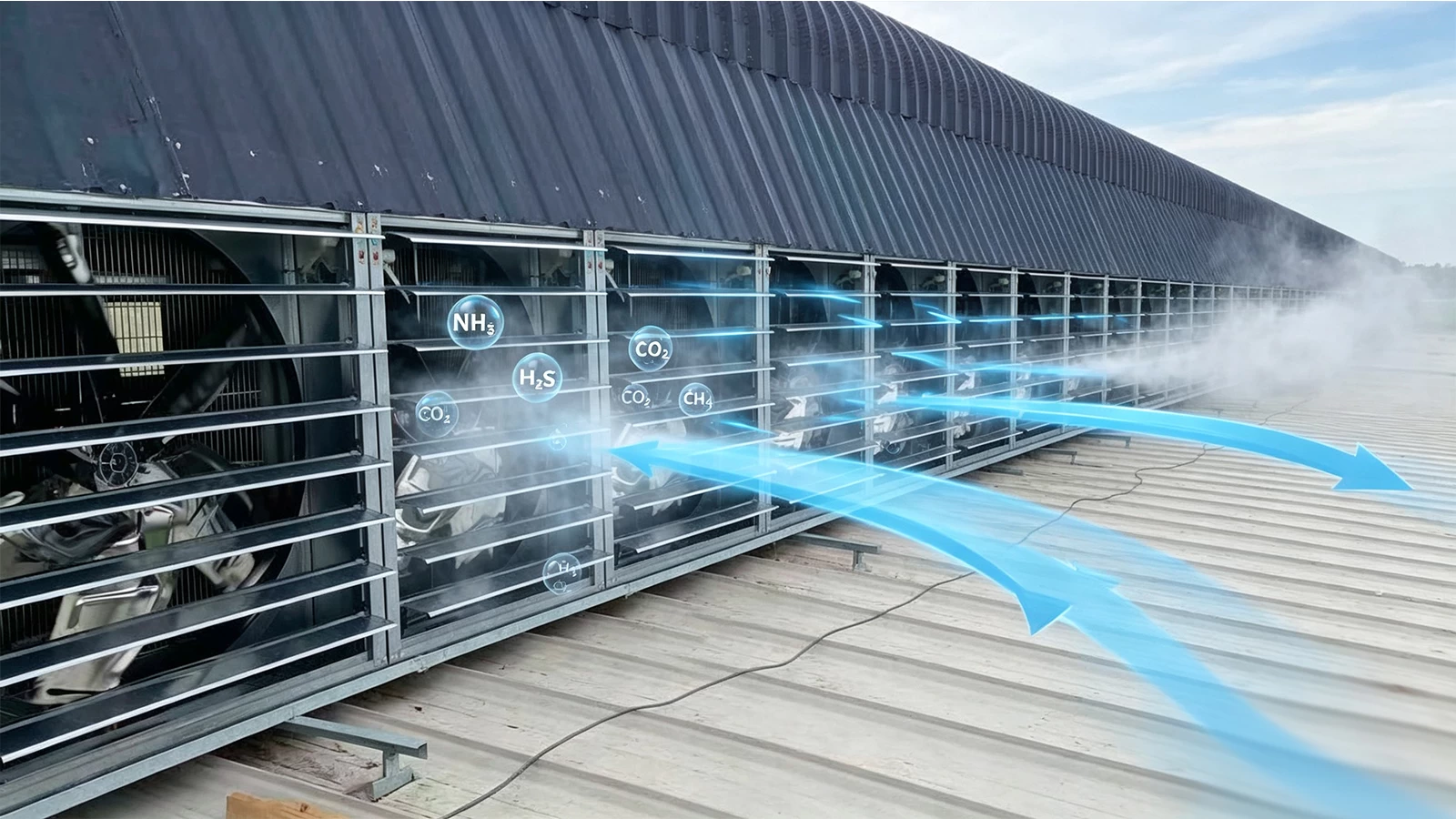
Effective ventilation removes excess moisture, harmful gases (such as ammonia and carbon dioxide), dust, and surplus heat from the poultry house, replacing it with fresh oxygenated air.
Minimum Ventilation: Used during cold weather or for young chicks to maintain air quality without causing drafts.
Transitional Ventilation: Engaged as birds grow and outdoor temperatures rise, requiring increased airflow across the ceiling.
Tunnel Ventilation: Critical for hot seasons, creating high air velocity (wind-chill effect) across birds to maintain comfort.
2. Leverage Negative Pressure Systems for Uniform Airflow
A well-sealed building operating under negative pressure ensures that incoming air passes through designated air inlets rather than structural cracks.
Ensure ceiling/wall inlets open uniformly to direct cold incoming air along the ceiling, allowing it to mix with warm air before descending to bird level.
Regularly check air pressure gauges (manometers) to verify consistent pressure differentials across the house.
 |
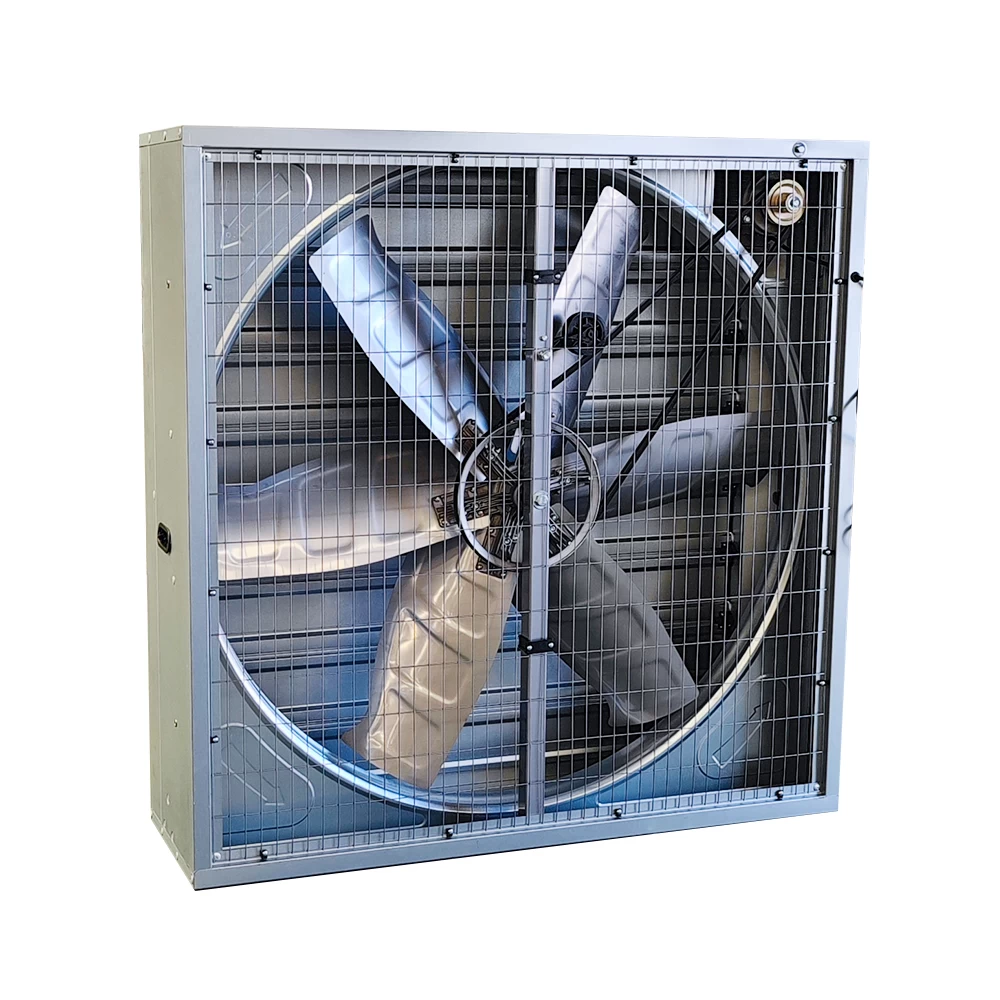
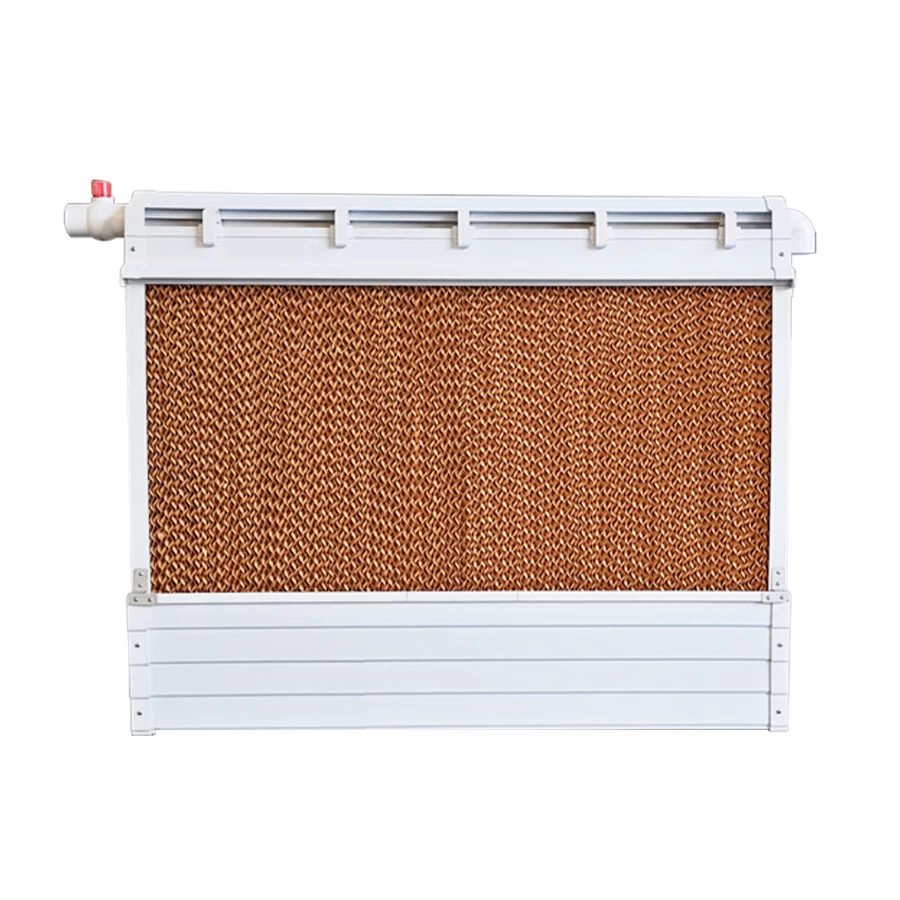
3. Combine Exhaust Fans and Evaporative Cooling Pads
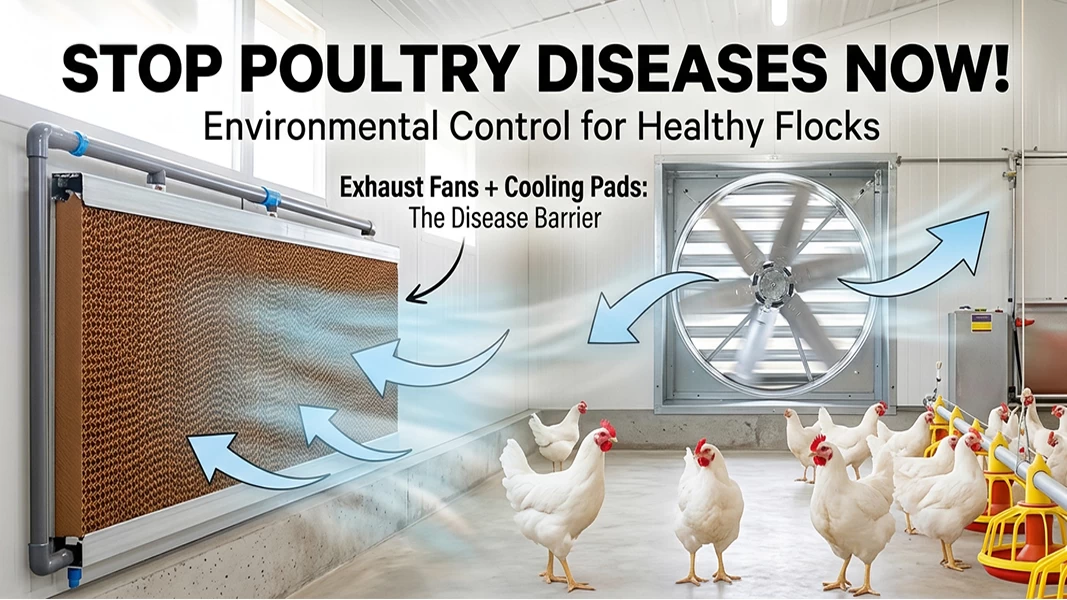
In warm or tropical climates, exhaust fans alone cannot keep indoor temperatures within safe limits. Integrating evaporative cooling pads with high-efficiency exhaust fans creates an effective cooling system:
Airflow Velocity: Ensure tunnel fans provide sufficient wind speed (typically 2.5 to 3.0 m/s) over the birds.
Cooling Pad Area: Size the evaporative cooling pad area relative to total fan capacity to prevent excessive static pressure drag.
Water Quality Maintenance: Keep cooling pads free from scale and algae build-up to maximize evaporation efficiency.
 |
4. Implement Smart Environmental Controllers
Upgrading to an automated environmental control system allows real-time adjustments based on indoor temperature, relative humidity, and static pressure sensor inputs. Modern controllers seamlessly manage fan stages, inlet positions, and water pump cycles 24/7.
 |  |