
Unlocking India’s Agricultural Future: How Greenhouse Subsidies Are Revolutionizing Protected Cultivation
To build a climate-resilient agrifood supply chain, the Indian government—through initiatives like the Mission for Integrated Development of Horticulture (MIDH) and the National Horticulture Board (NHB)—has rolled out capital subsidies offering up to 50% financial assistance for greenhouse and polyhouse construction.
While these incentives create unprecedented opportunities for farmers and agricultural investors, maximizing the ROI of protected cultivation requires a clear understanding of the local operational challenges and critical technology upgrades.
The Reality Check: Challenges Facing Indian Agriculture
Despite vast arable land, Indian growers encounter persistent bottlenecks that limit crop yield and quality:
Escalating Climate Volatility & Heat Stress
India’s summer heatwaves routinely push ambient temperatures well above $40^\circ\text{C}$ to $45^\circ\text{C}$ across major agricultural belts. Open-field horticulture suffers from flower drop, fruit scorching, and severe moisture stress, while unventilated traditional polyhouses turn into heat traps.
Severe Water Scarcity
Over 60% of India's cultivated area remains rain-fed or dependent on depleting groundwater tables. Traditional flood irrigation leads to substantial water loss through evaporation and runoff.
High Post-Harvest Losses
Due to erratic weather and inadequate local micro-climate management, up to 20%–30% of high-value produce (such as bell peppers, cucumbers, berries, and exotic floriculture) is damaged before reaching wholesale markets.
Where Indian Greenhouse Farming Needs Improvement
Access to government capital subsidies solves the initial funding barrier, but building a sustainable protected farming business requires tackling technical operational weaknesses:
From Passive Shading to Active Micro-Climate Control
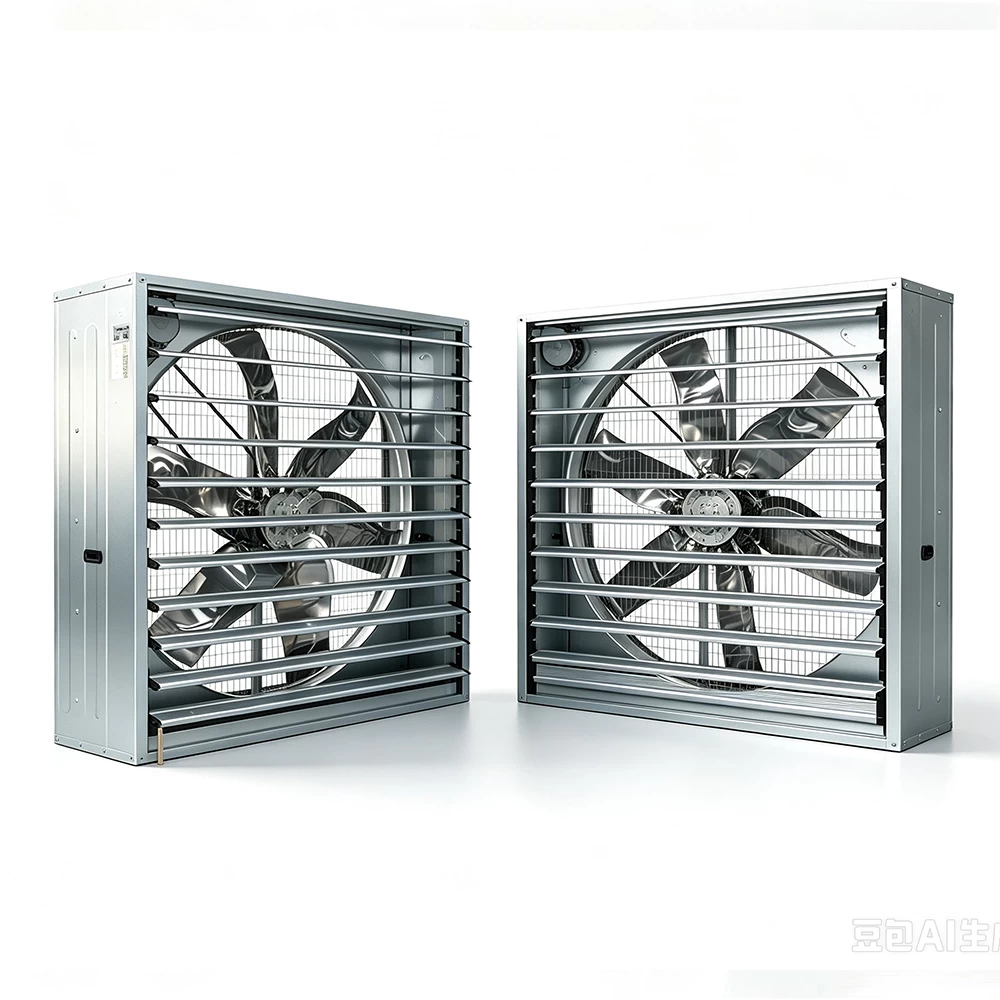
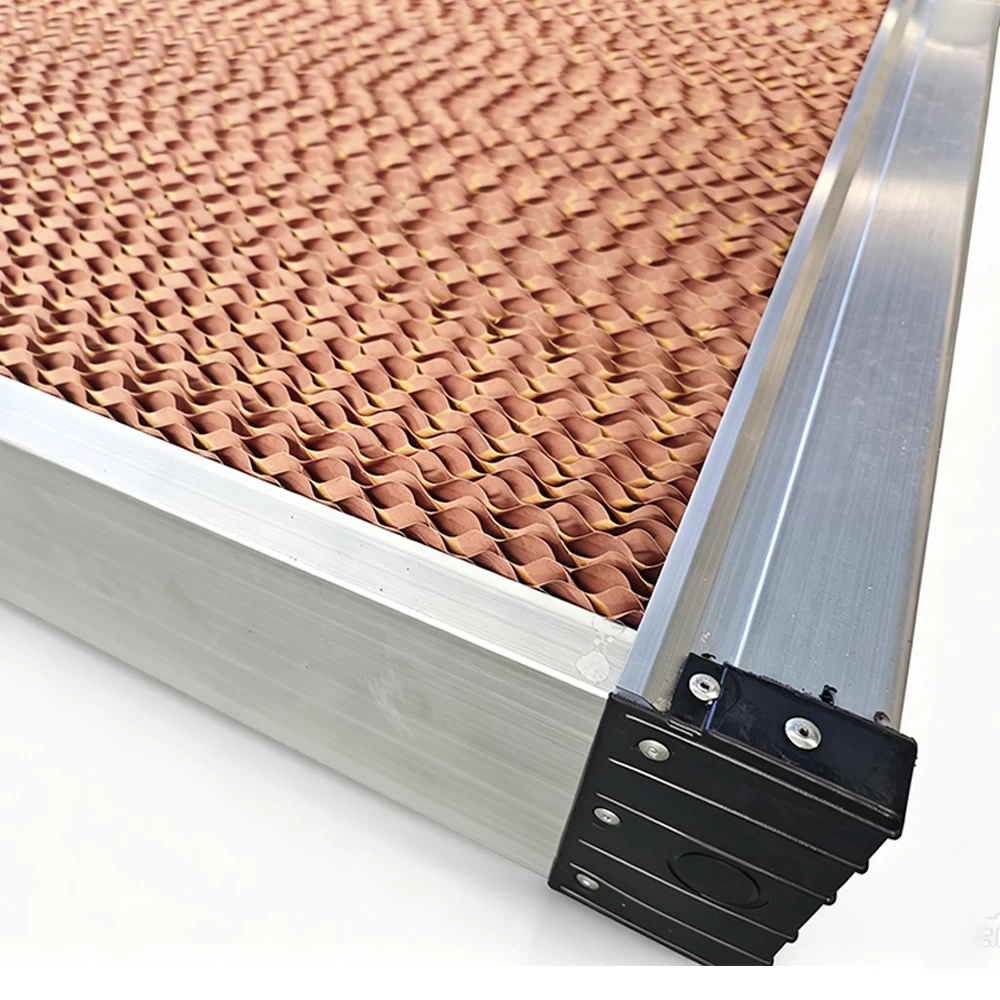
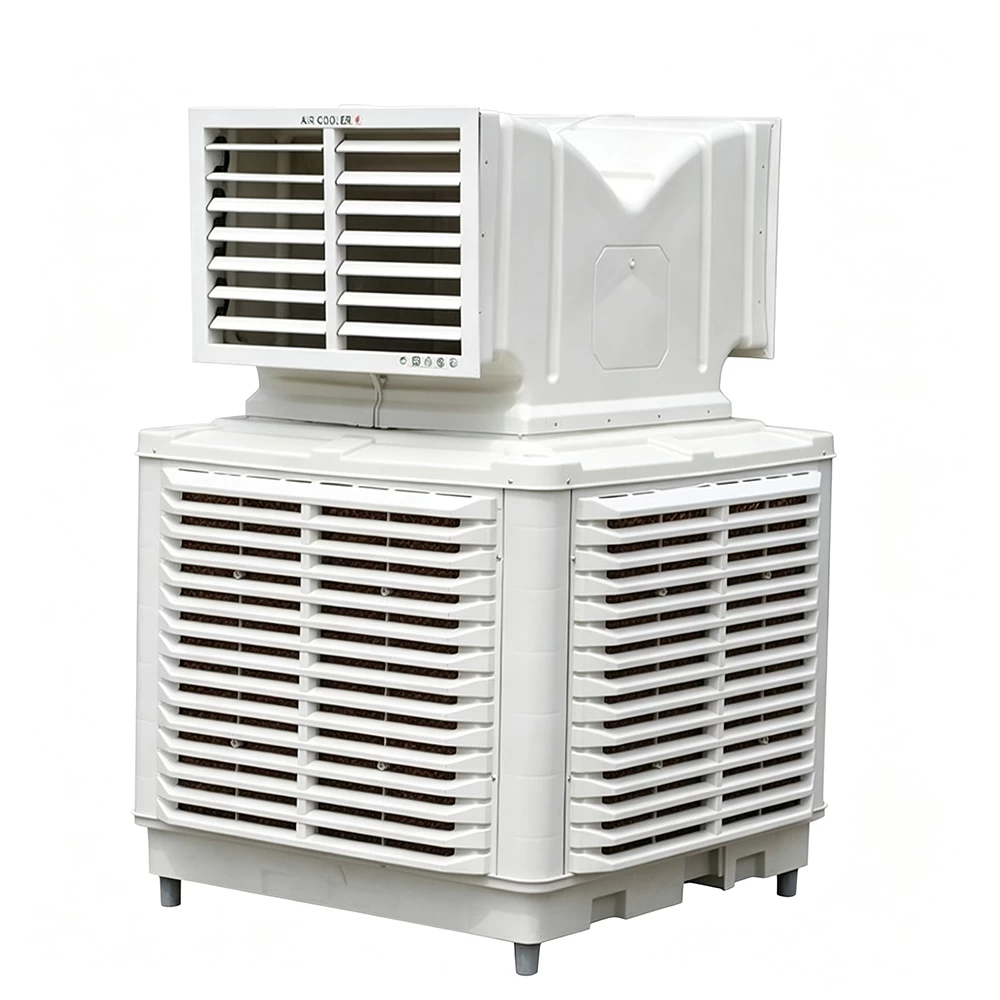
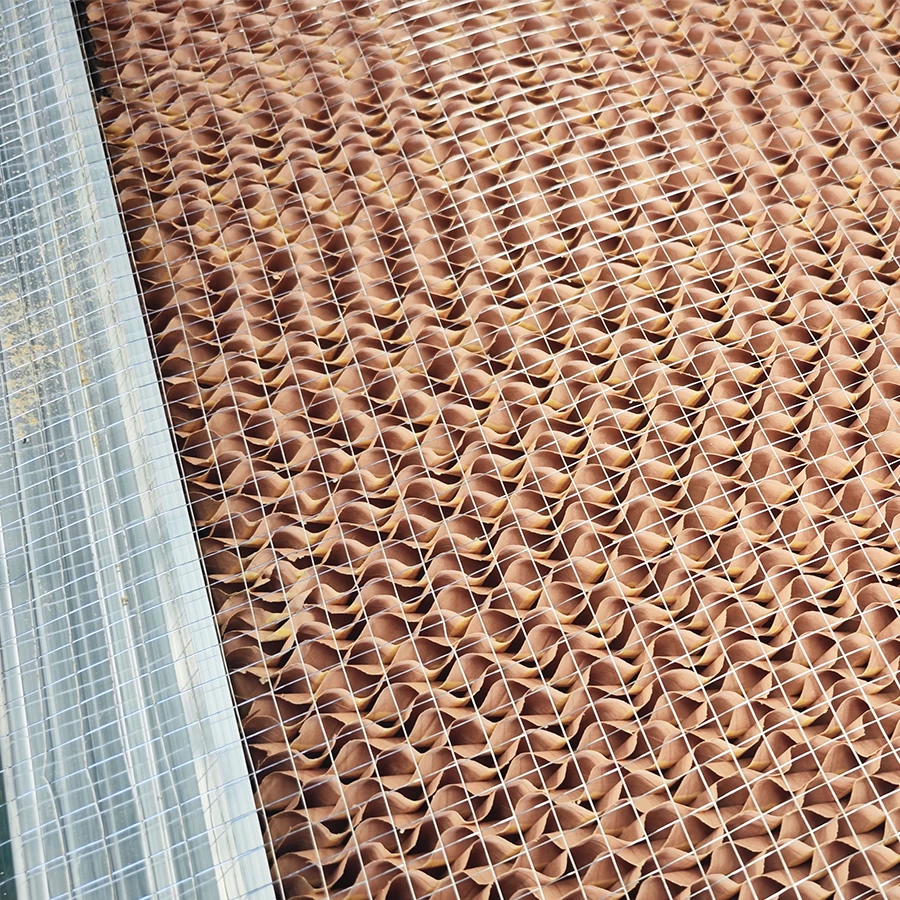
Many early-stage polyhouses relies on basic net shading, which fails during peak summer heatwaves. Transitioning to fan-and-pad evaporative cooling systems allows growers to lower internal temperatures by $8^\circ\text{C}$ to $12^\circ\text{C}$, enabling year-round production of premium crops.
Upgrading Structural Integrity & Corrosion Resistance
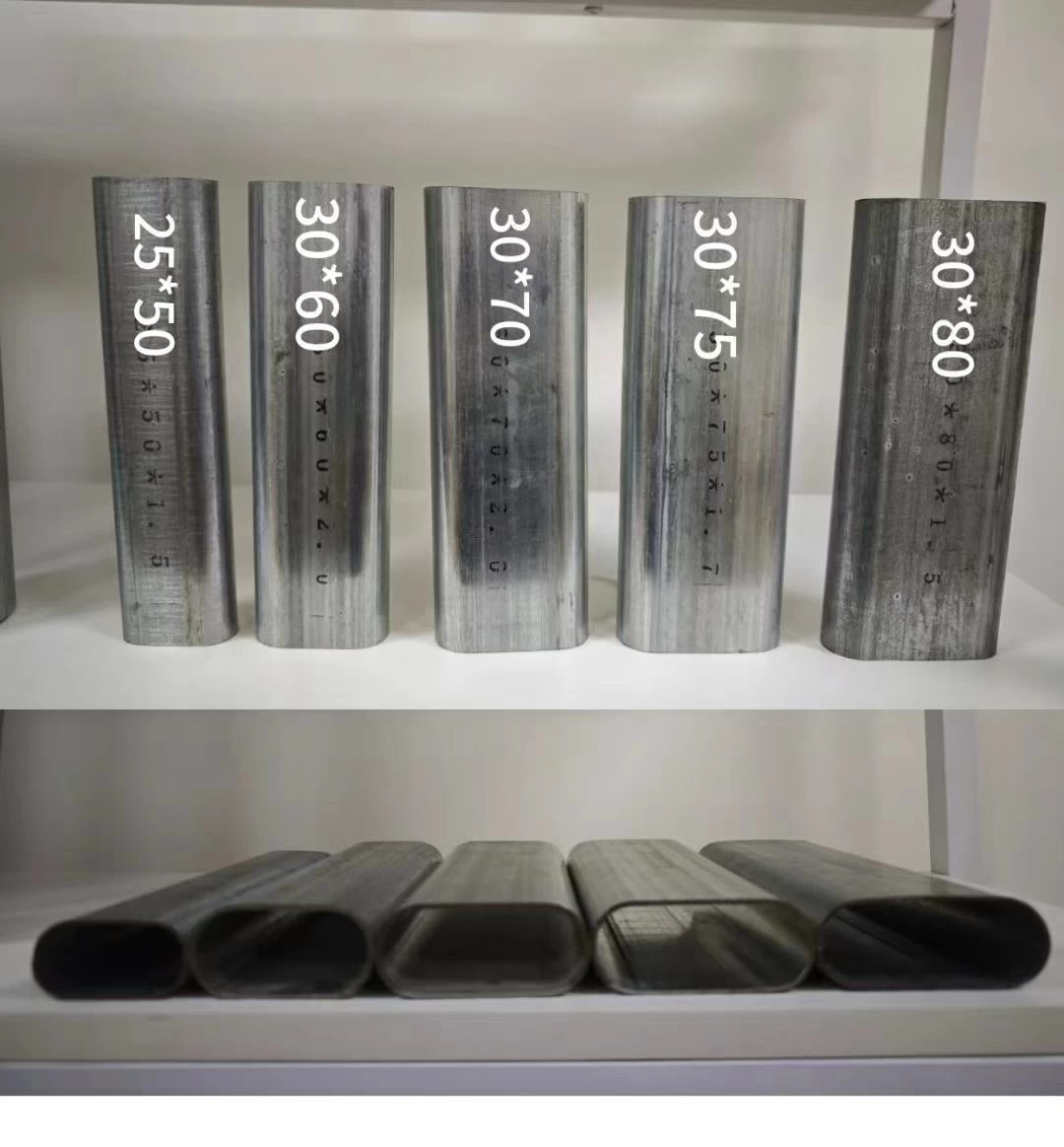
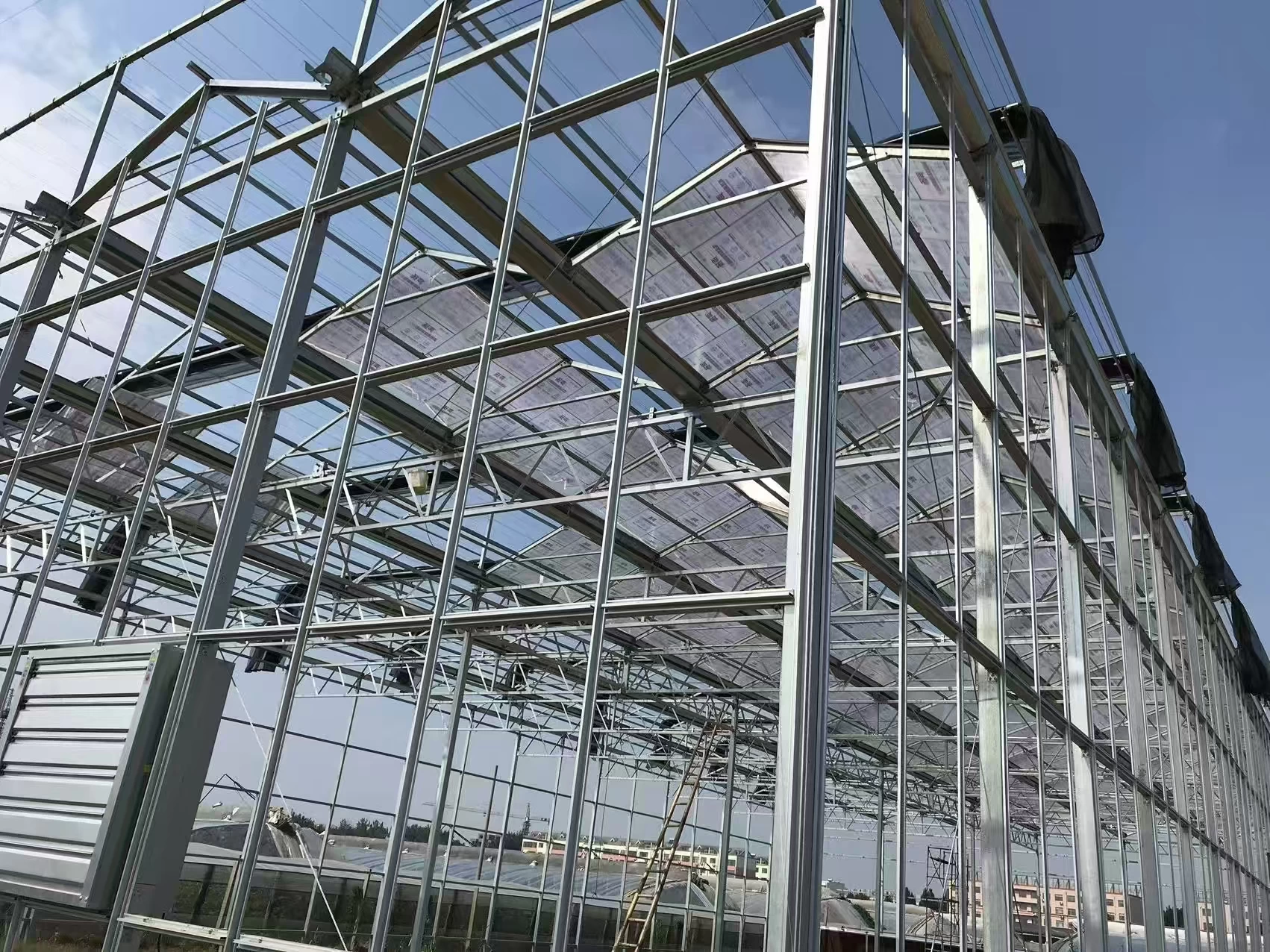
High humidity inside greenhouses—combined with aggressive tropical rains during the monsoon—causes cheap steel frameworks to rust rapidly. Modern projects require heavy-galvanized or zinc-coated tubular steel structures to extend structural lifespan.
Optimizing Energy & Water Efficiency
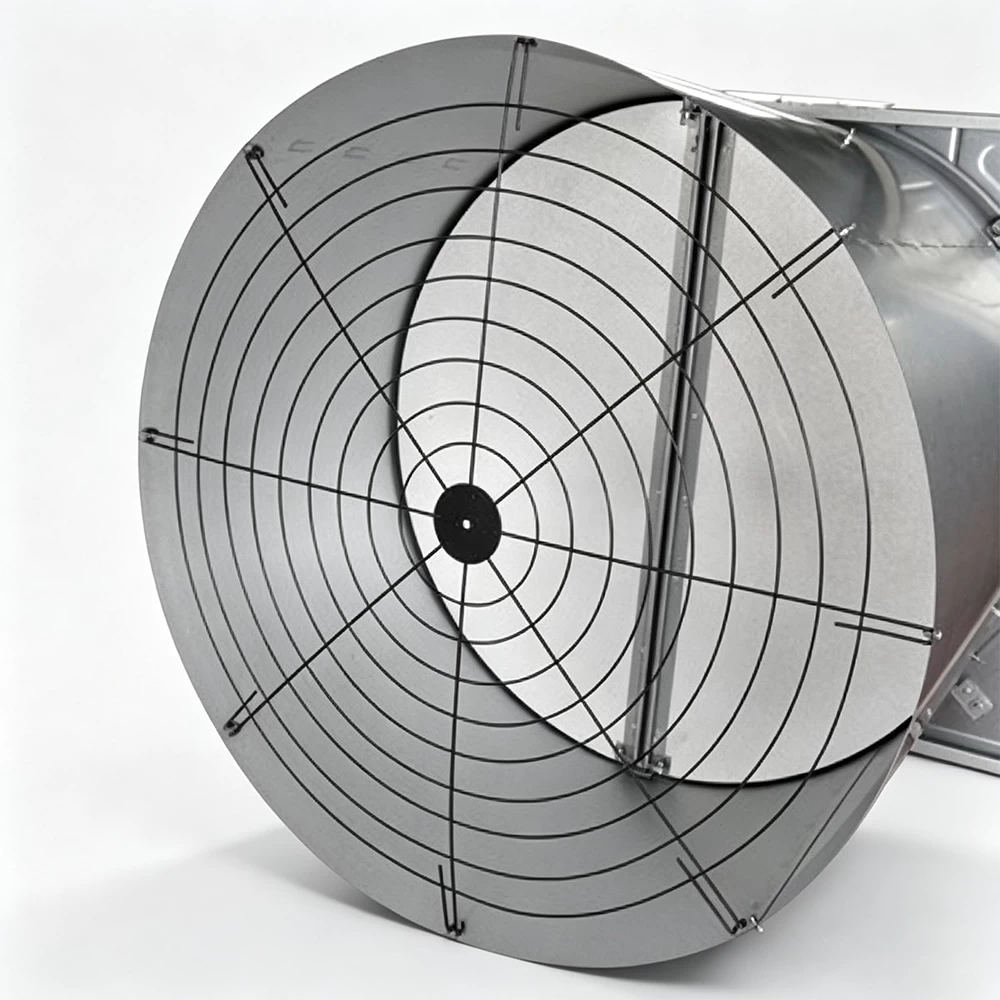
With rural grid power prone to fluctuations, greenhouse designs must prioritize low-air-resistance cellulose cooling pads and hydrodynamically efficient exhaust fans to lower kilowatt-hour requirements per ton of produce.
Capturing the 50% Subsidy Advantage
Under current MIDH and NHB guidelines, commercial growers, Farmer Producer Organizations (FPOs), and agri-entrepreneurs can claim financial backing covering 50% of eligible structural costs for polyhouses, fan-and-pad climate-controlled greenhouses, and shade-net houses.
By pairing these subsidies with durable structural steel, precision drip-fertigation, and high-efficiency evaporative cooling systems, growers can insulate their crops from extreme weather, cut water use by up to 80%, and secure 2x to 4x higher crop yields year-round.
The takeaway is clear: India’s push toward protected cultivation is no longer a luxury—it is a strategic necessity for sustainable farming. Investing in quality greenhouse infrastructure today bridges the gap between policy support and long-term agricultural profitability.