
EMERGENCY ACTION: Mitigate Poultry/Livestock Heat Stress Amid Sudden Temperature Spikes
Dear Farm Managers and Supervisors,
A sudden, extreme weather pattern is currently causing temperatures to spike rapidly, posing an immediate threat of severe heat stress to our livestock and poultry. Animals cannot adjust to abrupt heat shocks naturally, which can lead to a sudden drop in feed intake, compromised immunity, respiratory distress, and high mortality rates.
Immediate, aggressive action regarding our ventilation and cooling systems is required to stabilize the house environment. Please enforce the following emergency protocols now:
1. Maximize Ventilation and Wind Speed
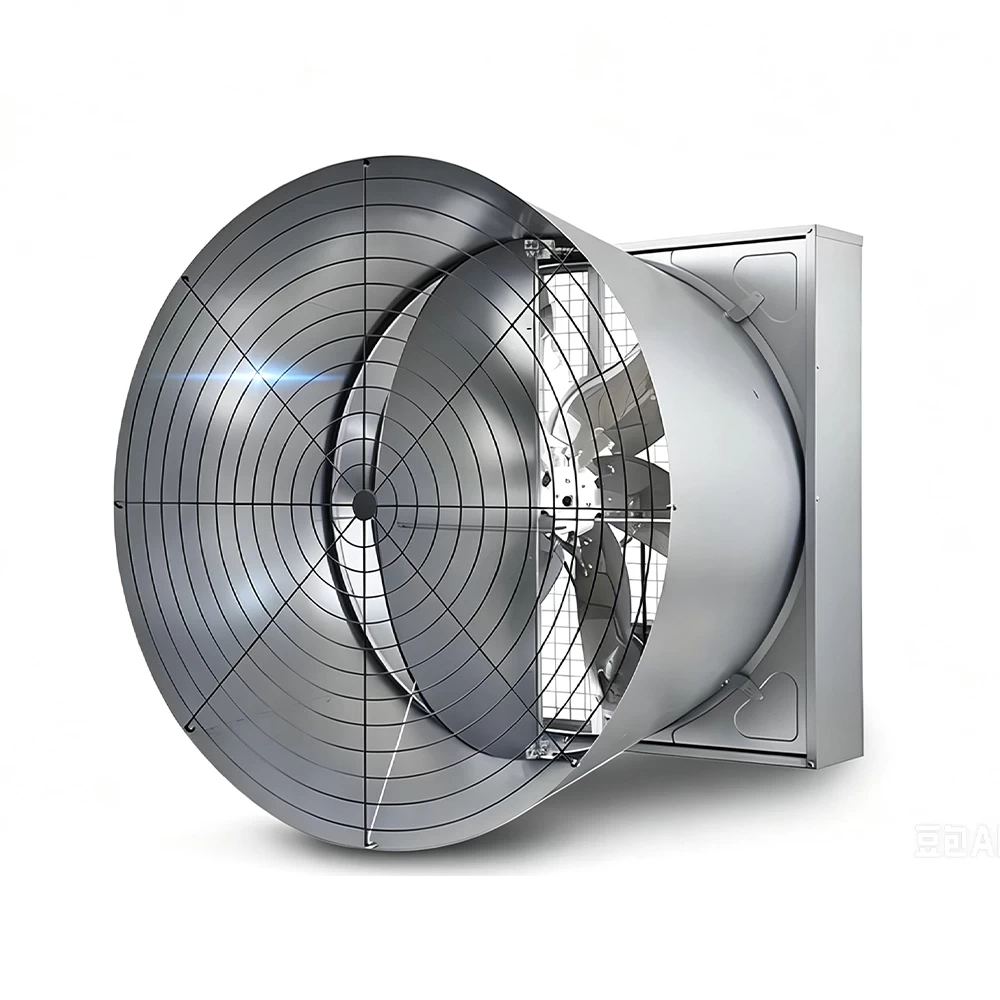
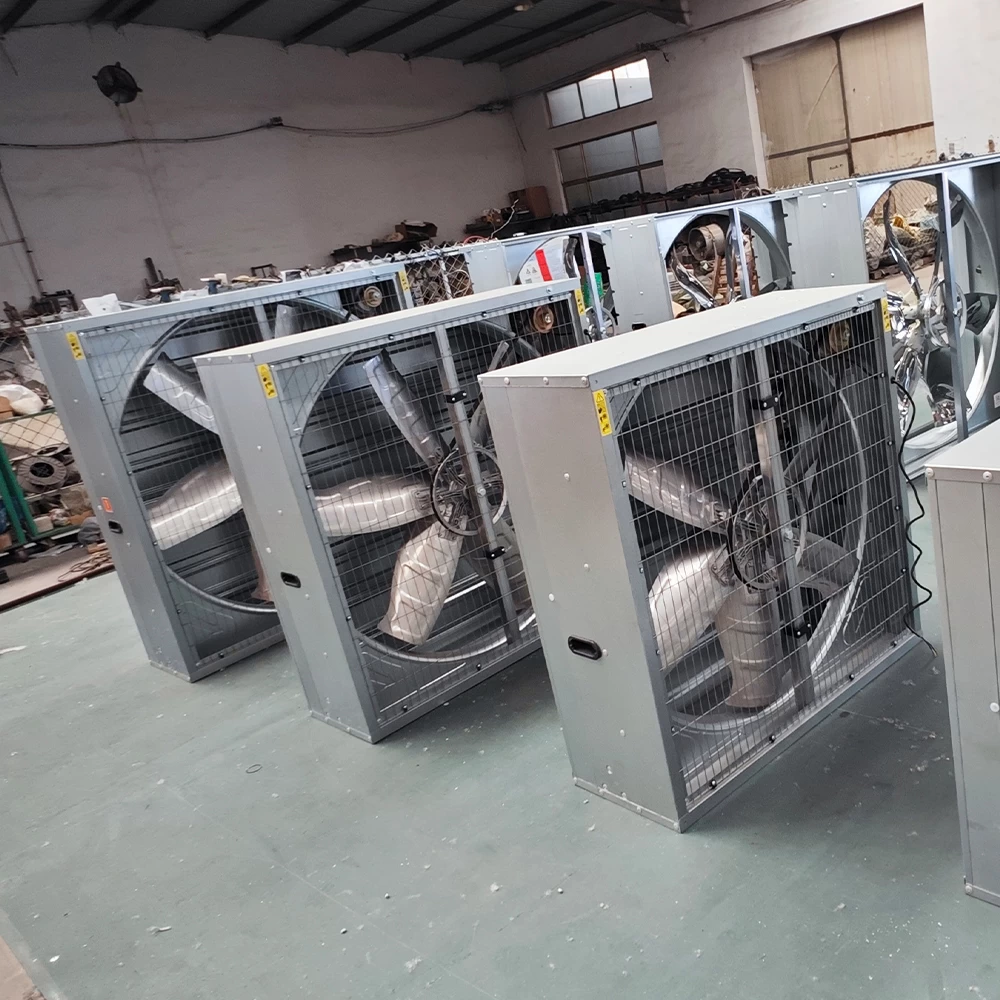
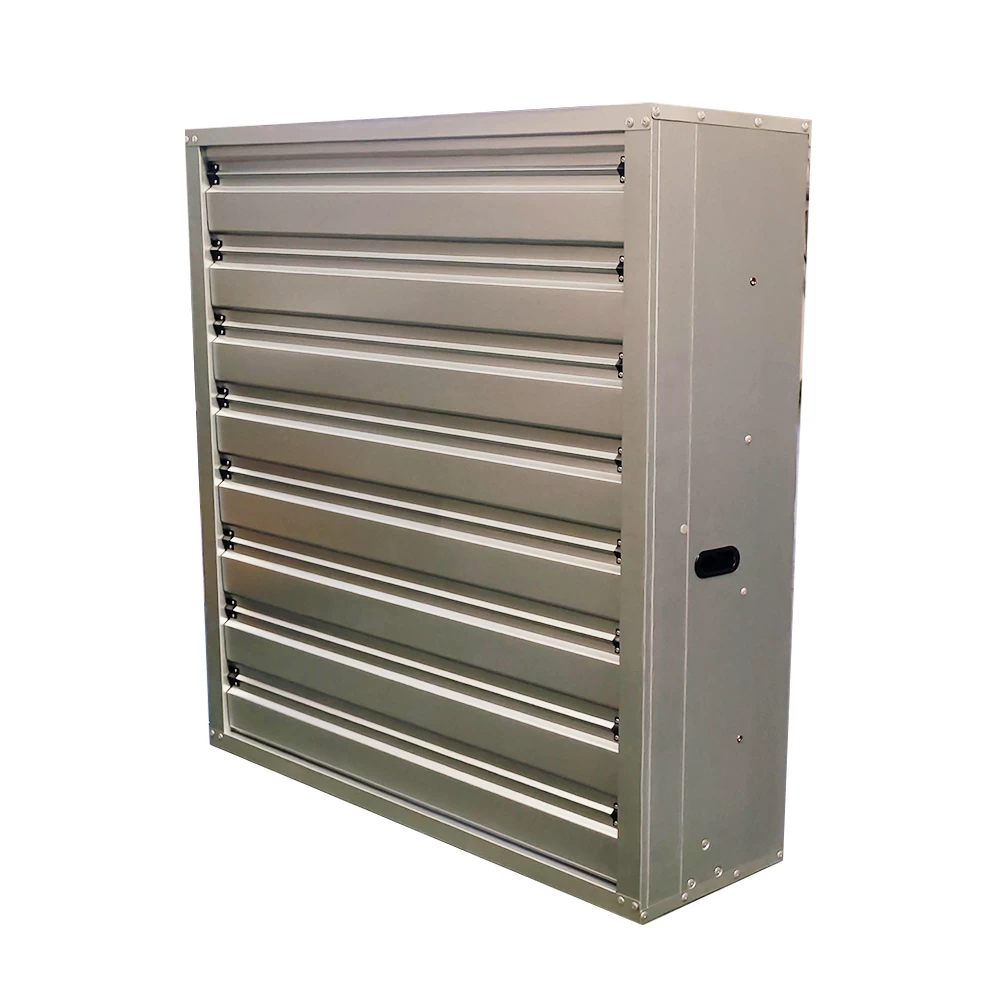
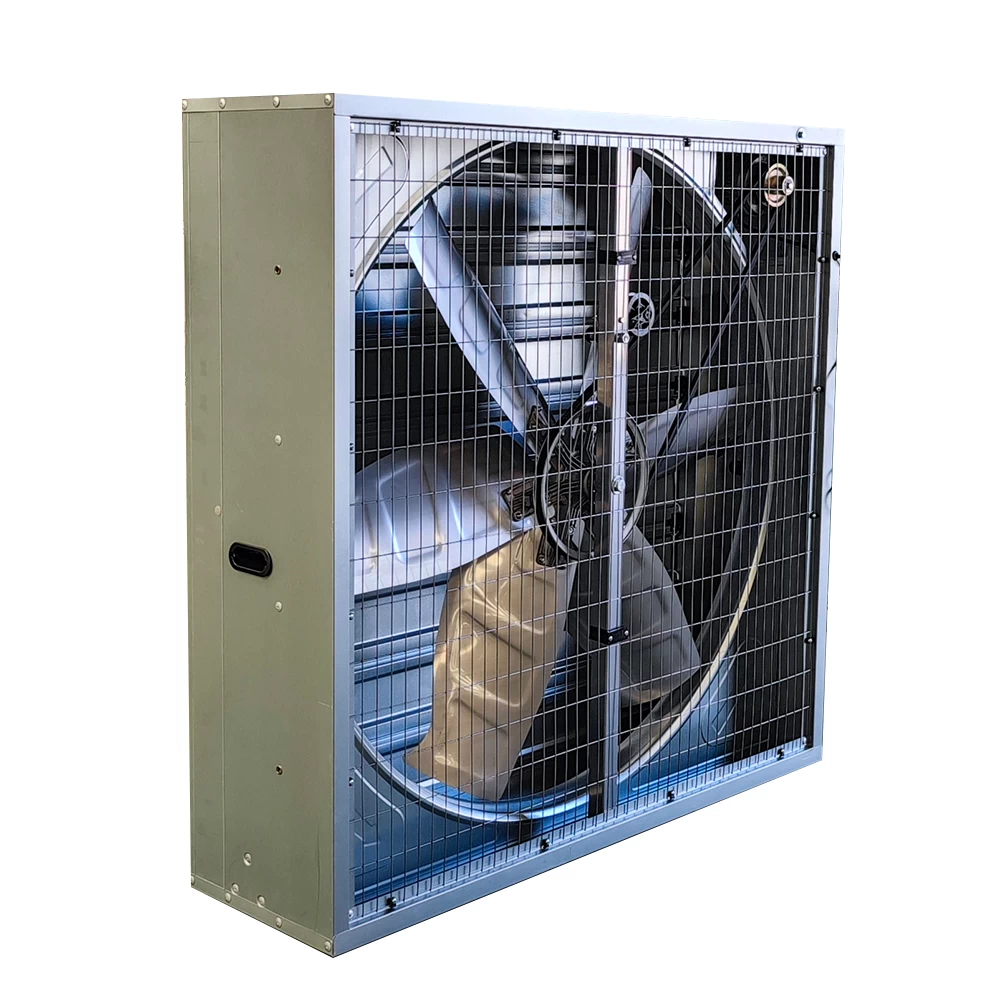
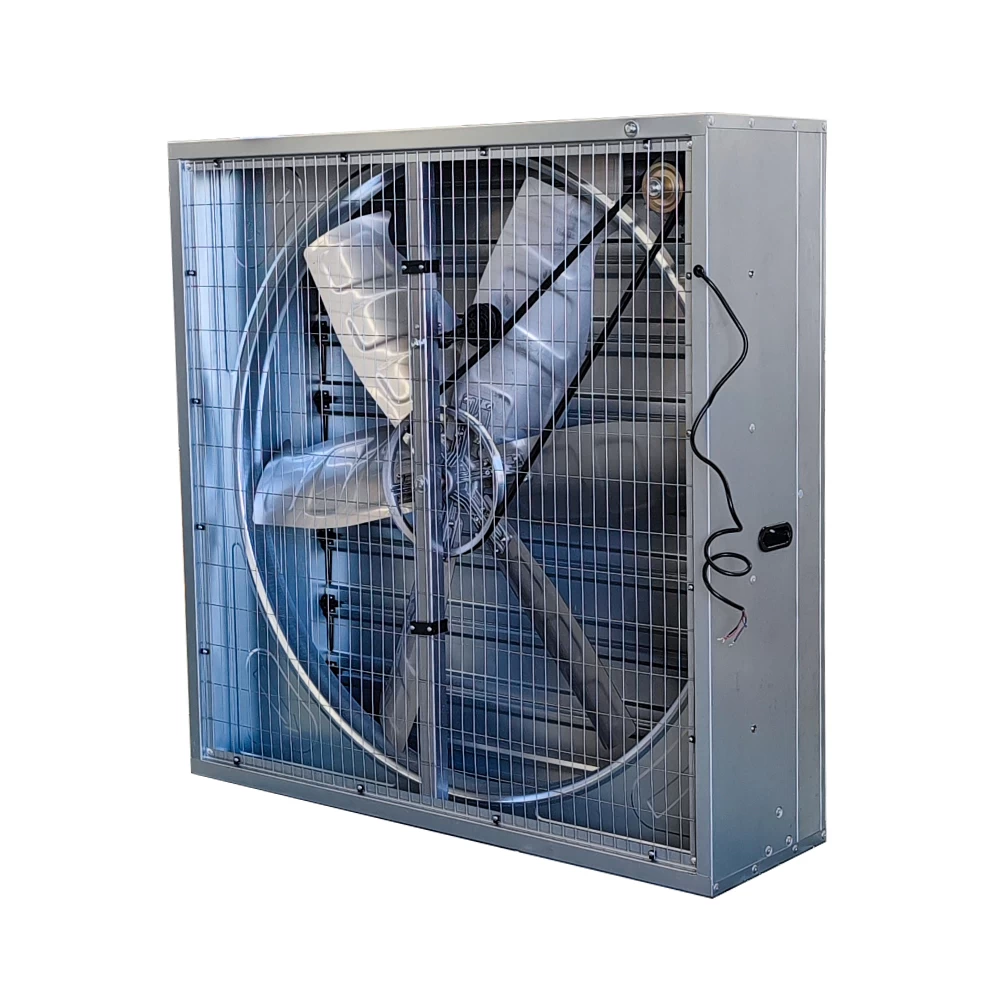
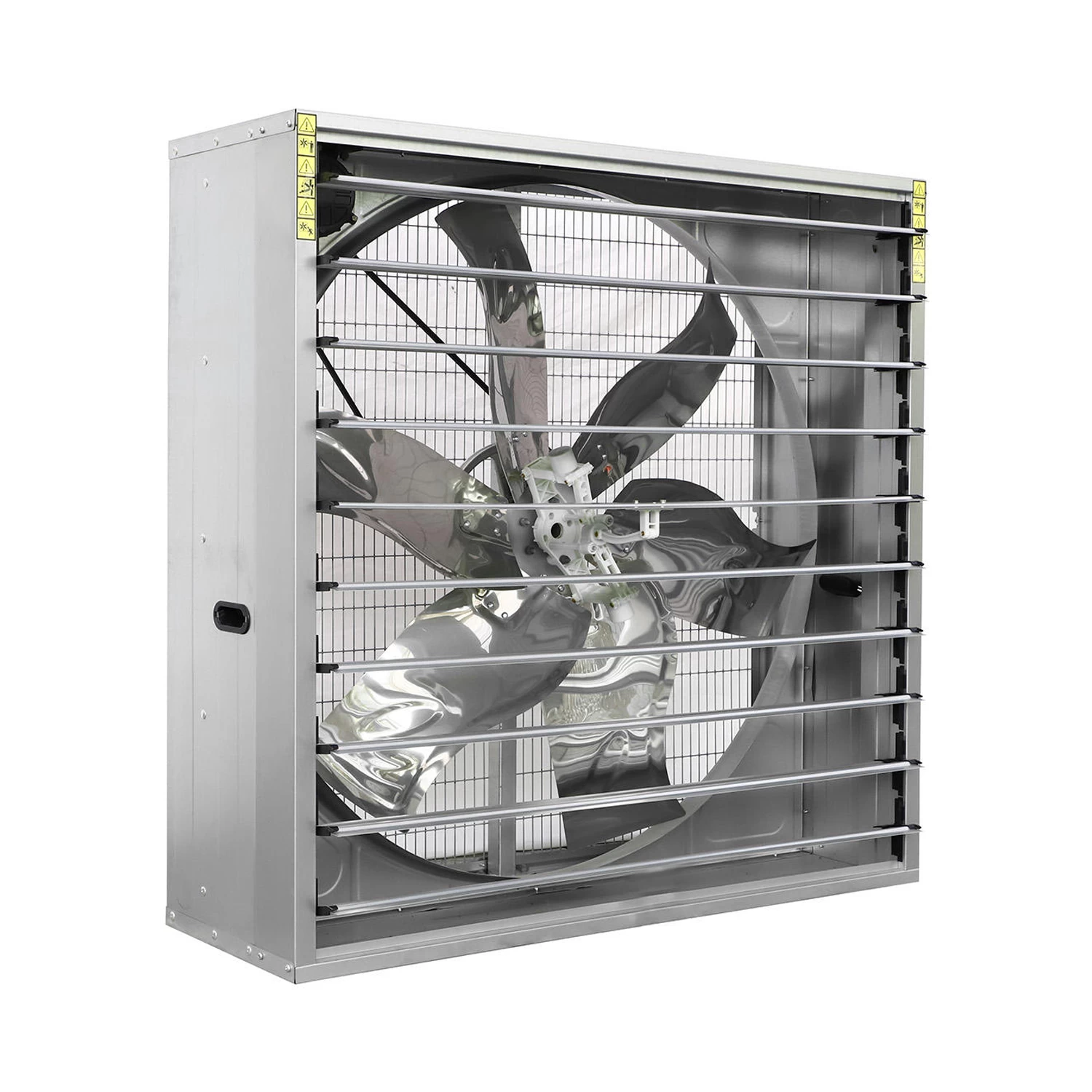
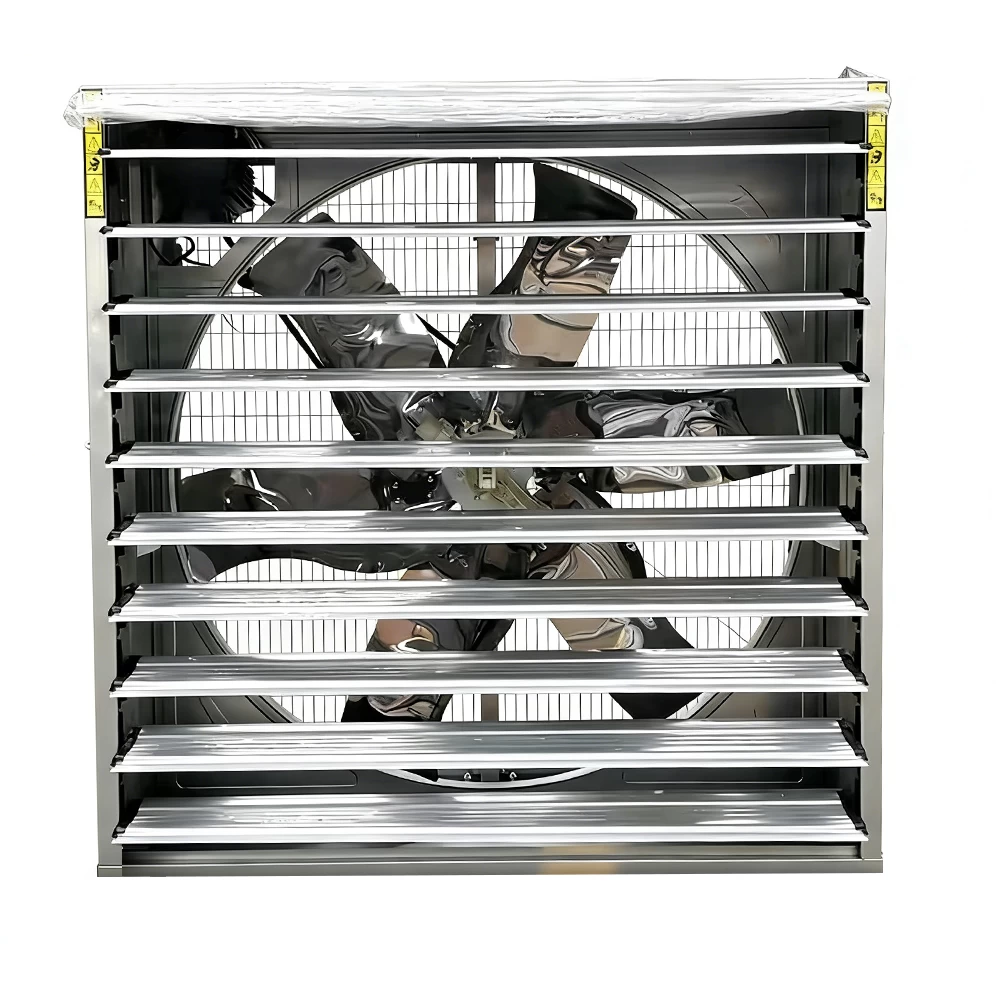
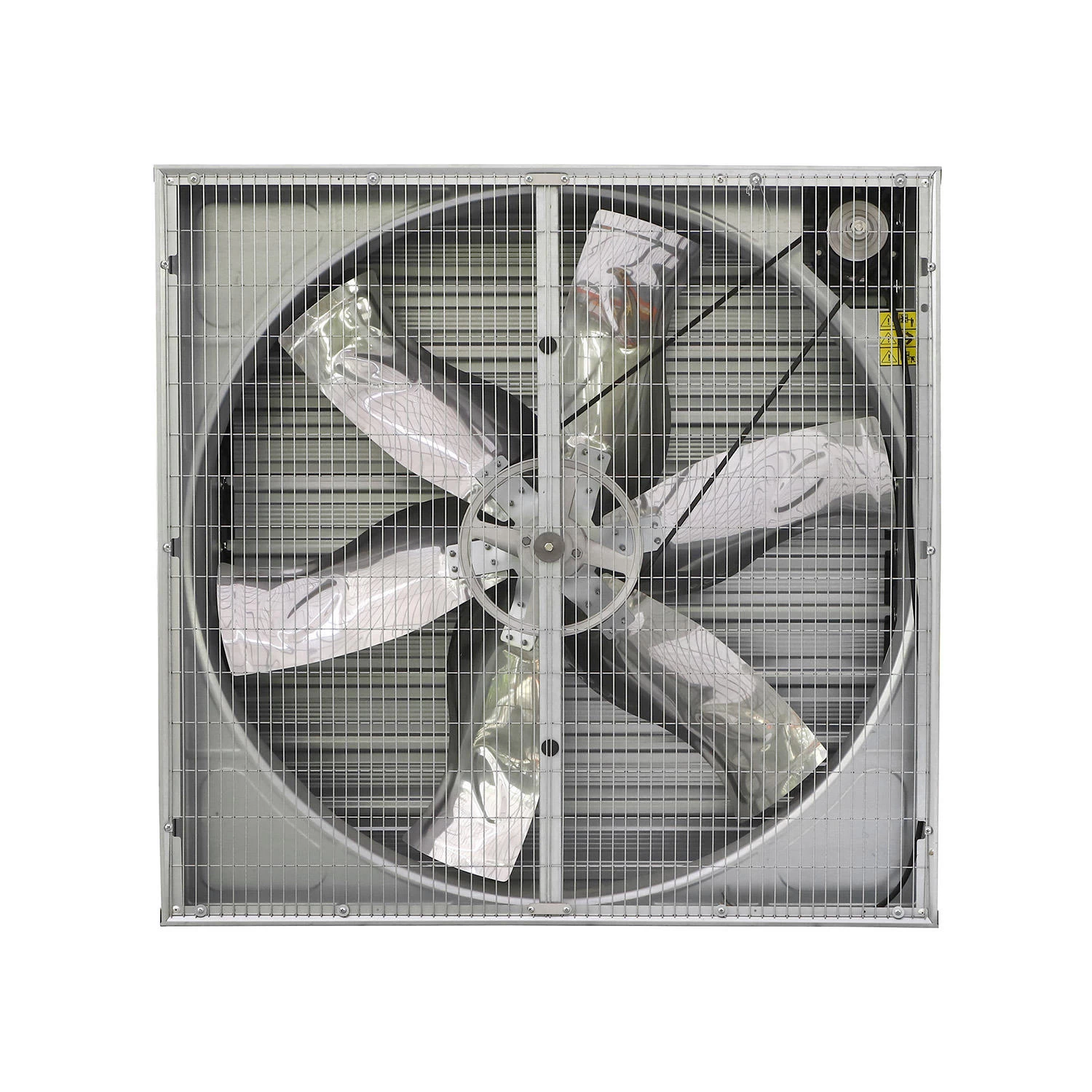
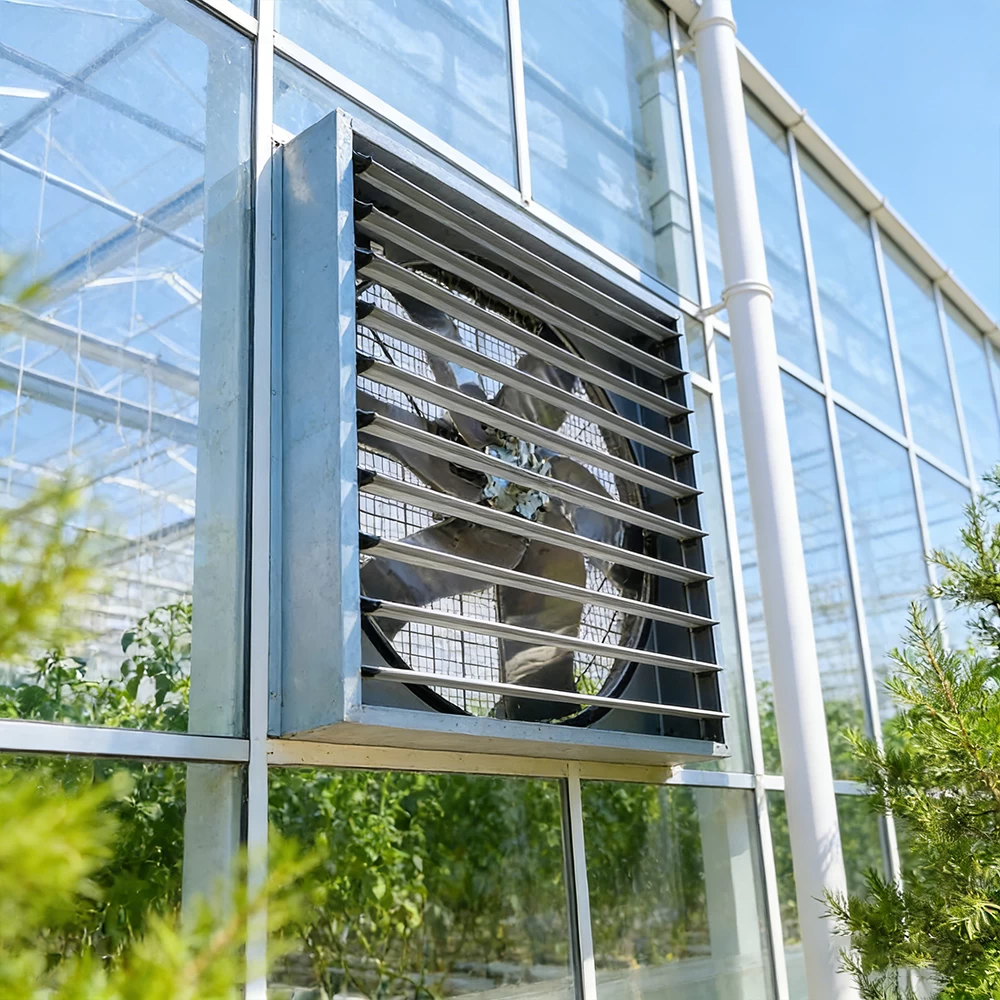
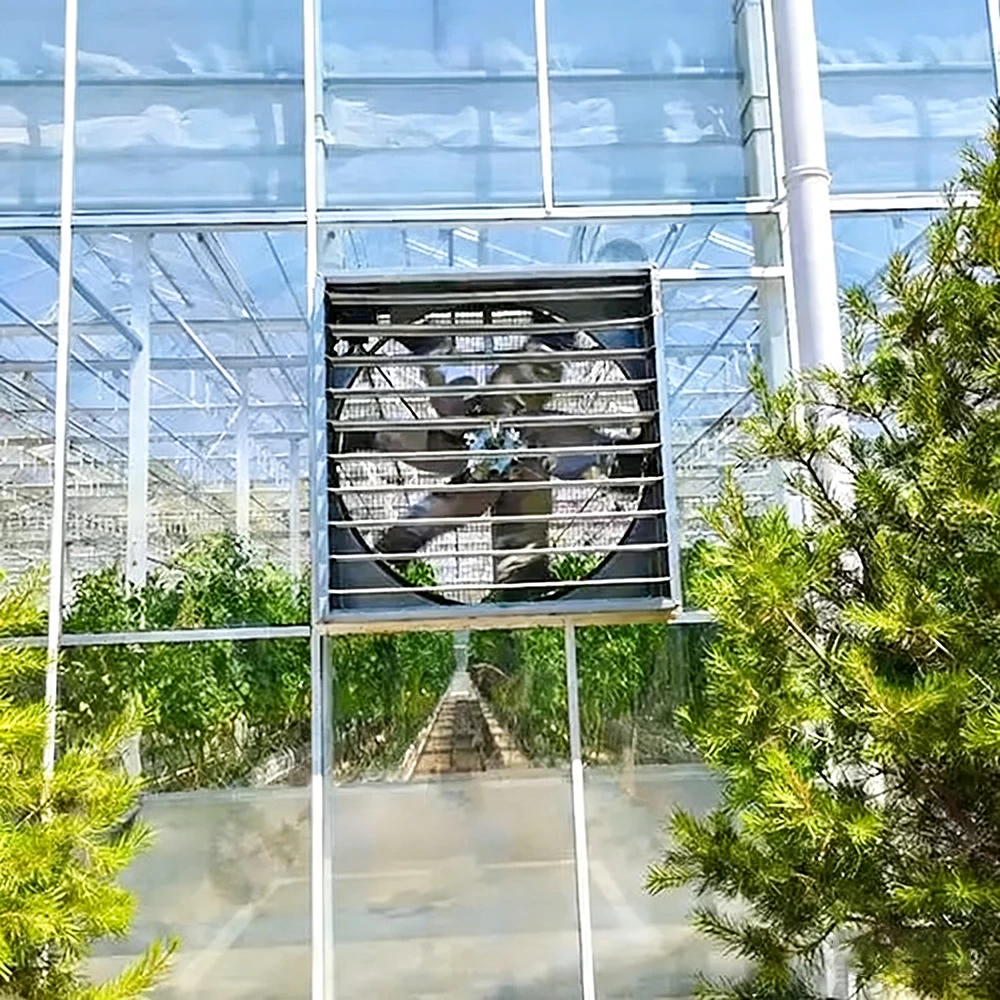
- Switch to Full Tunnel Ventilation: Ensure all tunnel fans are operational to maximize airflow.
- Increase Wind Speed: Keep air moving across the animals at target velocity (e.g., 2.5–3.0 m/s for mature poultry) to create a wind-chill effect, lowering their perceived temperature.
- Check Static Pressure: Monitor and adjust air inlets to prevent negative pressure suffocating the house, ensuring uniform air distribution.
2. Deploy Cooling Systems Strategicially
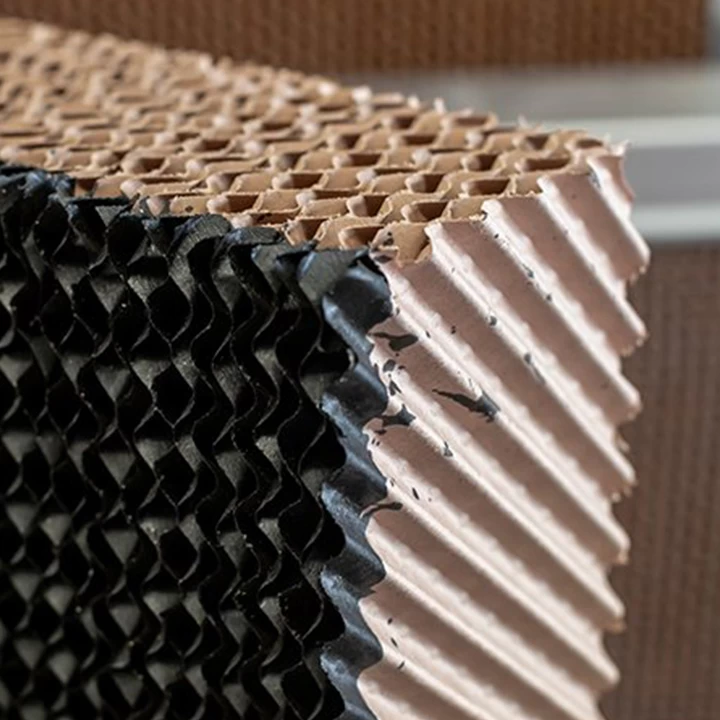
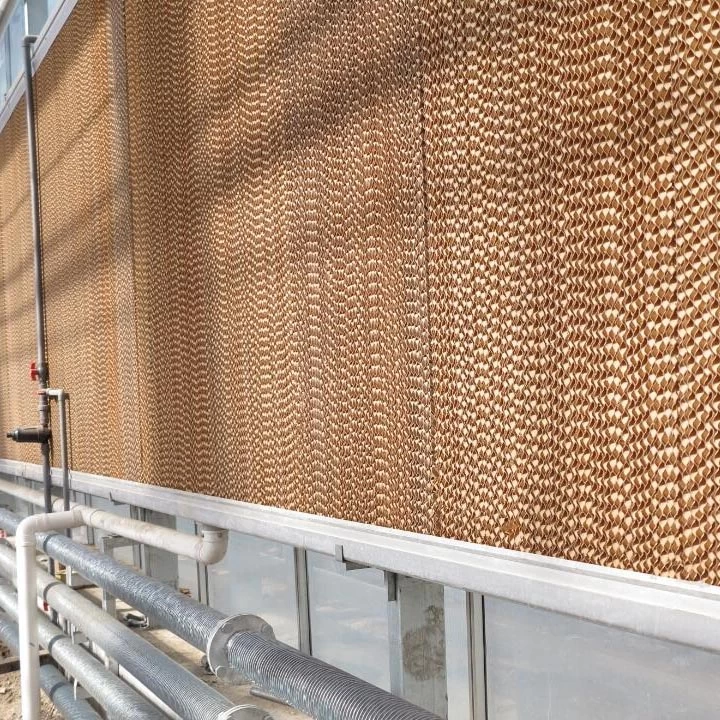
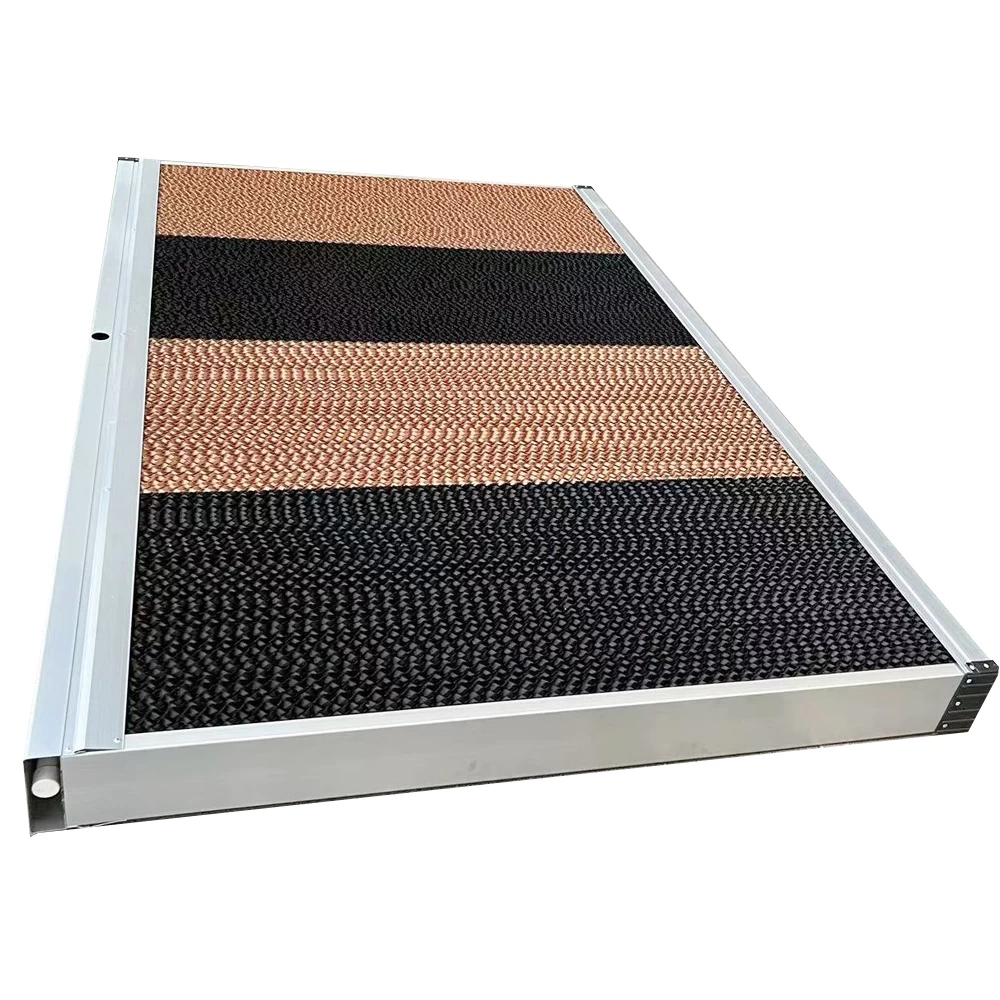
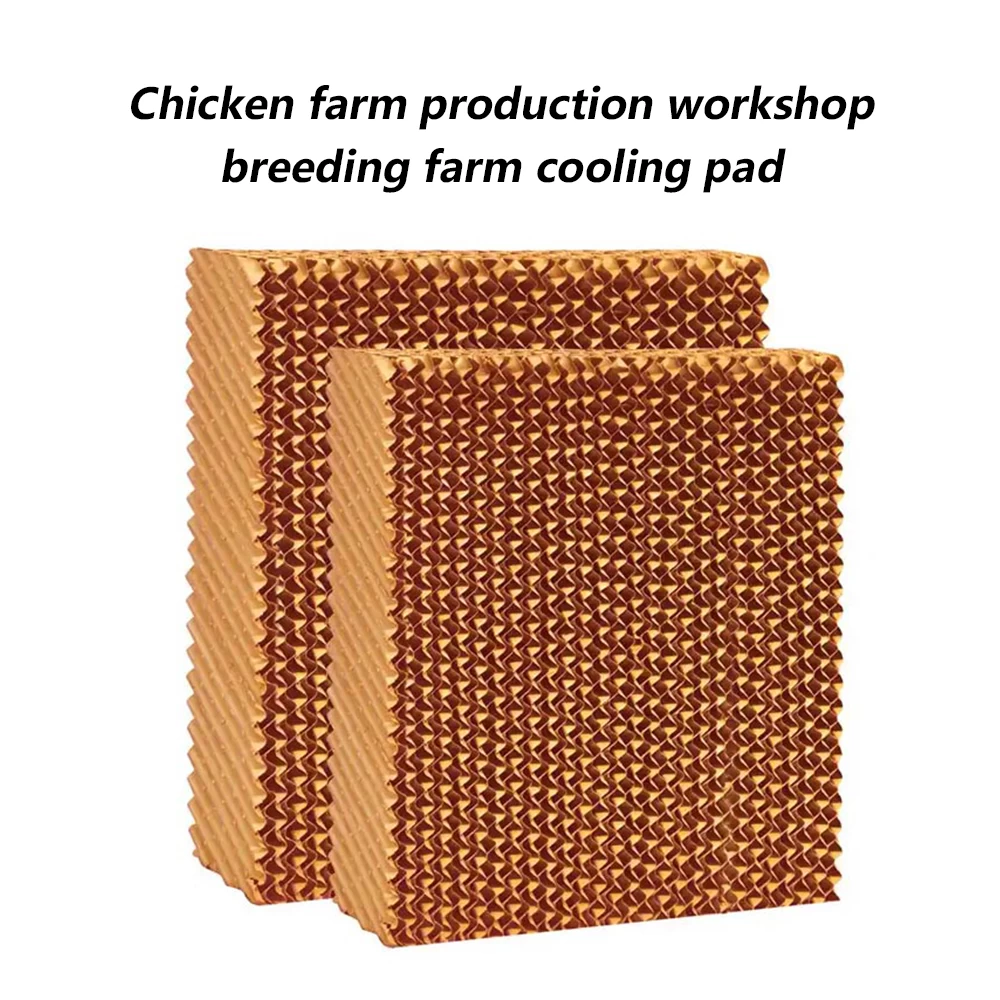
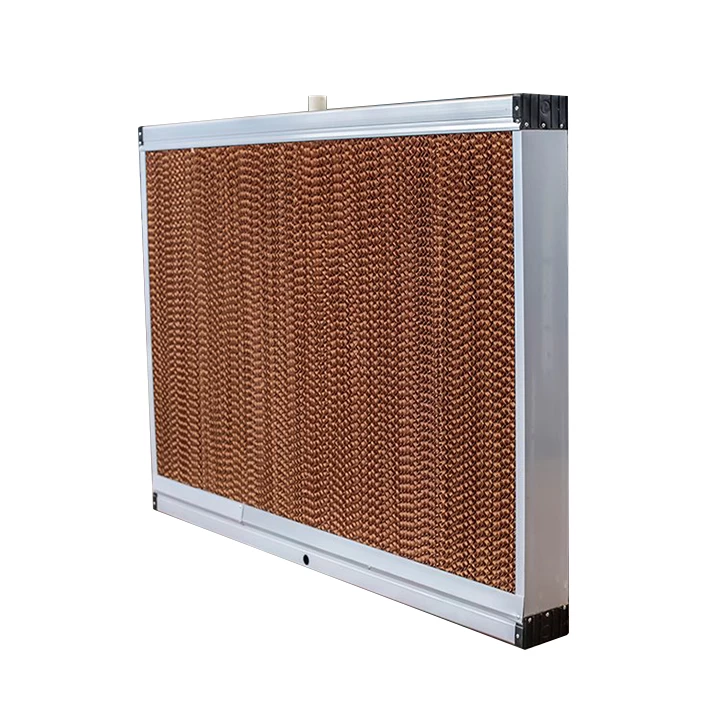
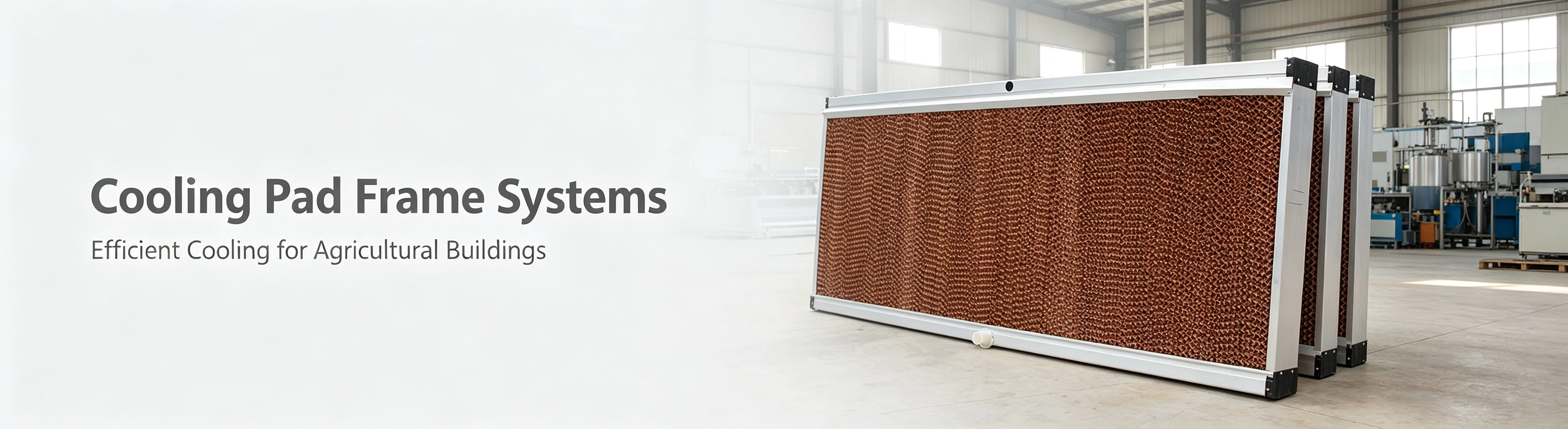
- Activate Cooling Pads: Turn on evaporative cooling pad systems. Clean any clogged filters immediately to ensure efficient water distribution and airflow.
- Utilize Misting/Fogging Lines: In houses without cooling pads, run high-pressure fogging systems intermittently. Avoid continuous spraying if the relative humidity exceeds 75–80%, as high humidity blocks the animals' ability to pant and panting is their primary heat-loss mechanism.
3. Ensure Uninterrupted Water Supply
- Flush Water Lines: Flush the water lines frequently to ensure animals have access to cool drinking water (ideally below 25°C / 77°F). Warm water inside pipes reduces water consumption.
- Electrolyte Supplementation: Immediately add electrolytes, Vitamin C, and sodium bicarbonate to the drinking water to maintain cellular fluid balance and combat metabolic acidosis caused by heavy panting.
4. Operational and Herd Adjustments
- Delay Feeding: Postpone feeding during the hottest peak hours of the day. Digestion generates substantial metabolic heat, which worsens heat stress. Feed early in the morning or late at night.
- Minimize Disturbance: Avoid moving, weighing, or vaccinating the animals during peak temperatures.
- Backup Power Readiness: Test your backup generators immediately. A power failure during a heat wave can cause catastrophic losses within minutes.
Please conduct an immediate walkthrough of all animal houses to verify equipment functionality. Monitor animal behavior closely—signs of heavy panting, wing-spreading, or crowding near inlets indicate acute stress that needs immediate correction.
Stay vigilant and prioritize flock/herd comfort today.