

 |
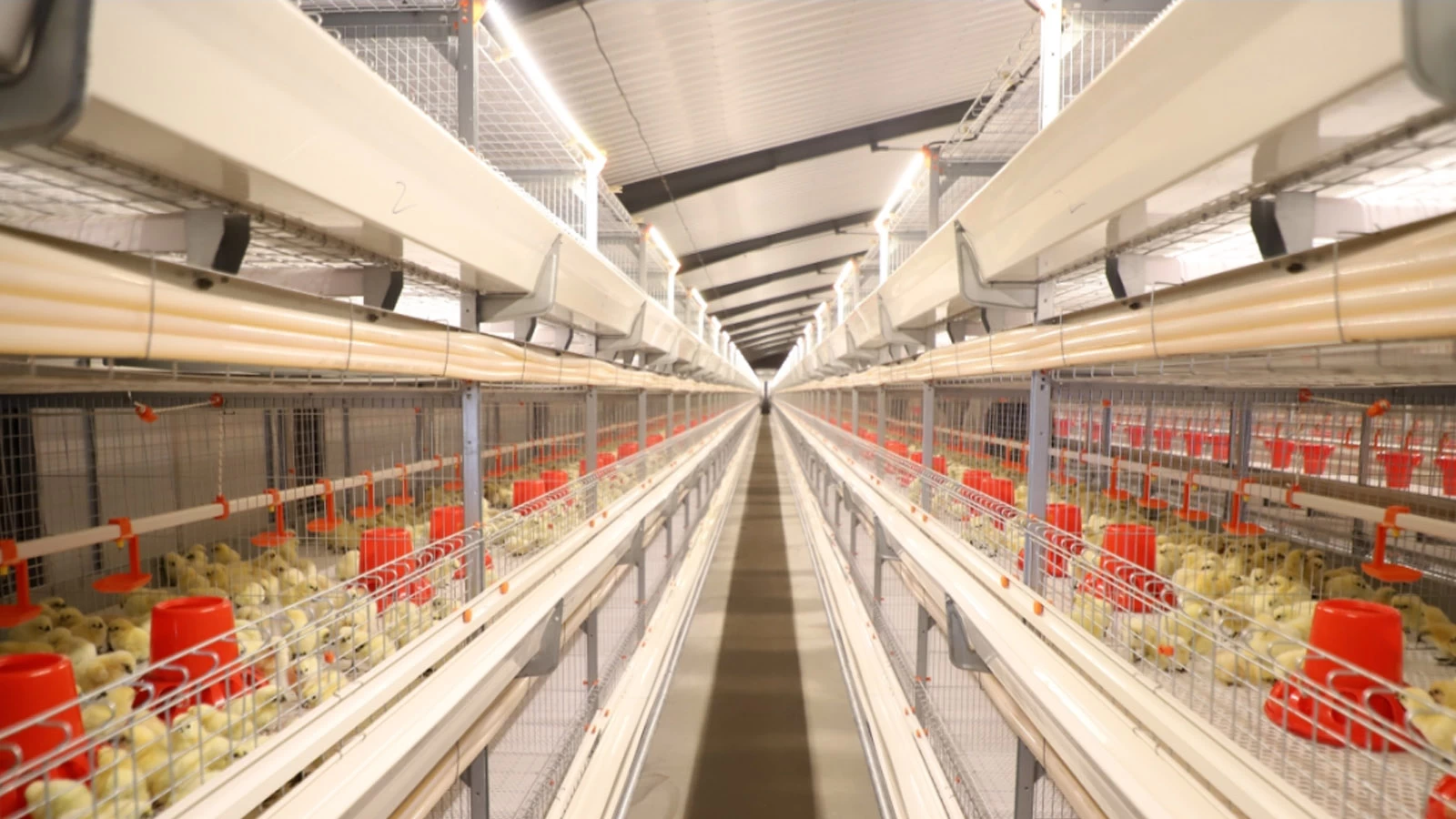
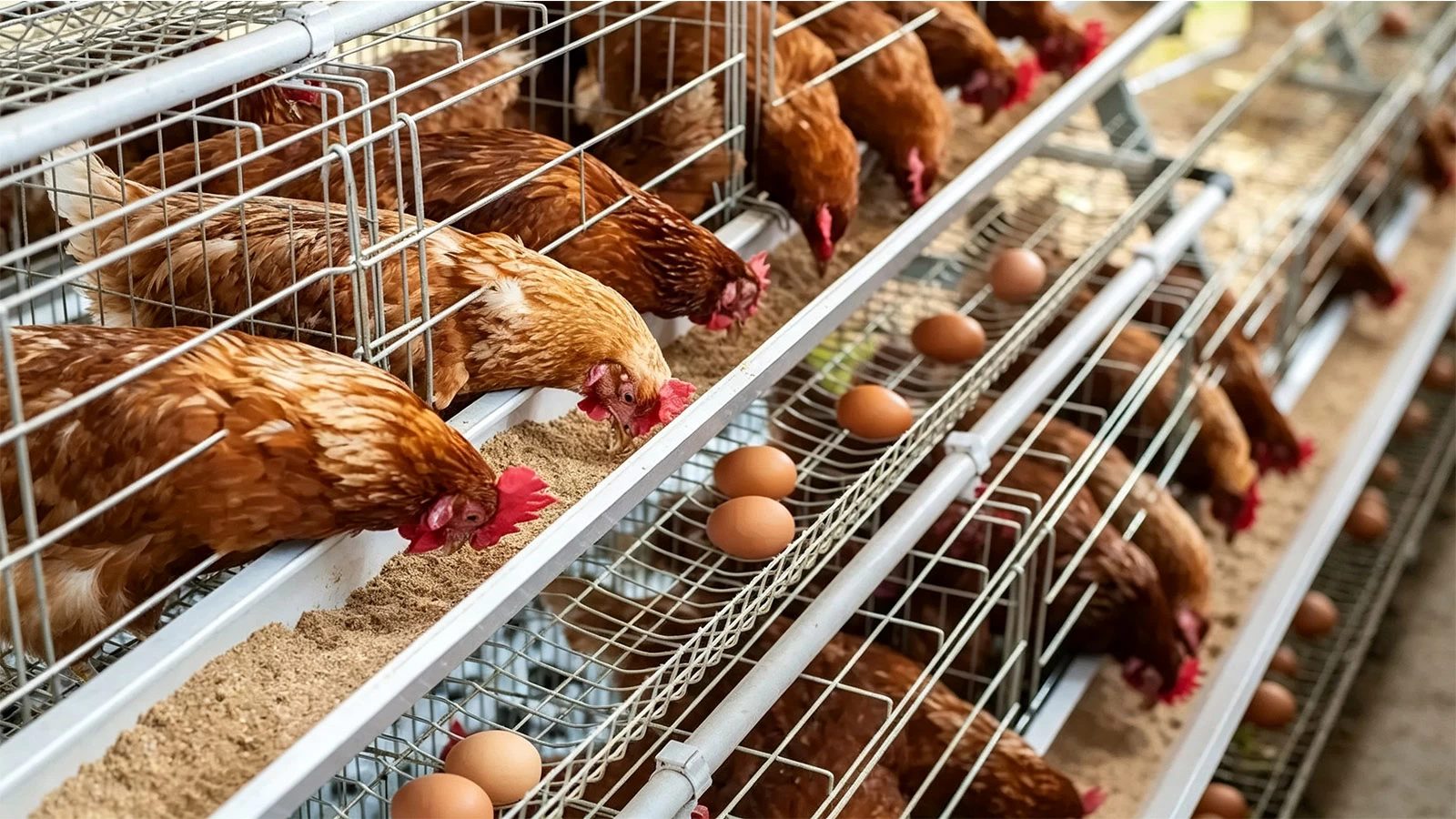
Modern livestock farming highly relies on stable and scientific environmental control. As the core ventilation and cooling equipment for farms, livestock exhaust fans act as the “respiratory system” of poultry and livestock houses, maintaining a healthy and comfortable breeding environment.
The fan operates based on the negative pressure ventilation principle. When running, it quickly discharges hot, humid and polluted indoor air containing ammonia and carbon dioxide to form a negative pressure area. Fresh outdoor air then enters the house through cooling pads and air inlets, forming continuous and uniform air circulation. This scientific air exchange system stabilizes the indoor temperature fluctuation within ±2℃ and keeps relative humidity at 50%-70%, effectively reducing respiratory diseases caused by stale air and temperature and humidity imbalance.
Upgraded modern livestock fans bring three major improvements. First, optimized motors and louver structures reduce energy consumption by 30% compared with traditional models while ensuring high airflow. Second, anti-corrosion materials and professional rust-proof treatment adapt to high-humidity farm environments, extending the service life to 8-10 years. Third, balanced impeller design lowers operating noise below 65dB, avoiding disturbing livestock growth and effectively improving feeding intake and survival rate of young animals.