
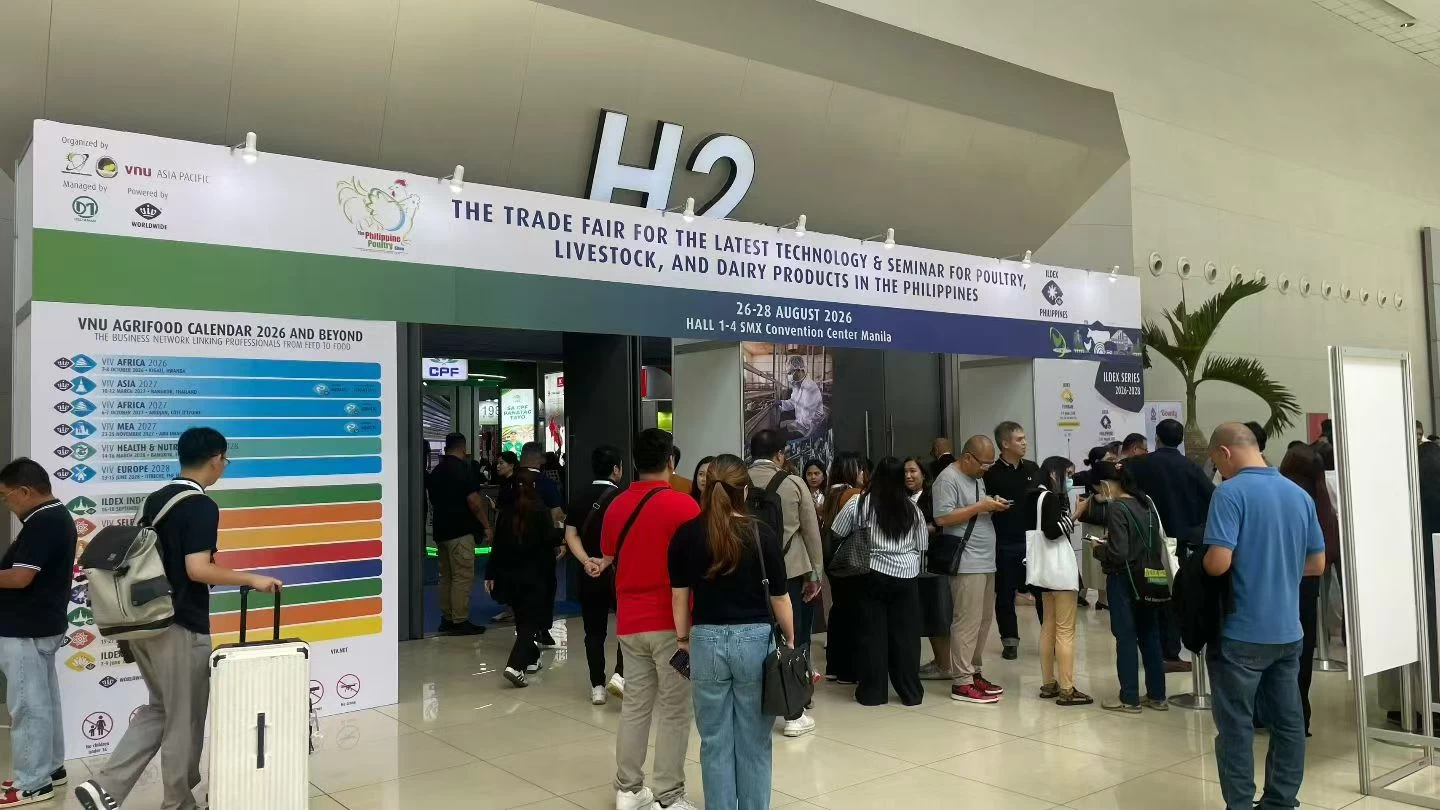
For global agribusinesses looking to expand across Southeast Asia, the Philippines presents a dynamic market undergoing a rapid transition toward modernization, biosecurity, and efficiency.
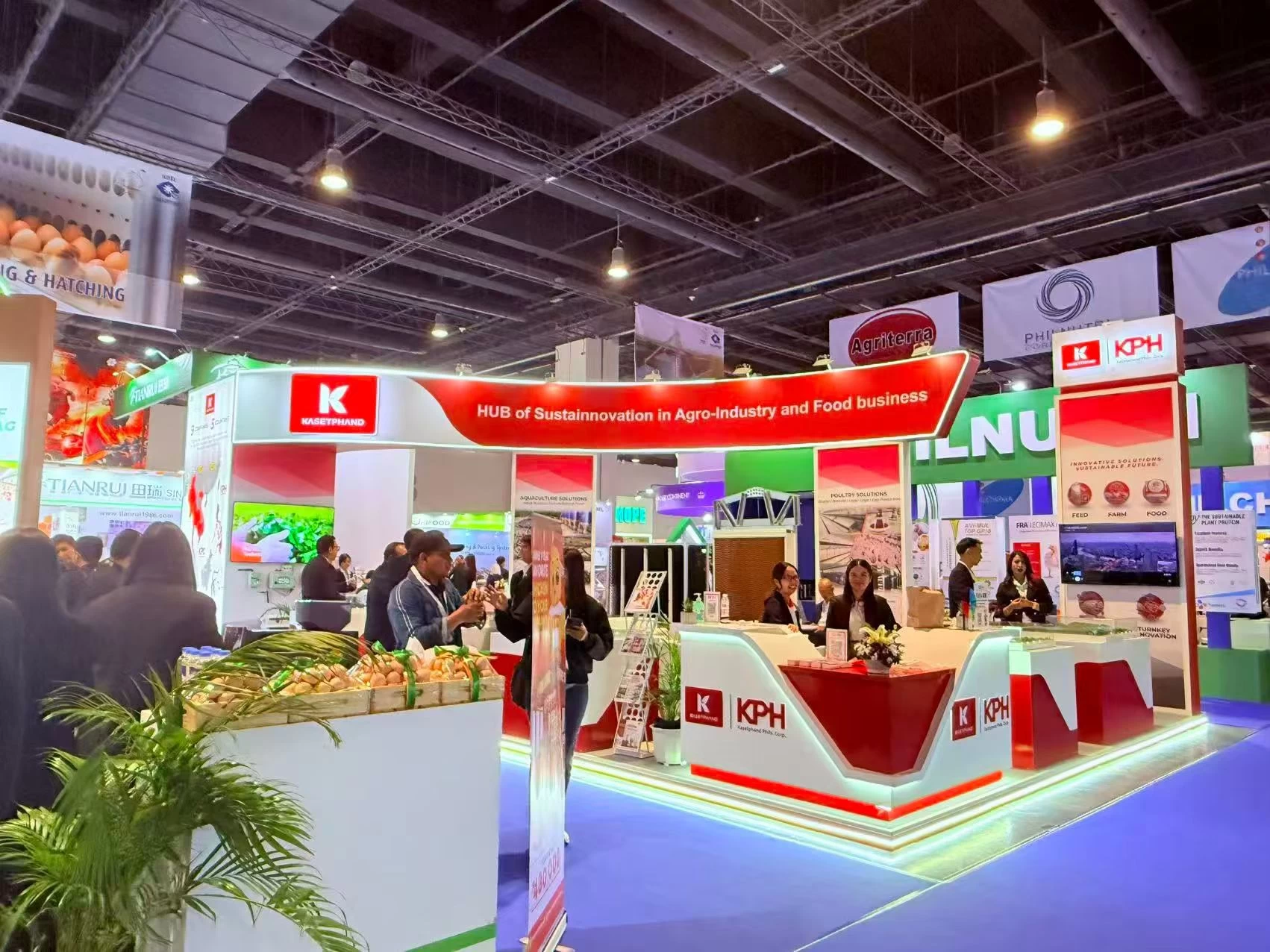
Key Trends & Market Dynamics in the Philippines
1. Poultry Sector: High Demand Meets Cost Pressures
Market Status: Poultry and eggs remain the primary, most affordable sources of animal protein for the Philippine population. Consumer demand continues to grow alongside urbanization and a booming foodservice industry.
Core Challenges: Local integrators and farmers face steep operational costs driven by a heavy reliance on imported feed ingredients (like corn and soybean meal). Additionally, heat stress in tropical climates continues to challenge layer productivity and feed conversion ratios (FCR).
2. Swine Industry: Rebuilding Through Biosecurity
Market Status: Following the devastating impact of African Swine Fever (ASF), the Philippine pork sector is in a crucial phase of recovery, supported by government repopulation initiatives and biosecurity protocols.
Core Challenges: The industry is aggressively shifting from traditional backyard farming to enclosed, commercial-scale operations equipped with strict biosecurity infrastructure.


3. Aquaculture & Dairy: High-Growth Frontiers
With an extensive coastline, aquaculture (tilapia, milkfish, and shrimp) remains a cornerstone of food security. Meanwhile, with local dairy self-sufficiency sitting at less than 1%, targeted government incentives are encouraging investment in dairy cattle/goat farming and cold-chain infrastructure.
What Buyers Are Looking For: Top Demand Drivers
Exhibitors at the Manila show reported overwhelming interest in four main solution areas:
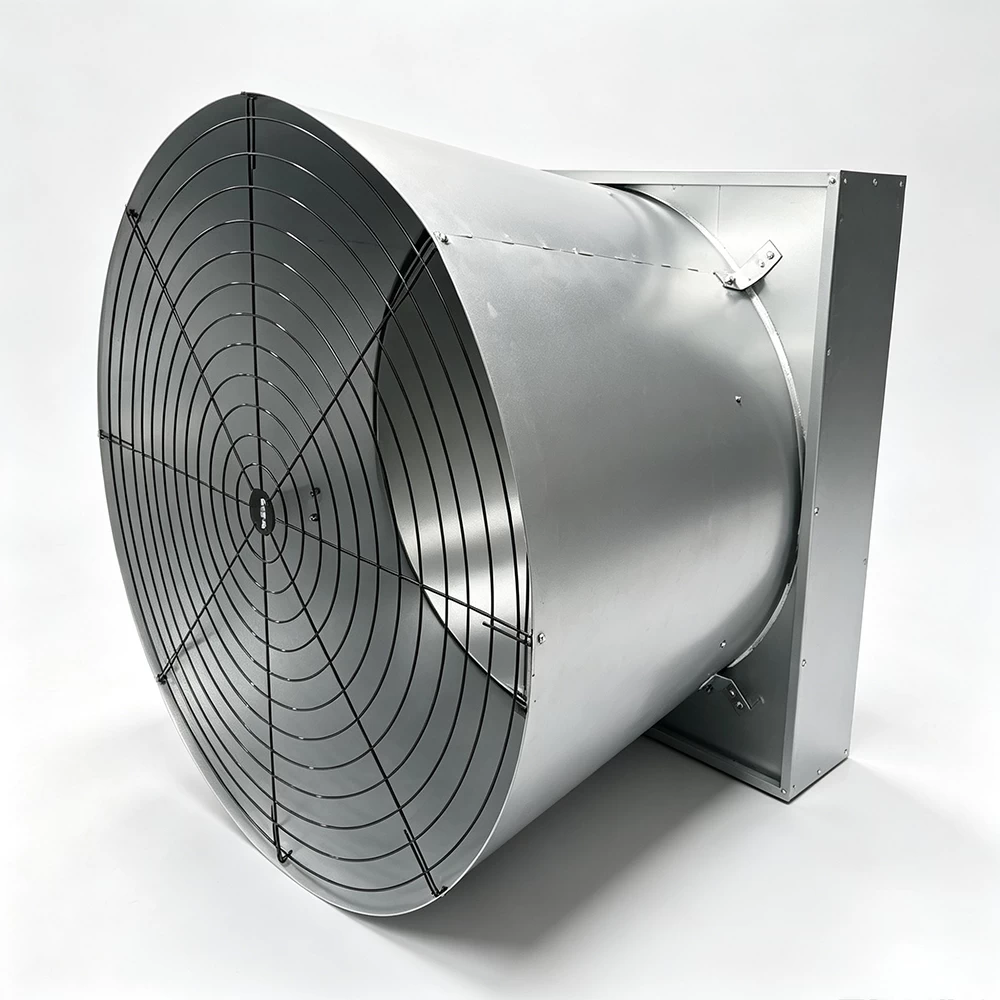
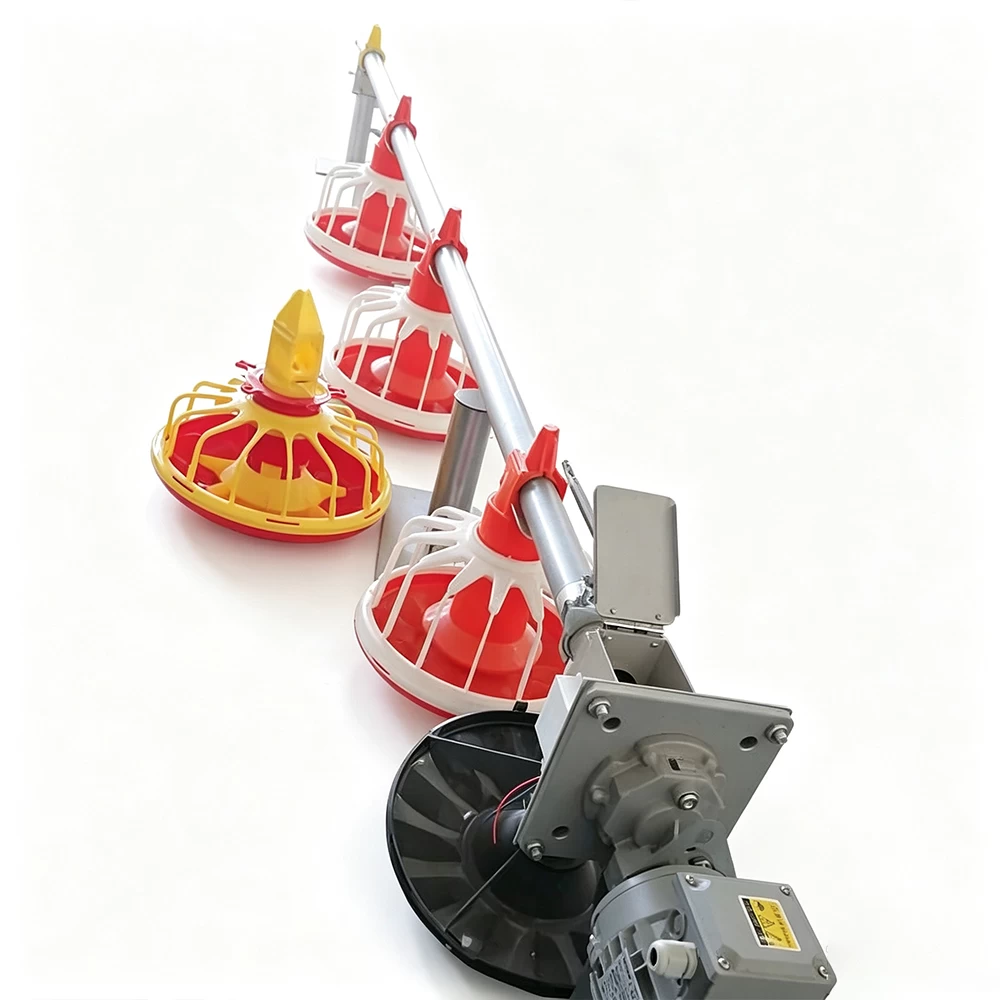
Smart Farming & Environmental Control: Automated feeding, climate-controlled housing (tunnel ventilation), and IoT sensors to manage heat stress and reduce labor overhead.
Feed Additives & Alternative Nutrition: High-efficiency enzymes, acidifiers, phytogenics (AGP alternatives), and mycotoxin binders that help farmers maximize nutritional intake amidst high raw material costs.
Biosecurity & Animal Health: Advanced disinfectants, rapid diagnostic kits, high-quality vaccines, and farm sanitation machinery to guard against disease outbreaks.

Strategic Tips for Entering the Philippine Market
Partner with Local Distributors: Given the country's archipelagic geography (over 7,000 islands), securing strong local distribution partners with established logistics networks in key regions (Luzon, Visayas, and Mindanao) is essential.
Prioritize Technical Support: Philippine producers value cost-effectiveness, but they place an equal emphasis on durable equipment backed by reliable aftermarket service and technical training.
Target Regional Hubs: While Manila serves as the commercial center, key livestock provinces in Central Luzon, as well as agricultural hubs in Cebu and Davao, are critical target regions.