

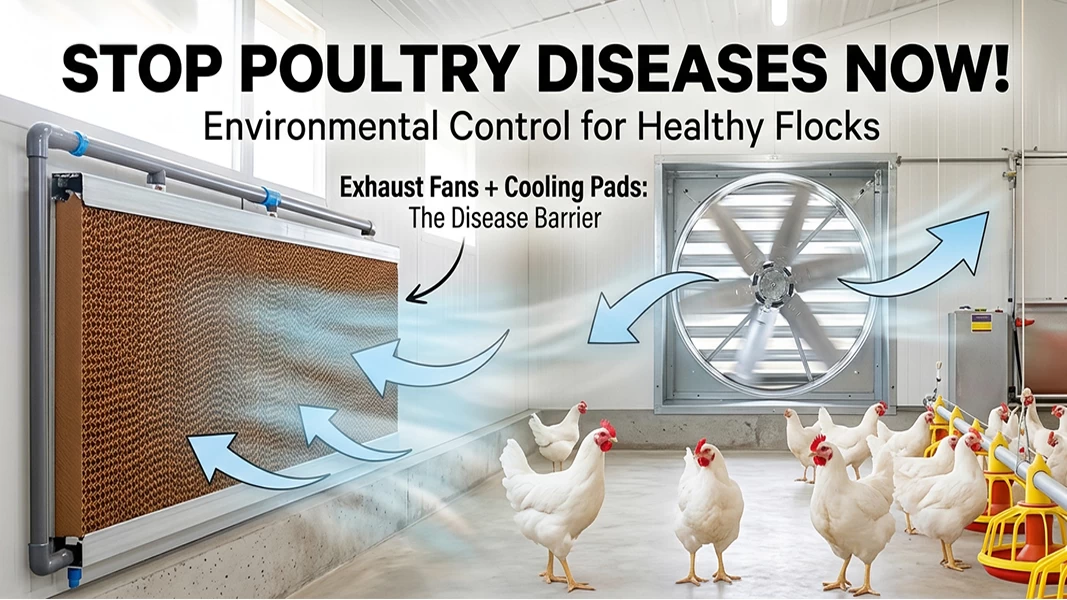
Frequent Disease Outbreaks in Poultry Houses? Optimize Environmental Control and Block Disease Transmission Chains with Fans and Evaporative Cooling Pads
In large-scale chicken farming, many poultry producers fall into a vicious cycle of medicating chickens whenever sickness appears, yet diseases keep recurring despite heavy drug use. As a golden rule in the breeding industry: prevention prevails over treatment, and environment is the foundation.
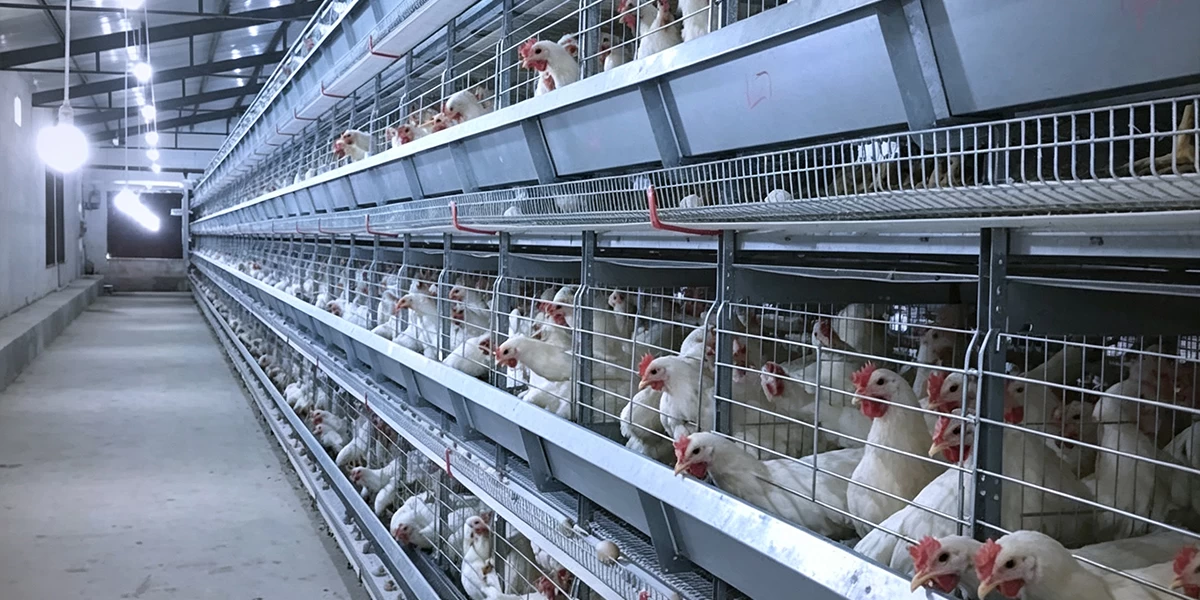
Many common chicken diseases are not simply triggered by pathogens. Poor microclimate inside poultry houses including excessive heat, high humidity, ammonia buildup and inadequate ventilation induces stress responses in chickens and weakens their immunity.
This article sorts out environmental triggers of typical poultry diseases and elaborates how coordinated control using negative pressure fans and evaporative cooling pads builds a solid disease-prevention barrier for flocks.
 |
I. Close Correlation Between Common Poultry Diseases and Environmental Conditions
- Respiratory Diseases (such as Chronic Respiratory Disease, Infectious Bronchitis, Infectious Coryza)Triggering Environment: Poor ventilation leads to excessive concentrations of ammonia, carbon dioxide and dust inside houses.
Pathogenesis: High ammonia levels damage the ciliary system of chicken respiratory mucosa, allowing pathogens such as mycoplasma and E. coli to easily invade lungs and air sacs.
- Heat Stress and Sudden Death SyndromeTriggering Environment: Hot and humid summers (temperature above 30℃, humidity above 70%).
Pathogenesis: Chickens have no sweat glands and dissipate heat mainly through respiration. Under high temperatures, excessive panting causes acid-base imbalance in body fluids, sharp feed intake reduction and dropped egg production. Severe cases result in mass death from heatstroke.
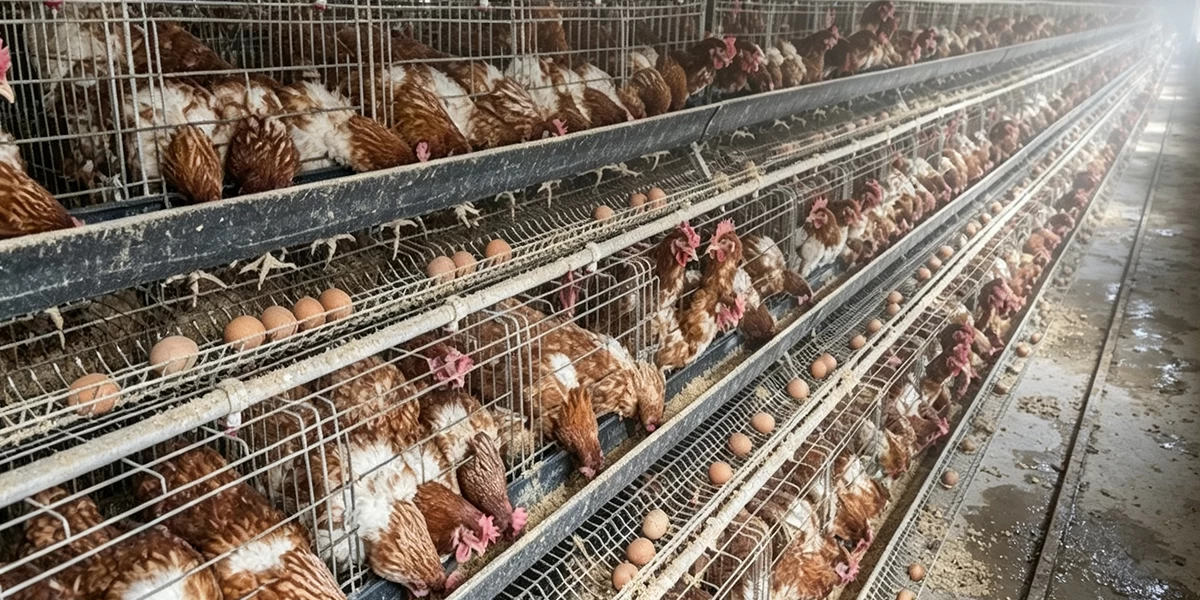
- Intestinal Diseases and CoccidiosisTriggering Environment: Excessive humidity, moldy wet litter and poor air circulation.
Pathogenesis: High-humidity environments are ideal breeding grounds for coccidian oocysts and harmful bacteria. Chickens pecking damp litter are highly susceptible to enteritis and coccidiosis.
 |
II. Solution: Disease Prevention System Combining Fans and Cooling Pads
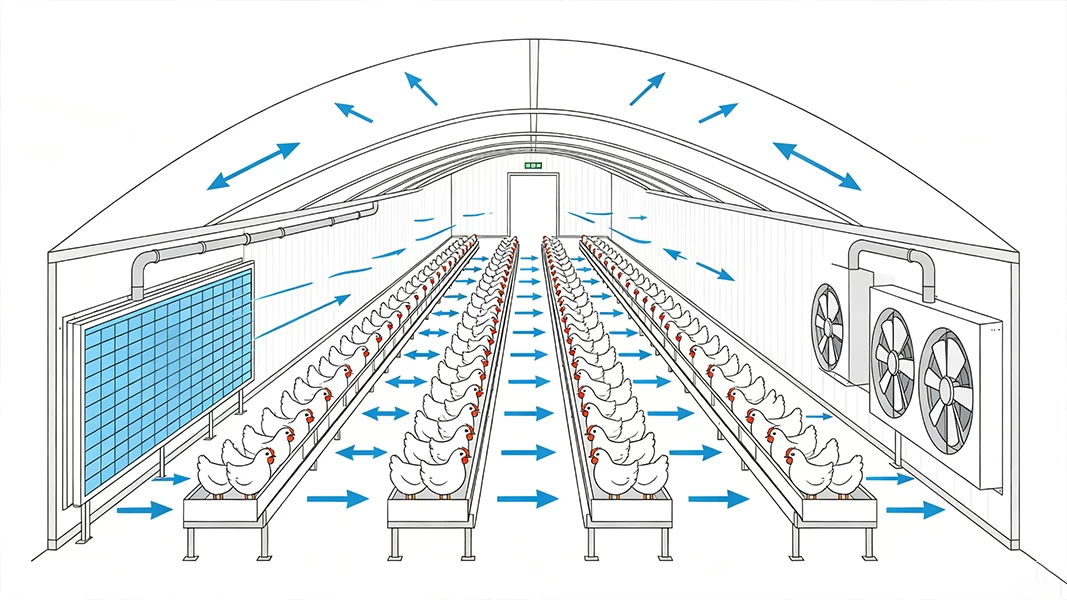
To thoroughly improve poultry house environments and cut disease transmission, the core is to build an efficient tunnel ventilation and cooling system.
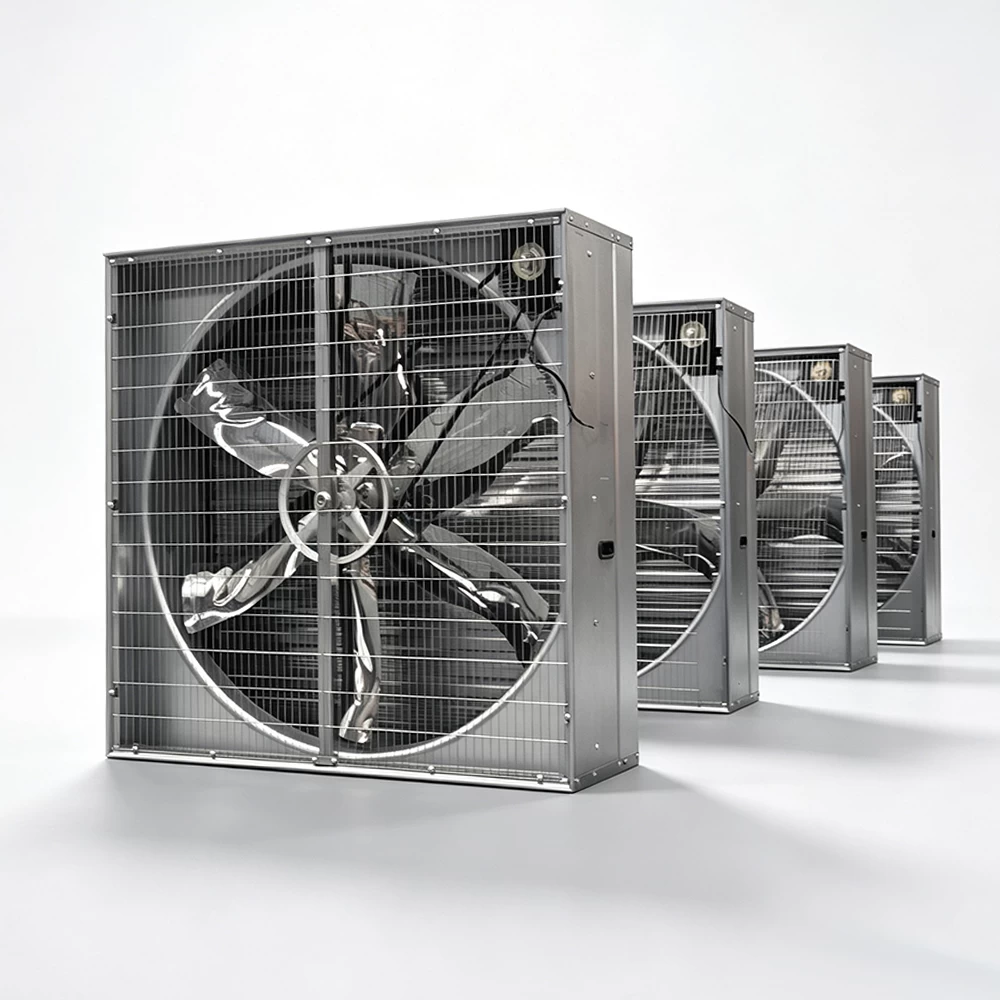
- Negative Pressure Fans: Discharge Stagnant Air and Generate Air Cooling EffectDisease Prevention Function: Negative pressure fans rapidly exhaust ammonia, hydrogen sulfide, dust and moisture to maintain constant fresh air inside the house.
Cooling Principle: In hot seasons, the airflow generated by running fans (recommended speed: 2.0–3.0 m/s) removes heat from chicken surfaces and creates an air cooling effect. Each 1 m/s increase in airflow reduces chickens’ perceived temperature by 2–3℃ and effectively prevents heat stress.
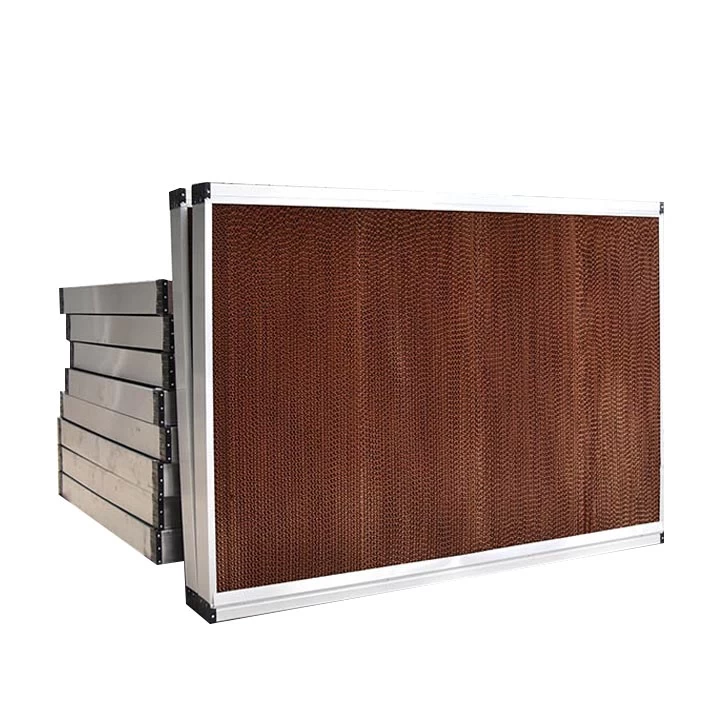
- Evaporative Cooling Pads: Rapid Cooling to Mitigate High-Temperature HazardsDisease Prevention Function: When outdoor temperature is extremely high and ventilation alone fails to meet cooling demands, cooling pad systems serve as an efficient cooling solution.
Cooling Principle: As dry hot air passes through wetted cooling pad fibers, water evaporation absorbs massive heat, lowering incoming air temperature by 5–10℃. Filtered and cooled fresh air distributes evenly throughout the poultry house and greatly reduces flock morbidity.
 |
III. Operational Best Practices for Fan and Cooling Pad Systems in Summer
To secure optimal cooling and disease control results and avoid cold stress caused by improper operation, farmers should follow these key notes:
Never activate cooling pads without sufficient exhaust: Cooling pads must work alongside fully operated negative pressure fans. Insufficient fan capacity causes sharp humidity rise without temperature drop, turning the house into a high-humidity hot chamber and triggering diseases.
Prevent direct cold airflow onto flocks: Install deflectors at cooling pad air inlets to avoid cold incoming air directly hitting nearby chickens, which may cause colds or respiratory illnesses.
Regular cleaning and maintenance: Cooling pad paper easily accumulates dust and algae and requires regular flushing to prevent blockage and reduced air intake. Fan belts need periodic inspection and tightening to guarantee exhaust performance.
 |  |