

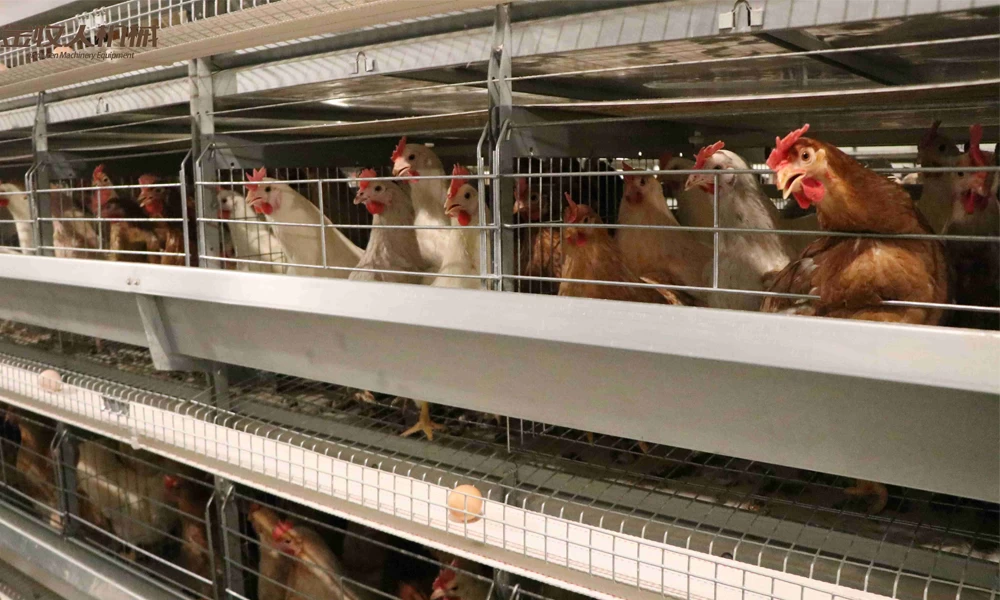
Egg breakage is one of the most critical factors affecting profitability in commercial layer operations. Industry estimates show that uncollected, cracked, or broken eggs account for a 3% to 10% total yield loss on average. Minimizing egg breakage directly translates to higher marketable egg volume and increased net profit for farm operators.
Achieving a low breakage rate (below 2%) requires a combination of high-performance automated housing equipment, proper nutritional balance, and sound farm management.
1. Upgrade to Automated Egg Collection Systems
Manual egg harvesting often leads to frequent shell damage due to human handling errors and delayed collection times. Installing an automatic egg collection system significantly mitigates these risks.
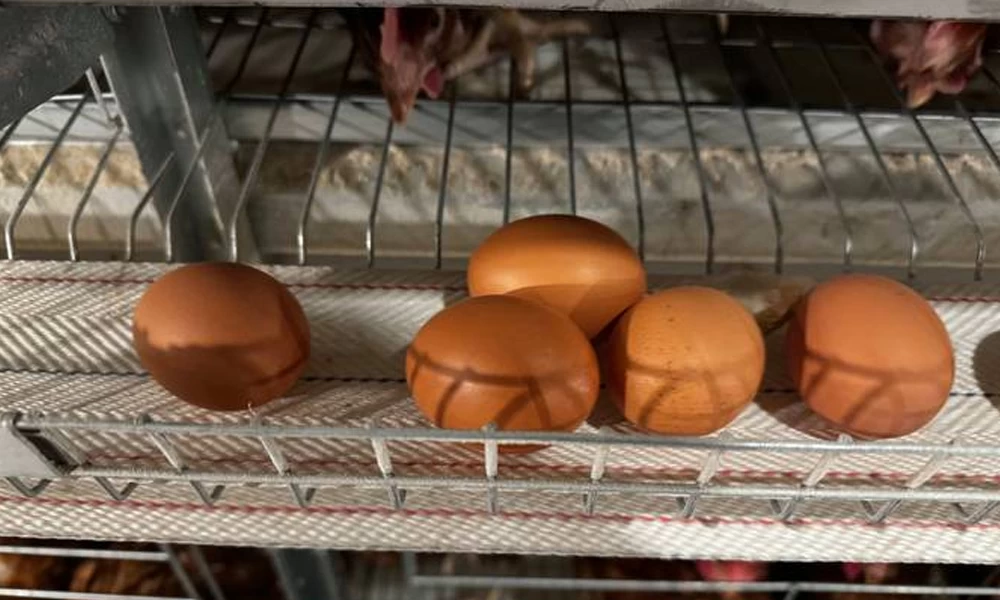
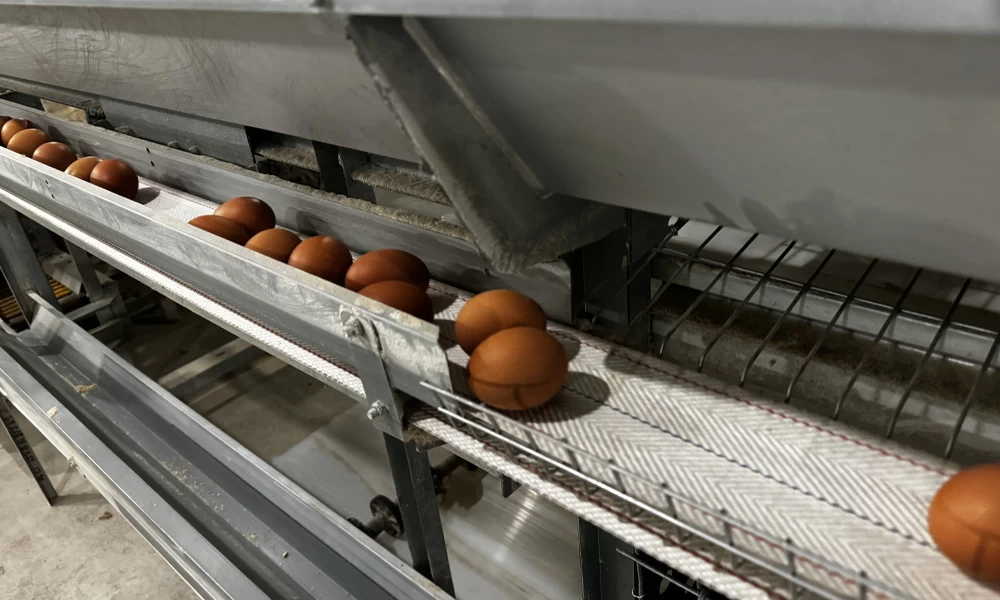
Smooth Egg Belts: Specialized woven or polypropylene egg belts prevent eggs from rolling aggressively, offering a gentle cushion as eggs move out of the cage.
Soft Transfer Point & De-escalators: Modern automatic egg collection machines use rubber-coated fingers and smooth de-escalator systems to transfer eggs between levels without colliding.
2. Optimize Layer Cage Floor Angle and Mesh Design
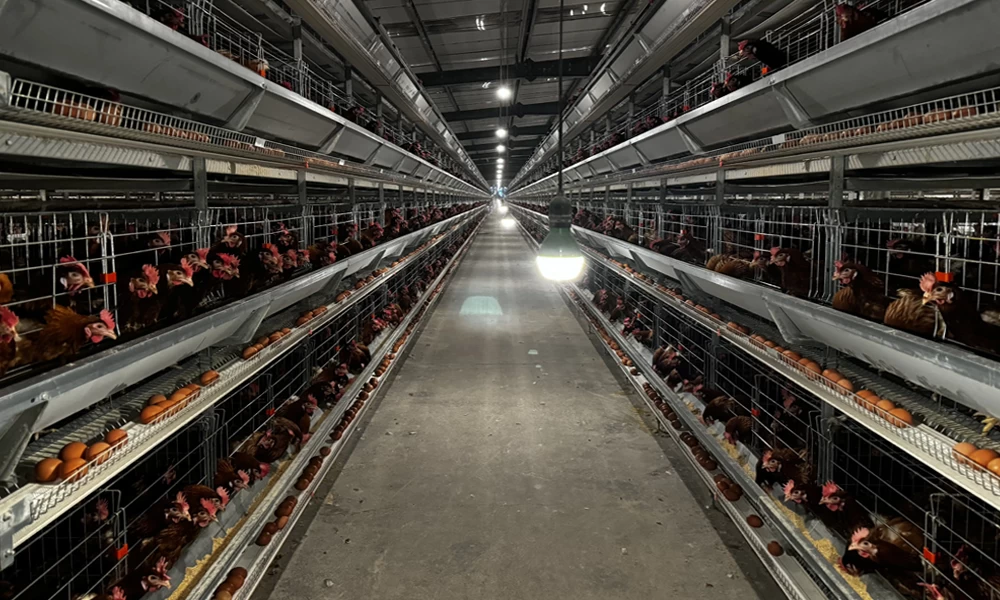
The physical structure of the layer cage plays a direct role in egg safety immediately after laying.
Optimal Floor Inclination (7° to 9°): If the cage floor slope is too steep, eggs roll too fast and crack upon hitting the front wire barrier. If the slope is too flat, eggs remain inside the cage, increasing the risk of being stepped on or pecked by hens. A 7°–9° angle ensures smooth, controlled rolling.
High-Tensile Galvanized Wire: Flexible, high-tensile wire mesh absorbs the impact when the egg drops, providing better cushion than rigid, unyielding metal frames.
3. Maintain Consistent Egg Collection Frequency
Leaving eggs on the belt or inside the cage for extended periods increases the chance of multiple eggs colliding or hens pecking at them out of curiosity.
Collect 2–3 Times Daily: Schedule automated egg collection during peak laying hours (typically early morning to mid-day) to reduce egg accumulation density on the belts.
 |  |
4. Optimize Hen Nutrition for Stronger Eggshells
Even with top-tier equipment, weak or thin eggshells will crack easily under standard mechanical stress.
Balanced Calcium & Phosphorus: Ensure laying diets contain adequate calcium (3.5%–4.2%) with coarse limestone particles to sustain calcium absorption during night-time shell formation.
Vitamin D3 & Trace Minerals: Include sufficient Vitamin D3, zinc, manganese, and copper to enhance shell matrix strength and reduce micro-cracks.
Protect Your Farm Profits with Professional Layer Equipment
Reducing egg breakage requires an integrated approach starting with reliable housing design and gentle handling machinery.
Contact our poultry machinery specialists today to learn more about our automated A-type and H-type layer cage systems, custom egg collection solutions, and factory-direct pricing.