

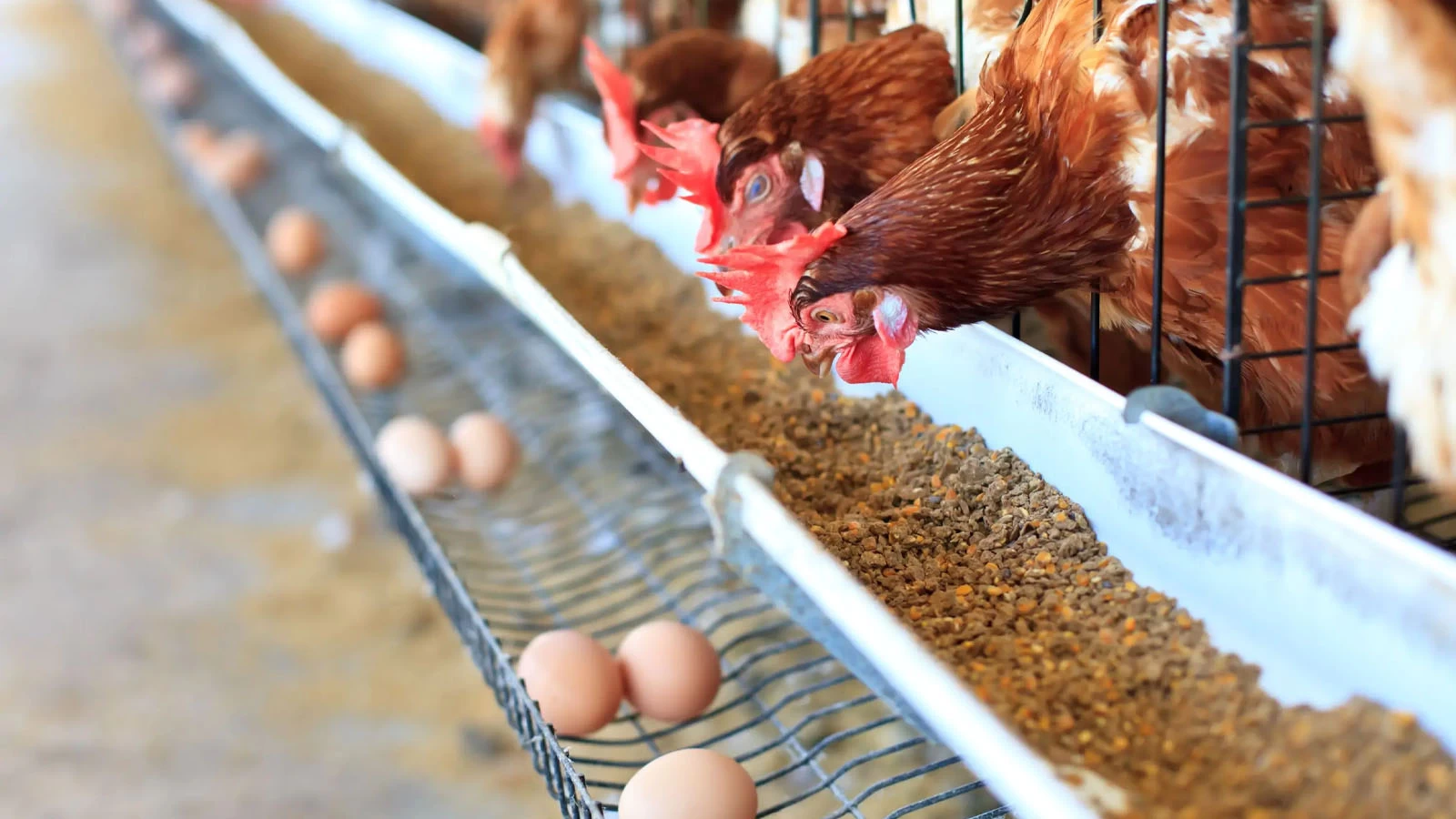
Modern high-efficiency poultry farming has long evolved beyond relying on luck or weather. The real secret to turning layers into high-performing egg producers lies in precision environmental control and smart management. Today, we reveal the "Three Essential Tools" modern poultry farms use to boost quality and efficiency.
1. Automated Feeding Systems: Precision Nutrition Without Competition or Waste
For hens to produce consistently, eating well and evenly is the crucial first step. Traditional manual feeding often causes uneven distribution, feed segregation, and competition among birds, leading to uneven flock development and delayed peak production.
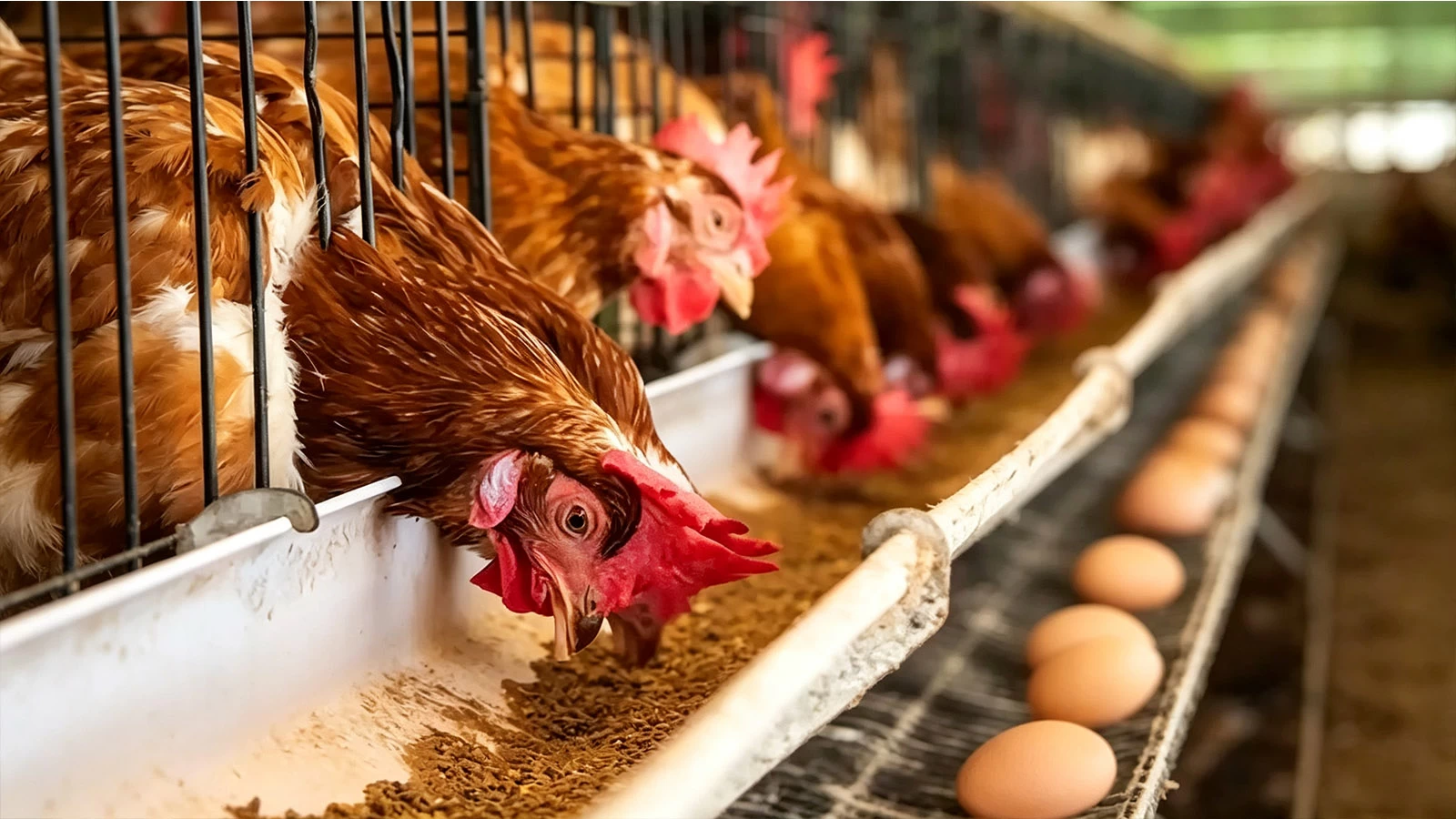
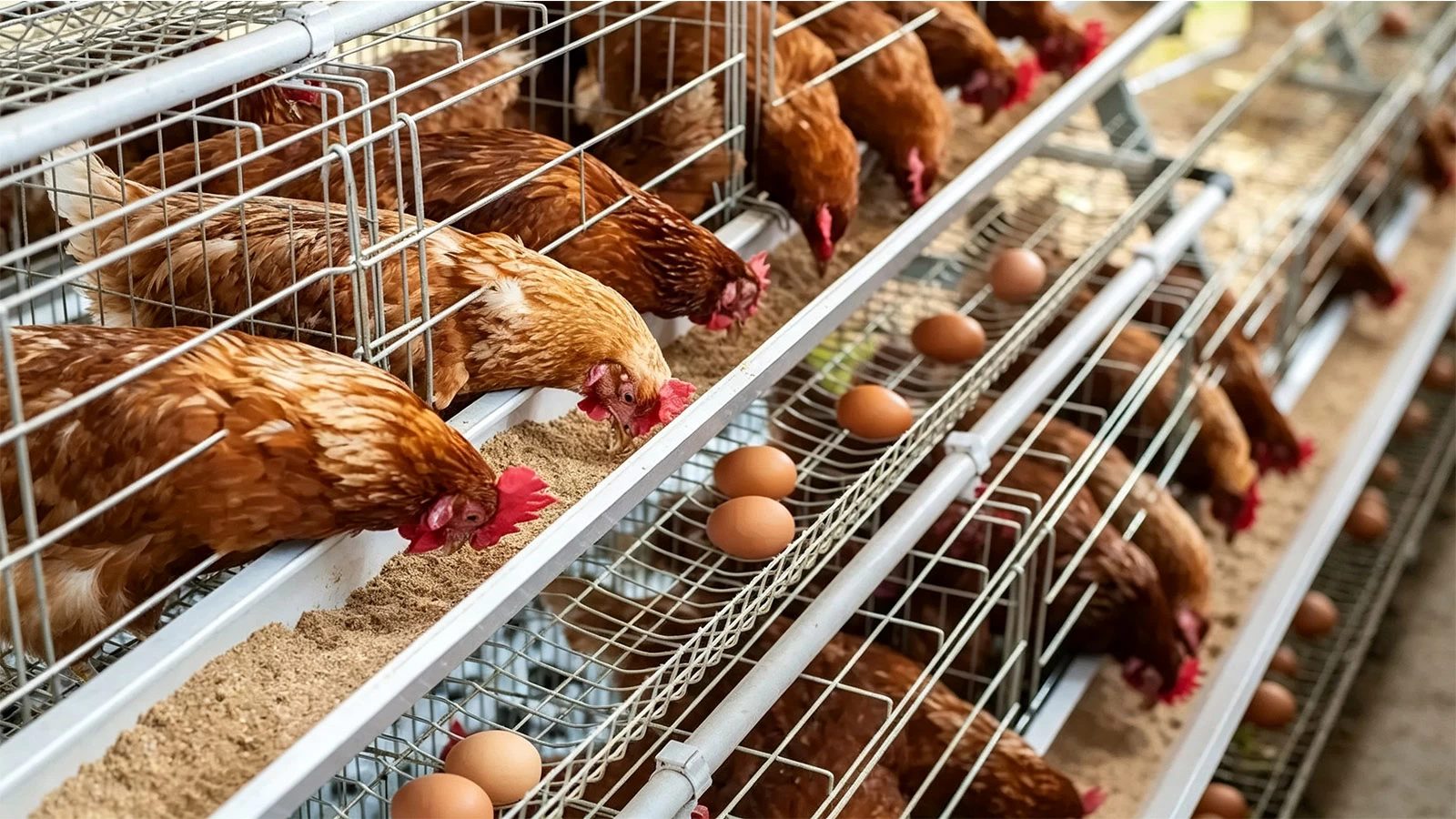
Frequent Small Meals & Precise Scheduling: Automated feeding systems (such as gantry or chain feeders) deliver feed at exact times and quantities. Feeding smaller portions more frequently stimulates the hens' appetite and ensures feed freshness.
Ensuring Feed Uniformity: Automated systems ensure that the feed formula remains identical in front of every bird across a 100-meter-long poultry house. This eliminates situation where stronger birds overeat while weaker ones starve, creating high flock uniformity in body weight and condition for synchronized, extended peak laying periods.
2. Air Pocket & Air Quality Control: Protecting Respiratory Health to Sustain Peak Production
In high-density, enclosed housing, the micro-environment within the house air pockets (primarily air quality and toxic gas concentrations) acts as an "invisible killer" of egg production.
Controlling Ammonia and Carbon Dioxide: Ammonia and hydrogen sulfide from manure, along with carbon dioxide from bird respiration, can severely damage hens' respiratory mucous membranes if allowed to accumulate in the air pockets. This triggers respiratory diseases and directly causes sharp drops in egg production.
Positive/Negative Pressure Air Pocket Balance: Using intelligent environmental controllers, operators can precisely adjust static pressure within air pockets and control air inlet openings. This ensures fresh air distributes evenly into every cage corner while quickly exhausting toxic gases, creating an oxygen-rich laying environment for the flock.
 |  |
3. Automated Ventilation & Cooling Equipment: Overcoming Heat Stress for Uninterrupted Summer Output
Laying hens lack sweat glands and are covered in feathers, making them extremely sensitive to heat. When house temperatures exceed 28°C (82.4°F), feed intake drops significantly. Above 32°C (89.6°F), severe heat stress occurs, risking mortality and causing egg production to plummet.
Evaporative Cooling Pad & Exhaust Fan Systems: This represents the most effective cooling solution available. Heavy-duty exhaust fans pull air out to create negative pressure, drawing cool, humidified air through wet pads into the house to rapidly lower temperatures by 5°C to 8°C.
Air Velocity & Wind-Chill Management: Combined with wind speed control (typically maintained at 2.0 to 2.5 m/s), systems leverage the "wind-chill effect" to lower the hens' perceived body temperature. Even during sweltering summer months, hens maintain healthy appetites and consistent egg production.
Summary:
High egg production is not a matter of luck—it is a systematic engineering process. By coordinating an automated feeding system for precision nutrition, air pocket climate control for fresh air, and ventilation cooling equipment to eliminate heat stress, these three systems work together to unlock the full potential of your flock and generate consistent profits for your farm.