

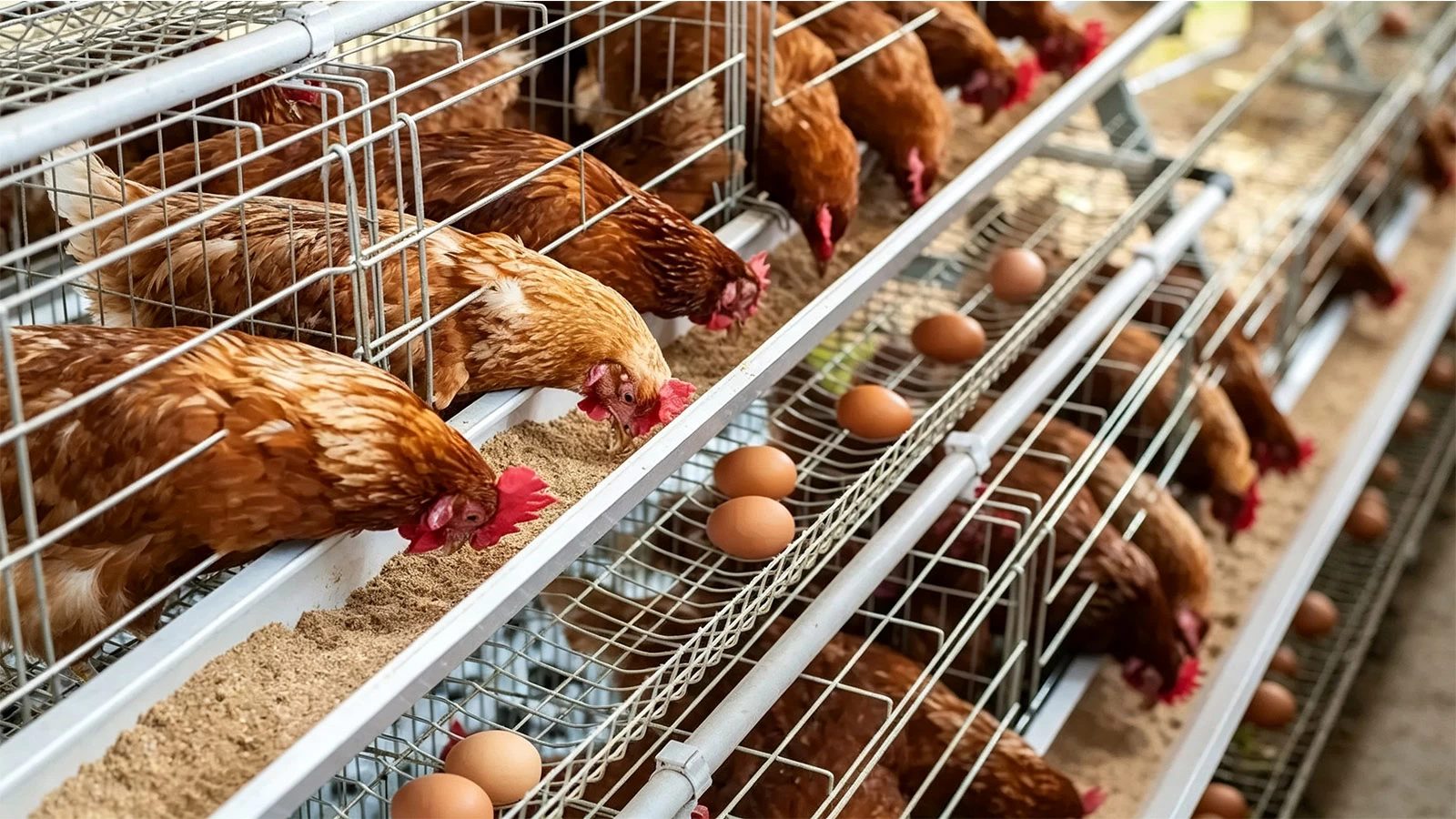
With autumn approaching, expanding temperature fluctuations between day and night pose a direct threat to laying hen performance. Laying hens are particularly sensitive to sudden micro-climate shifts, which frequently lead to stress, increased respiratory conditions, and sudden drops in egg production. Maintaining environmental stability is the core priority for autumn farm operations.
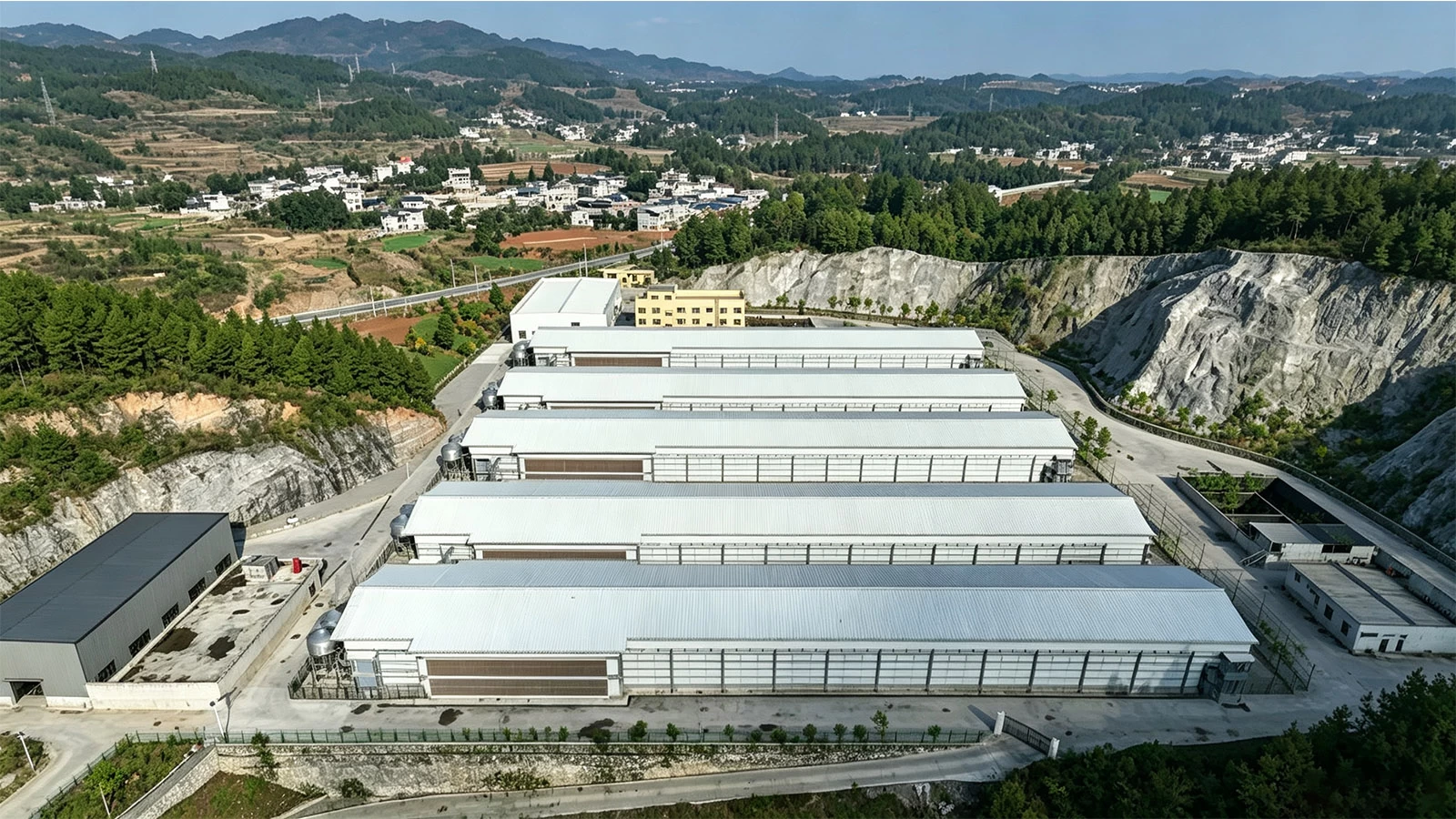 |
The ideal temperature inside a layer house ranges between 13°C and 25°C, and it should never drop below 8°C. Farm managers should aim to keep daily temperature variations within a 5°C margin. During warmer noon periods, increasing ventilation removes excess moisture, dust, and toxic ammonia. At night, windward windows must be closed and wall gaps sealed to prevent cold draughts from blowing directly onto the flock.
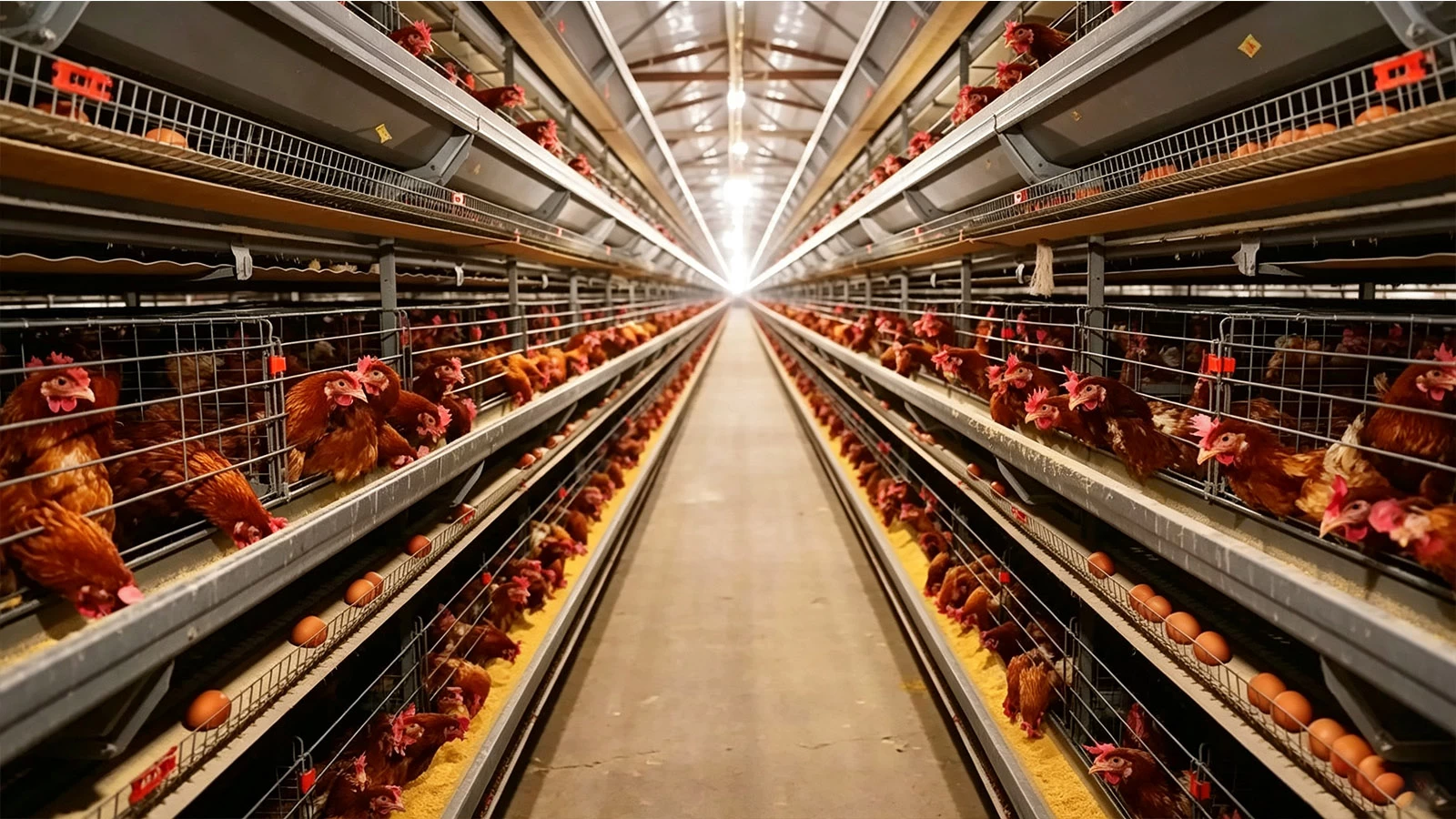 |
Managing relative humidity between 55% and 65% is equally critical. When humidity exceeds 70%, the risk of colibacillosis and respiratory outbreaks escalates rapidly. On rainy days, removing damp feed and clearing manure promptly stops mold growth. Where available, installing temperature-controlled minimum cyclic ventilation offers the optimal balance between heat retention and fresh-air exchange.
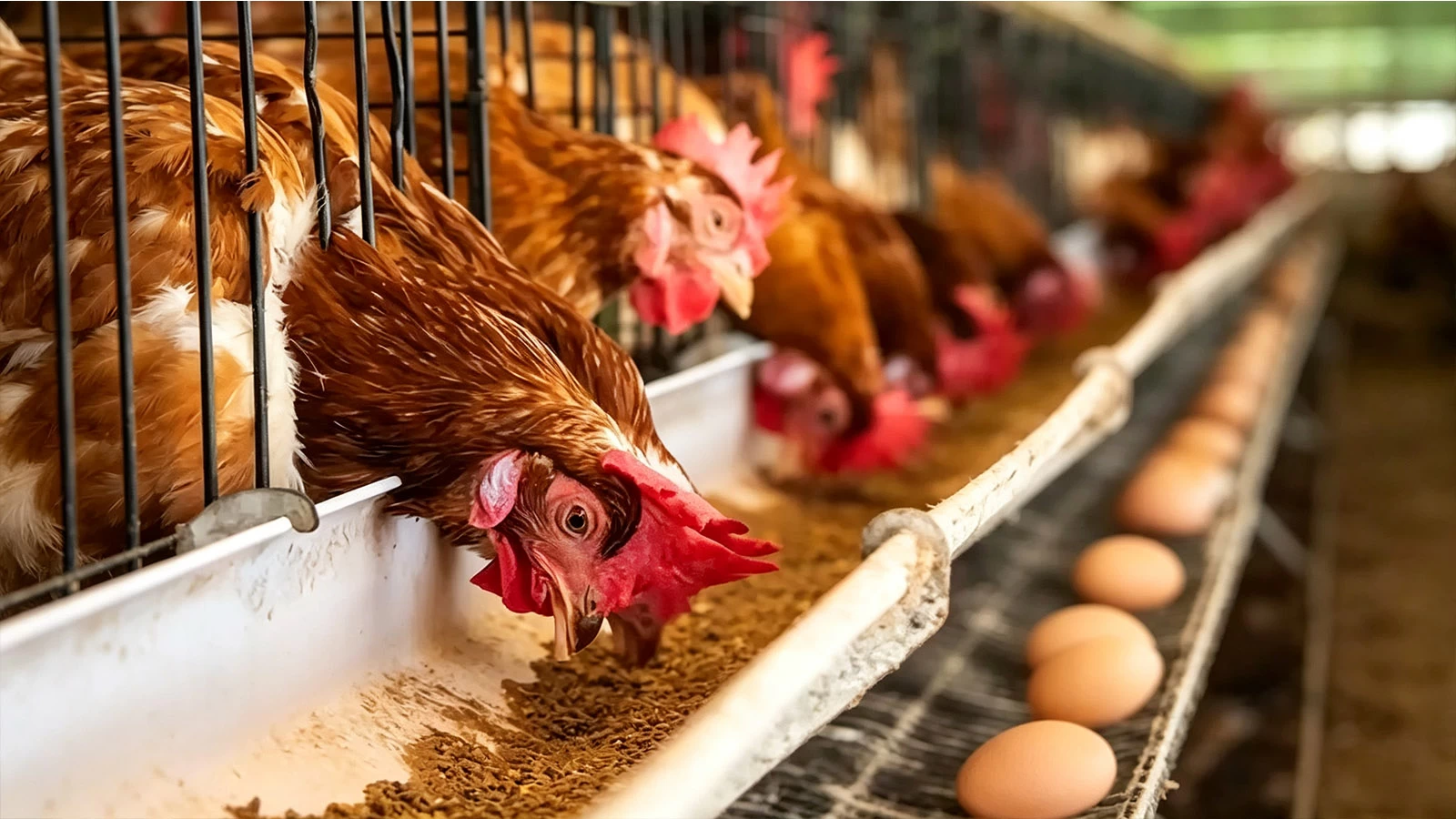 |
Achieving strict climate regulation during transitional autumn weather protects laying performance. By proactively managing airflow and humidity, egg producers ensure high flock health and stable output throughout the season.