

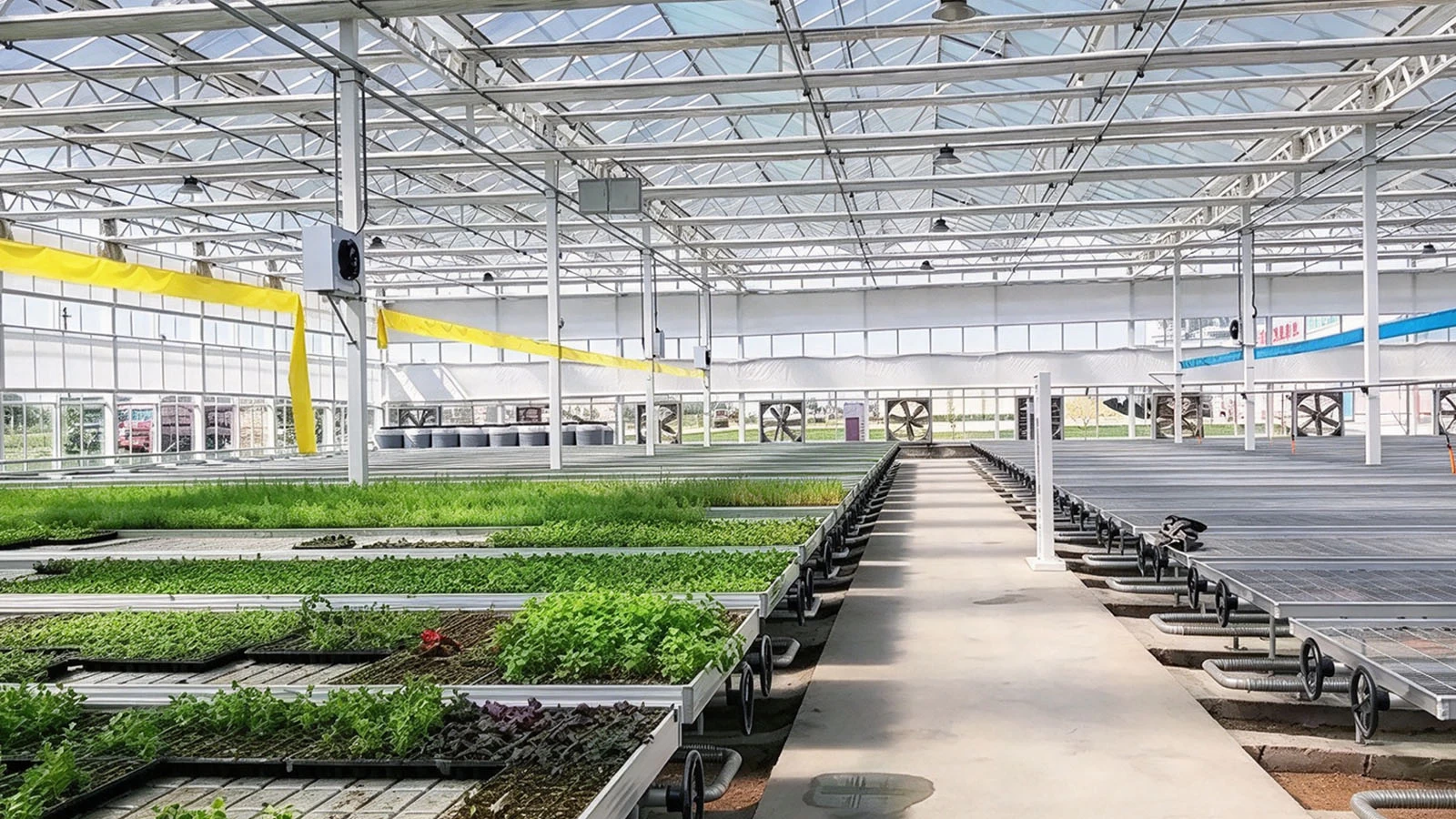
The True Cost of Inefficient Ventilation
In large-scale commercial greenhouses, running multiple heavy-duty exhaust fans 12 to 16 hours a day during peak seasons results in substantial utility bills. Outdated fan designs, loose V-belts, or poorly maintained motors can drag system efficiency down by 20% to 35%, quietly eroding profit margins.
 |
Strategy 1: Upgrading to High-Efficiency Motors and VFD Technology
IE3/IE4 Energy-Efficient Motors: Replacing standard motors with high-efficiency copper-wound motors delivers immediate reductions in wattage draw for the same airflow output.
Variable Frequency Drives (VFDs): Rather than running fans on an "all-or-nothing" ON/OFF cycle, VFD controllers adjust fan RPM based on real-time temperature sensors. Reducing fan speed by just 20% can cut power consumption by nearly 45% due to fan affinity laws.
Strategy 2: Staged Ventilation Control
Instead of starting all exhaust fans simultaneously, program your controller for staged activation:
Stage 1 (Low Heat): Natural roof vents open or minimum airflow fans engage.
Stage 2 (Moderate Heat): 50% of exhaust fans turn on to establish basic circulation.
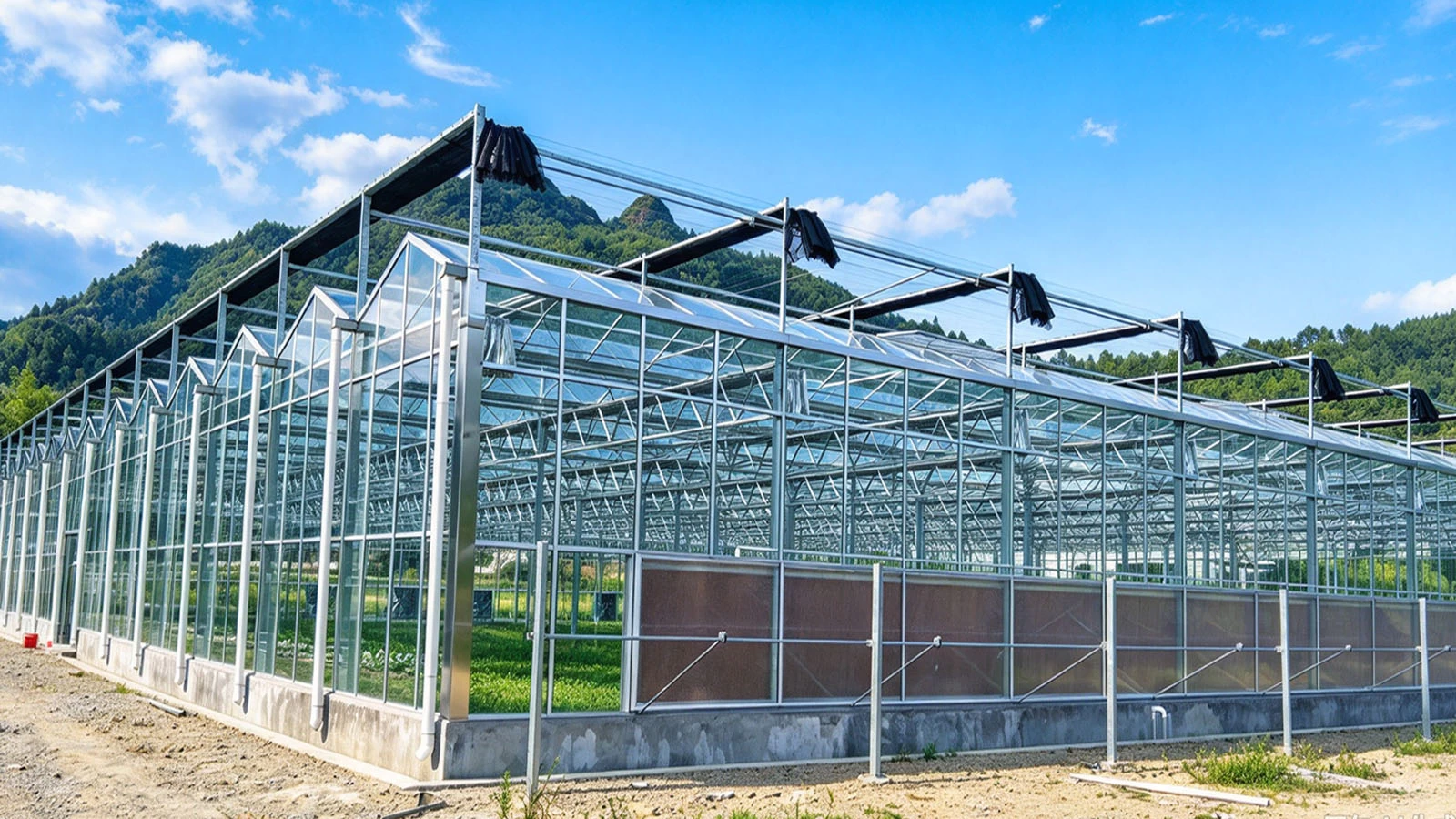
Stage 3 (Peak Heat): All fans activate alongside the evaporative cooling pad water pumps for maximum cooling.
Strategy 3: Preventive Maintenance Checklist for Peak Efficiency
Routine maintenance keeps equipment running at peak aerodynamic performance:
Tighten or Replace V-Belts: Slack belts slip, reducing fan RPM and lowering airflow by up to 30% without reducing motor power draw.
Clean Fan Blades and Shutters: Dust and dirt accumulation on fan blades alters blade aerodynamics and adds weight, increasing energy consumption.
Descale Cooling Pads: Mineral deposits clogging evaporative pads increase static pressure resistance, forcing fans to work harder.