

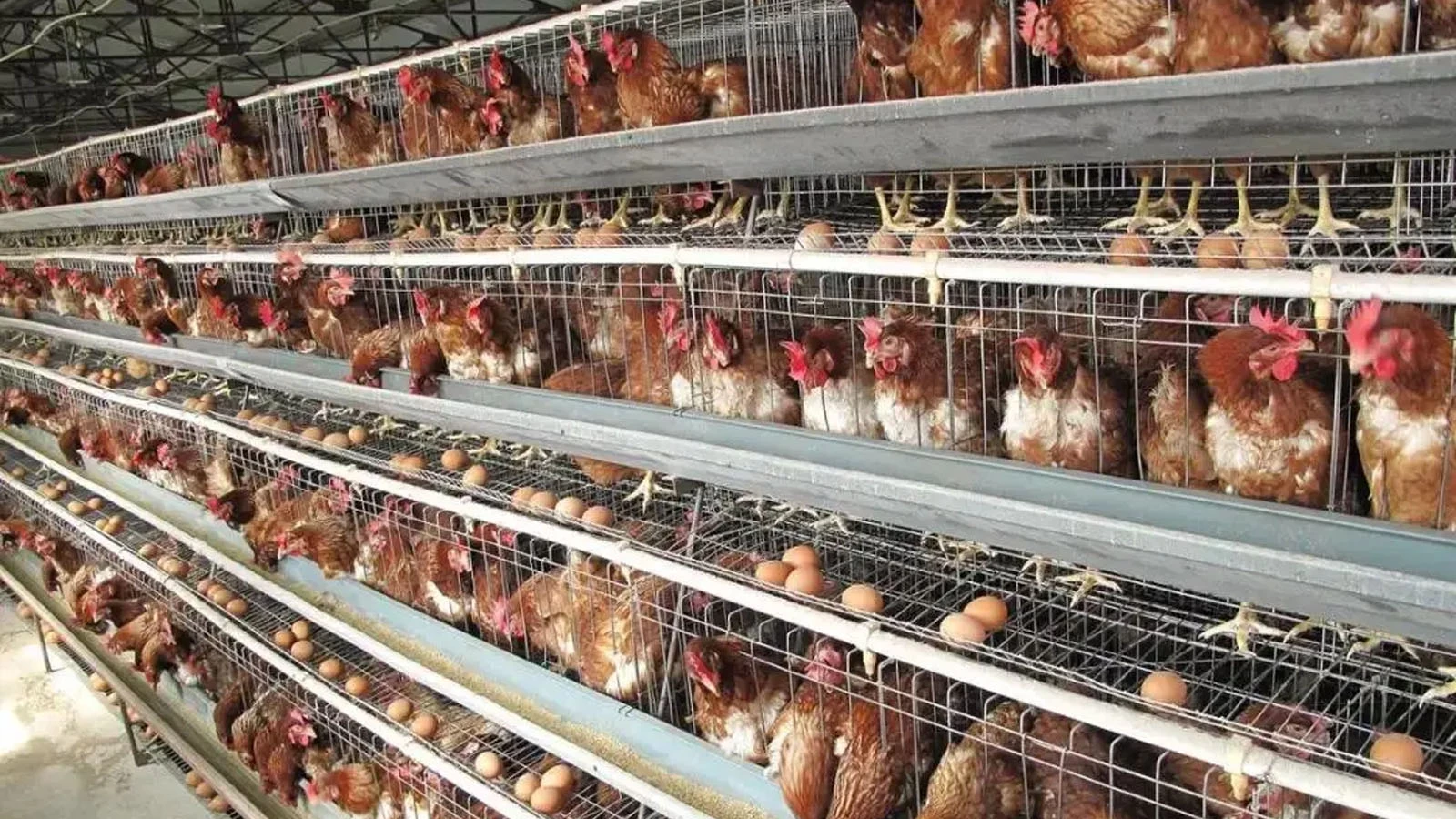
Investing in a high-quality feed silo (feed storage bin) is a critical decision for modern livestock operations. Whether you are running a poultry, swine, or dairy farm, your feed silo plays a vital role in protecting your largest operational cost: feed.
Selecting the wrong storage bin can lead to feed spoilage, frequent clogging, water leakage, and high maintenance costs. To help you make an informed investment, here is a comprehensive guide covering the 6 essential factors to consider when purchasing a feed silo.
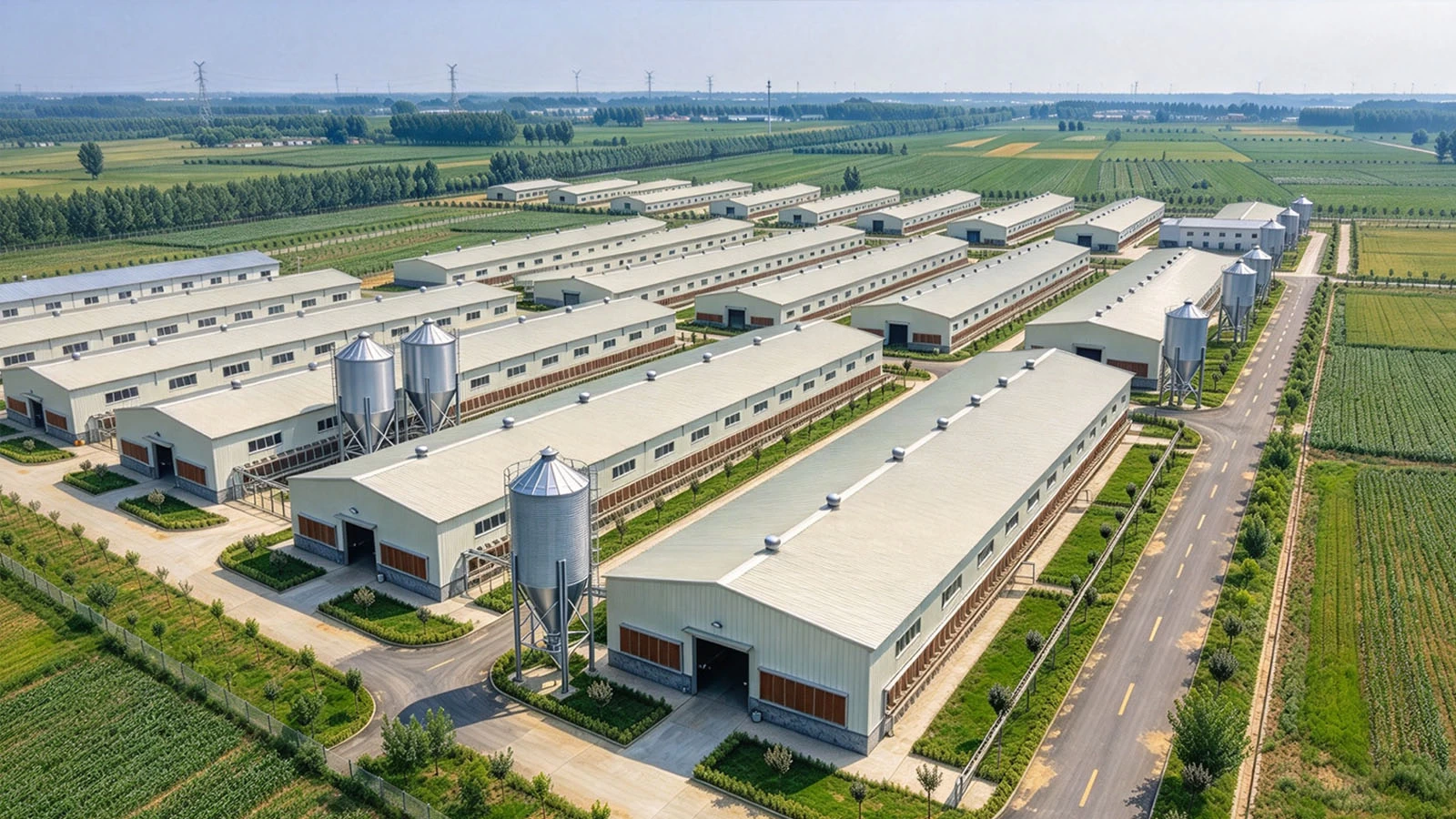 |
1. Material & Corrosion Resistance
Feed silos are exposed to harsh outdoor elements year-round, as well as the natural acidity of feed ingredients. Selecting the right material directly impacts the lifespan of your bin.
- Galvanized Steel Silos: The most cost-effective and widely used option. When buying galvanized steel, pay close attention to the zinc coating weight. Look for a minimum coating of 275 g/m² (Z275/G90), or 350 g/m² for extreme weather conditions, to prevent rust and corrosion.
- Fiberglass (FRP) Silos: Exceptional for thermal insulation. Fiberglass drastically reduces internal temperature fluctuations, preventing condensation, dampness, and mold formation. They are completely rust-proof and ideal for humid or coastal environments.
- Stainless Steel Silos: Highly durable and offering top-tier hygiene standards, though typically reserved for specialized feeds due to higher material costs.
2. Capacity & Dimensions Matching
Choosing the right silo size ensures smooth daily farm operations without over-investing in unused capacity or suffering from frequent stockouts.
- Silo Capacity Formula:$$\text{Capacity} = \text{Daily Feed Consumption} \times \text{Storage Days (3–5 days)} \times \text{Safety Factor}$$
- Bulk Density Conversion: Remember that feed bulk density varies. Poultry pellets and ground feed generally range between 0.6 to 0.7 t/m³. Always calculate capacity using both volume ($m^3$) and weight (metric tons).
- Clearance & Delivery: Ensure the top of the silo matches the reach of local bulk feed trucks and adheres to height restrictions near power lines or farm structures.
3. Structural Design & Smooth Discharge
A feed silo must discharge feed consistently without arching or bridging—especially when using fine or high-moisture feed mixes.
- Hopper Cone Angle:
- A 60° cone angle is ideal for standard free-flowing pellets.
- For meals, fine powders, or sticky ingredients, opt for a steeper 65°–70° cone angle, or pair the silo with mechanical vibrators/arch breakers.
- Sealing & Leak Prevention: Look for silos with high-grade sealing strips along all panel seams and rubber washers under bolts to prevent rain seepage and feed spoilage.
4. Automation & Accessory Compatibility
A silo should integrate seamlessly with your automated farm feeding lines (auger or disc-chain systems).
- Weighing & Load Cell Systems: Ensure the silo legs support load cell installation for real-time feed consumption tracking and automated reordering alerts.
- Level Indicators & Inspection Windows: Transparent sight glasses or electronic high/low level sensors allow operators to quickly check feed levels without climbing the bin.
- Boot & Outlet Selection: Check that the bottom boot matches your conveyance system diameter (e.g., 75mm, 90mm) and includes a manual slide gate for easy maintenance.
5. Structural Integrity & Safety Standards
Feed silos must withstand strong winds, earthquakes, and heavy structural loads when fully loaded.
- Wind & Seismic Resistance: High-quality silos feature reinforced leg structures and external vertical stiffeners to endure extreme weather events (such as typhoons or heavy snow load).
- Safety Ladders & Cages: OSHA-compliant safety ladders with protective cages and non-slip rungs are essential for safe worker access during inspection and maintenance.
6. Manufacturing Precision & After-Sales Support
- Precision Engineering: Look for CNC-punched panel holes and double-sided galvanized sheets that prevent rust around bolt connections.
- Modular Assembly: Modular panel silos are much easier and more cost-effective to ship internationally in standard containers. Ensure your supplier provides clear assembly manuals or video tutorials.
Summary Checklist
| Key Factor | What to Look For |
| Material | Galvanized Steel (≥275g/㎡) or Fiberglass (FRP) |
| Cone Angle | 60°for pellets; 65°--70° for powders/meals |
| Capacity | 3 to 5 days of total herd/flock consumption |
| Accessories | Load cell compatible, transparent sight glass, slide gate |
| Safety | Reinforced stiffeners, safe ladder cage, rain-tight lid |
Need Help Choosing the Right Silo for Your Farm?
Selecting the right feed silo isn't just about buying a container—it's about protecting feed quality and streamlining your farm's automated operations. Contact our engineering team today to get a customized feed storage solution tailored to your livestock capacity and site layout!