

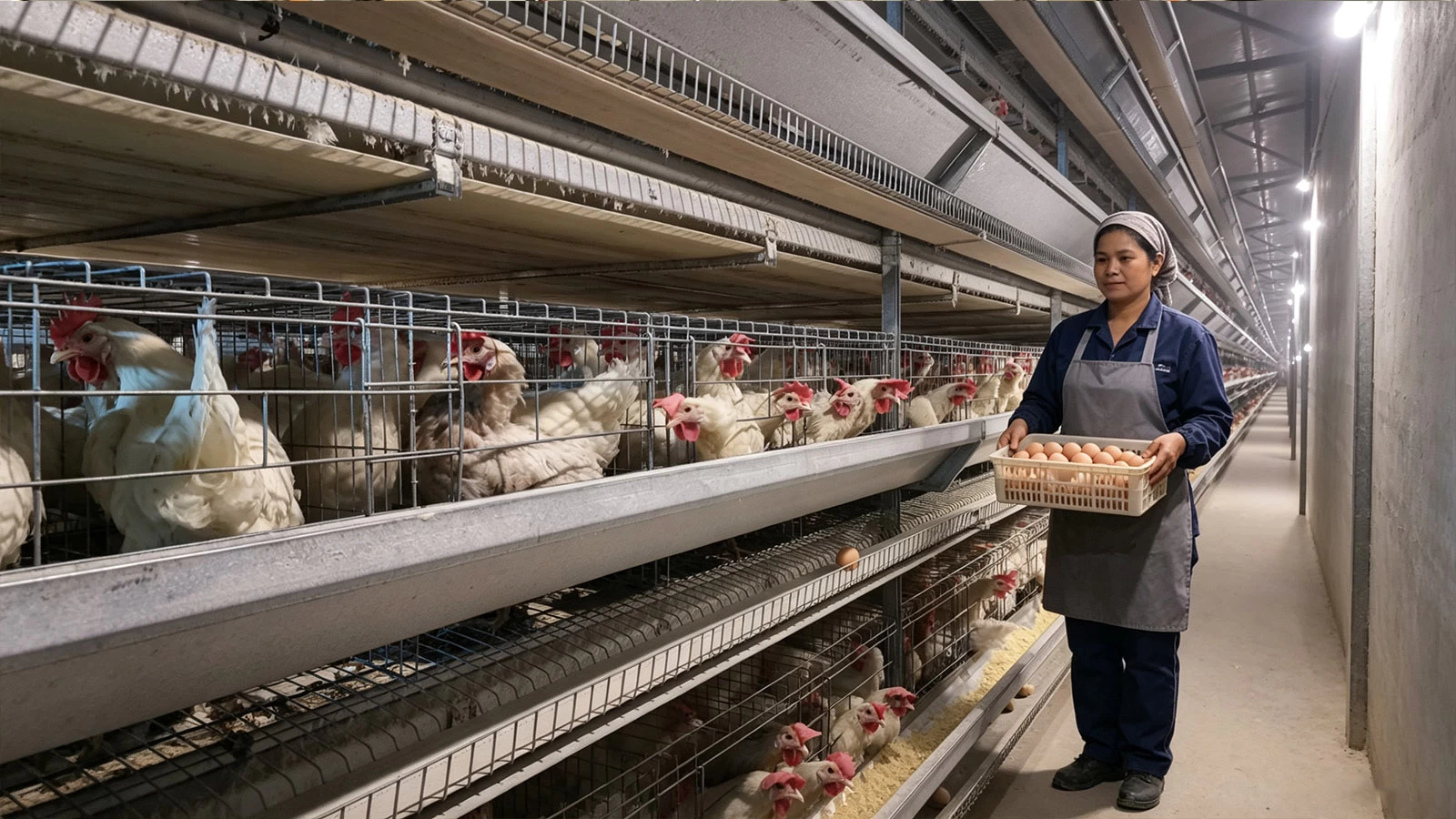
As natural daylight diminishes during autumn, unassisted photoperiods drop below the threshold needed to maintain peak egg production. To compensate, supplementary artificial lighting must be implemented on a fixed schedule. Total daily light exposure should be held strictly between 14 and 16 hours at an intensity of 10–20 lux, adding light during early morning and evening hours.
 |
Abrupt changes in lighting schedules or insufficient light intensity directly reduce laying rates. Conversely, exceeding 16 hours of daily exposure can trigger severe behavioral stress, leading to feather pecking. Consistency in turning lights on and off at fixed times is vital for endocrine stability in the flock.
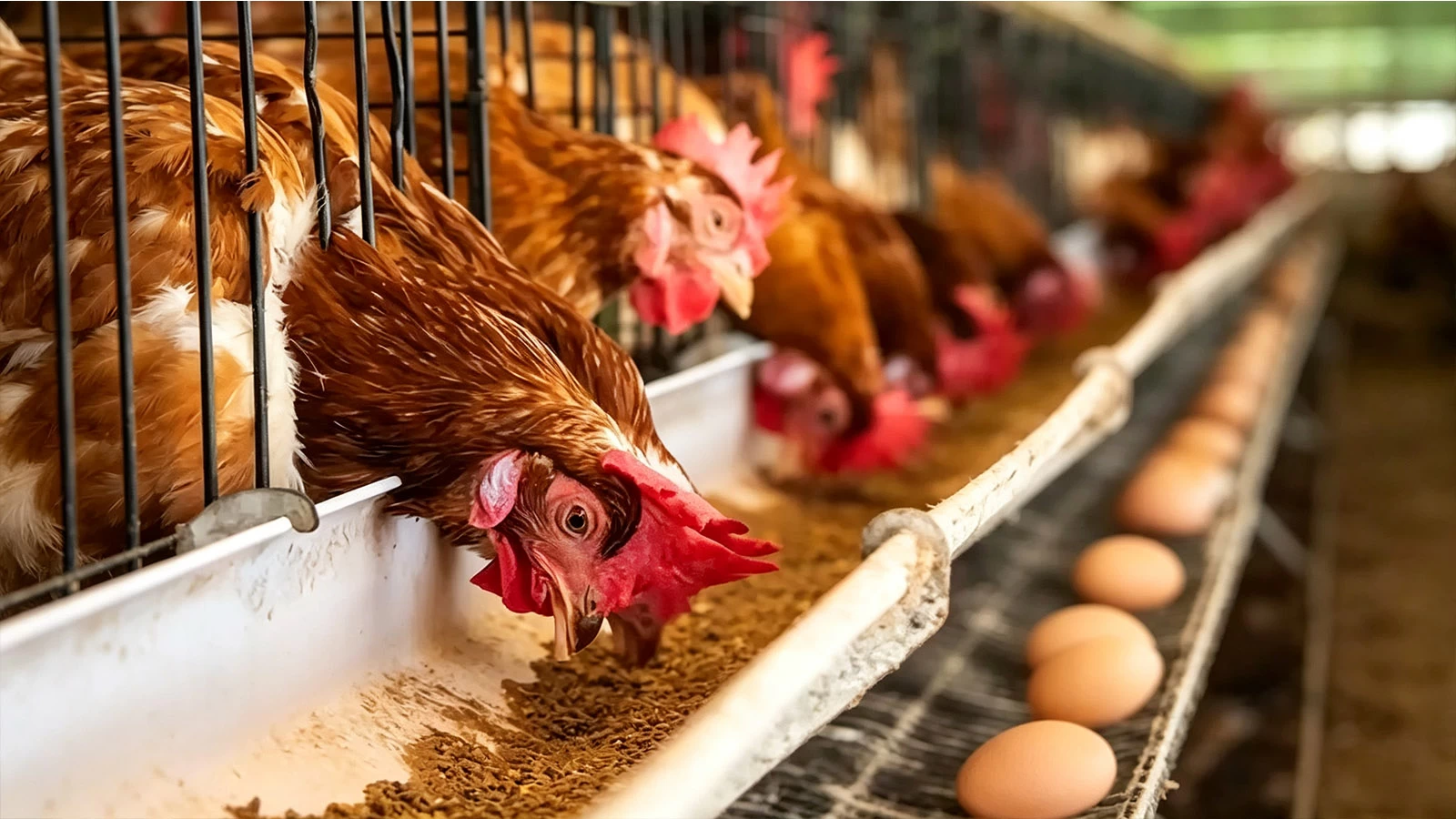
Nutritional requirements also shift as ambient temperatures decrease. Increasing the proportion of corn raises dietary energy levels to offset body heat loss. Adjusting the calcium-to-phosphorus ratio alongside Vitamin A and Vitamin D supplementation effectively minimizes thin-shelled and malformed eggs. Adding Vitamin C to drinking water helps mitigate temperature-induced stress.
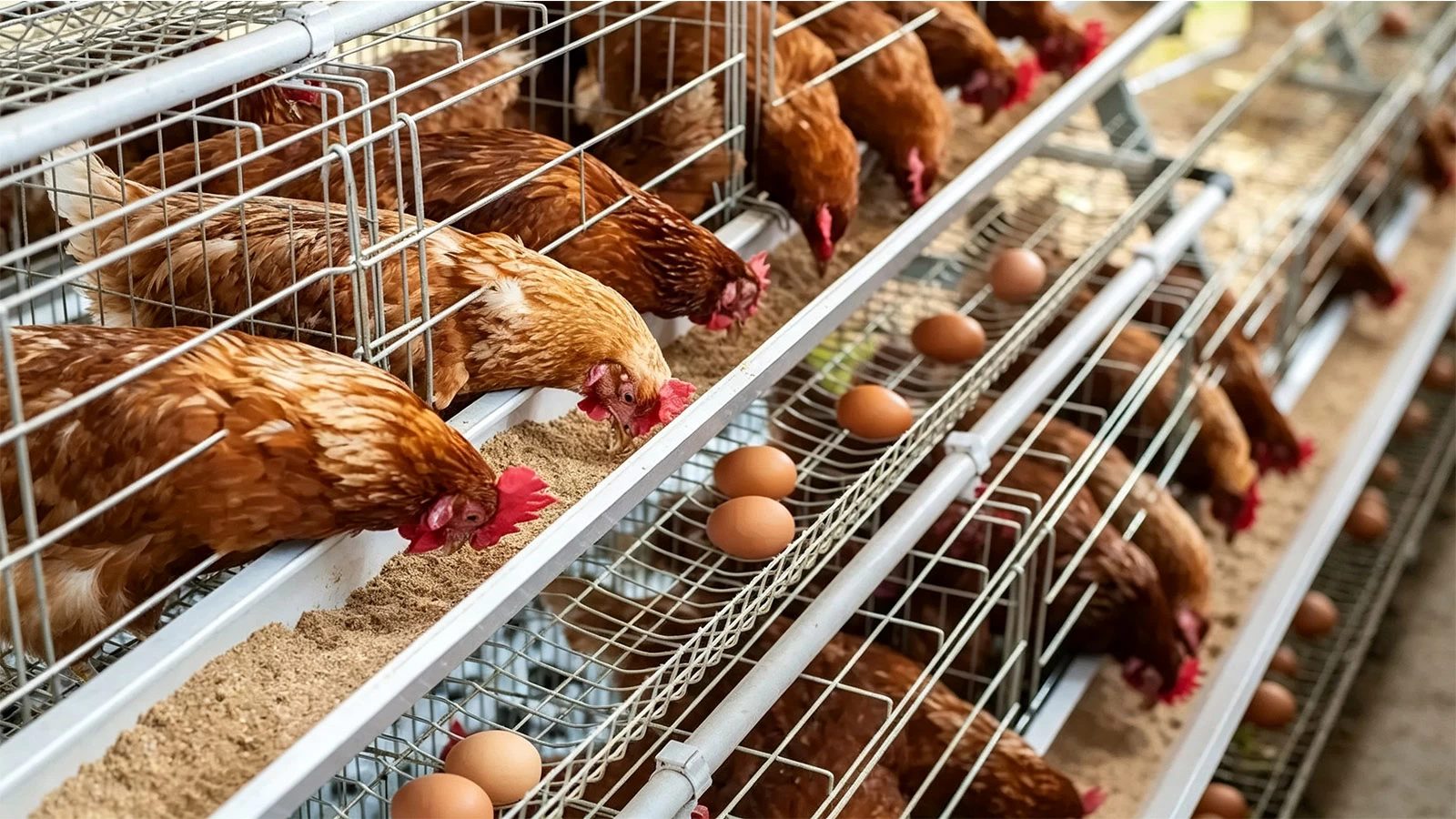
Finally, autumn is an ideal time for flock optimization. Timely culling of non-laying, older molting, weak, or severely over-fat/under-weight hens eliminates feed waste. Removing low-yield birds lowers disease transmission risks and maximizes overall farm profitability.
 |