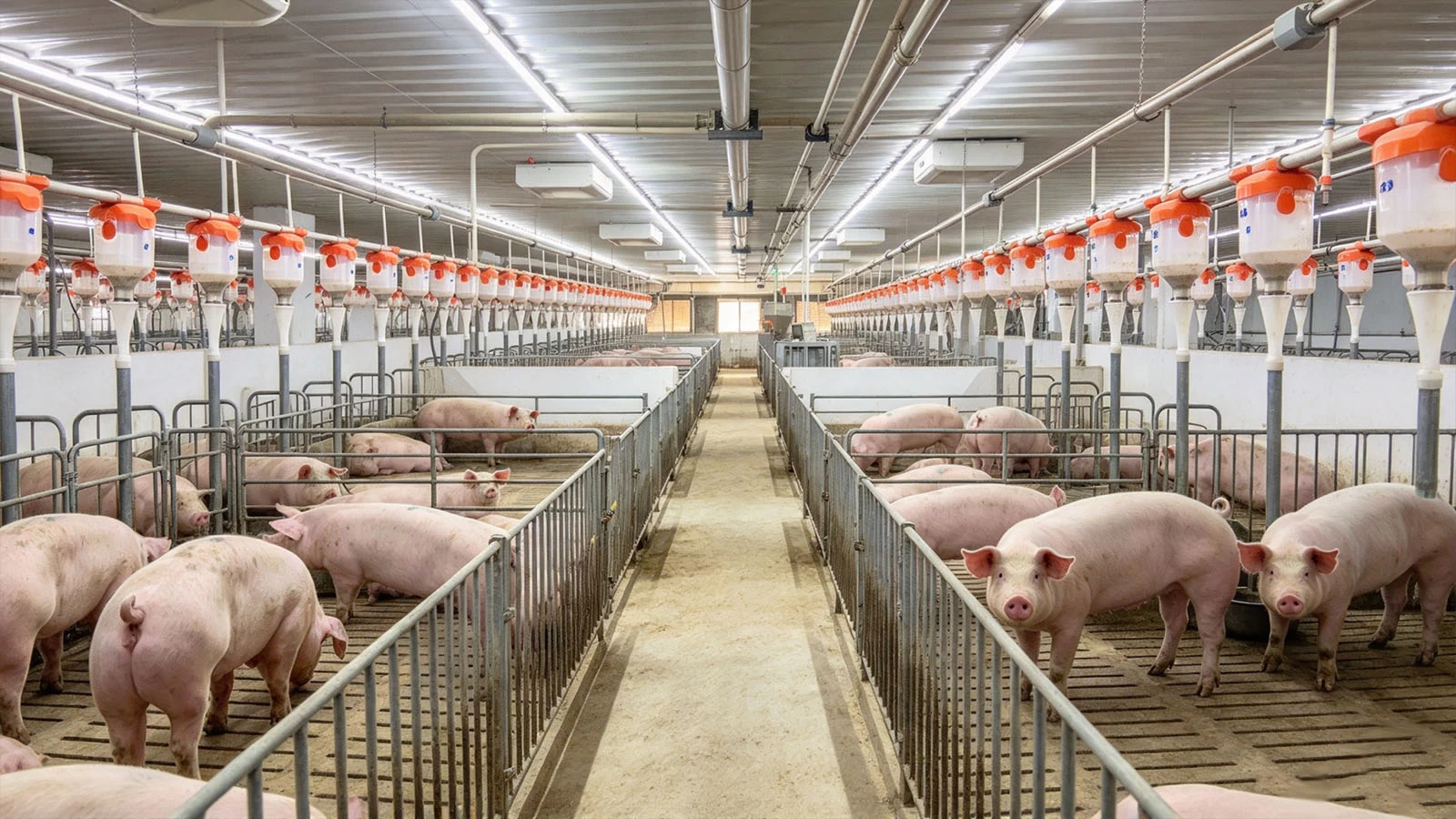

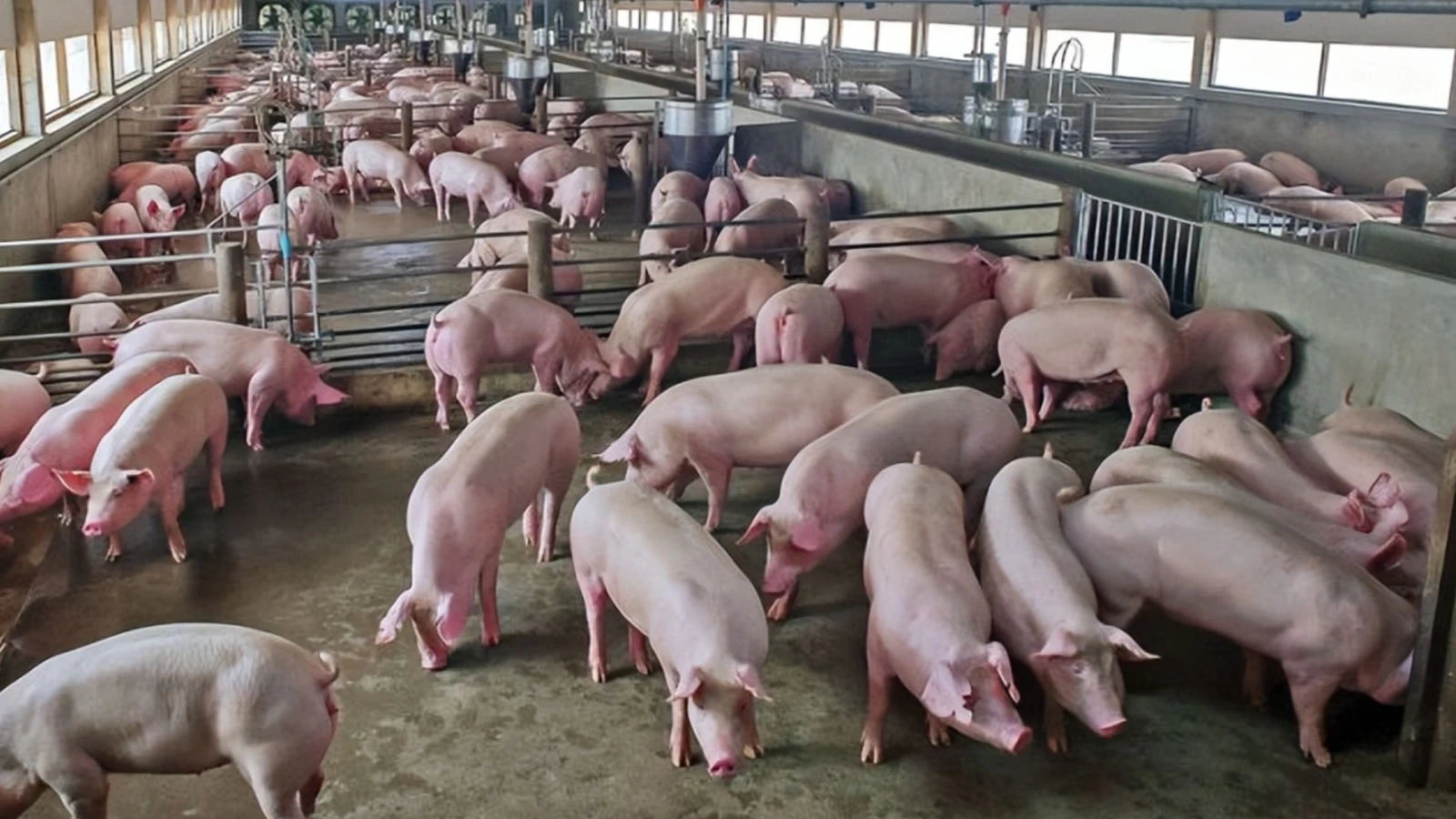
Navigating Autumn Health Challenges
The autumn transition brings wide day-to-night temperature swings and shifting humidity. These environmental stressors weaken the swine immune system, making herds highly susceptible to Porcine Respiratory Disease Complex (PRDC), Actinobacillus pleuropneumoniae (APP), Haemophilus parasuis (Glasser’s disease), and viral diarrhea. A proactive biosecurity and preventive health plan is essential to keep pathogens at bay.
1. Upgrading Biosecurity Barriers
Vehicle & Personnel Sanitation: As ambient temperatures cool down, disinfectant contact times and concentrations must be adjusted. Ensure disinfectant pits use cold-tolerant solutions and extend dry times for feed and supply delivery trucks.
Pest and Wildlife Control: Wild birds and rodents move closer to farm buildings in autumn searching for food and shelter. Inspect perimeter fences, seal wall gaps, and refresh rodent bait stations to eliminate potential disease vectors.
2. Targeted Health Care and Pulse Medication
Pulse Preventive Medication: Work with your herd veterinarian to implement strategic, pulse-medication protocols (e.g., in-feed or water-administered amoxicillin, tilmicosin, or doxycycline) during high-risk weeks to curb bacterial flare-ups before clinical symptoms appear.
Immunity Booster Supplements: Add stress-relief vitamins (Vitamin C, Vitamin E) and organic selenium into the feed or drinking water during rapid weather transitions to support systemic immunity.
3. Diagnostic Monitoring & Vaccination Timing
Blood Profiling: Conduct routine antibody titers before cold weather sets in to evaluate background immunity against PRRS, PCV2, and Foot-and-Mouth Disease (FMD).
Booster Shots: Fill immunization gaps promptly. Ensure all finishing pigs and replacement gilts receive booster vaccinations well before winter stress sets in.