


When designing or upgrading a poultry facility, farm owners and investors face a critical choice right from the start: Should you choose a Caged System or a Floor-Raised (Free-Run) System?
Some farmers prioritize the high stocking density and automation of cage systems, while others prefer floor systems for lower initial equipment costs and enhanced animal welfare. In reality, neither system is inherently "better"—it comes down to finding the best fit for your specific operational goals and market demands.
This guide compares Cage Systems vs. Floor Systems across land efficiency, labor requirements, disease control, and investment returns to help you make an informed decision for your poultry enterprise.
 |
1. Quick Overview: Core Differences
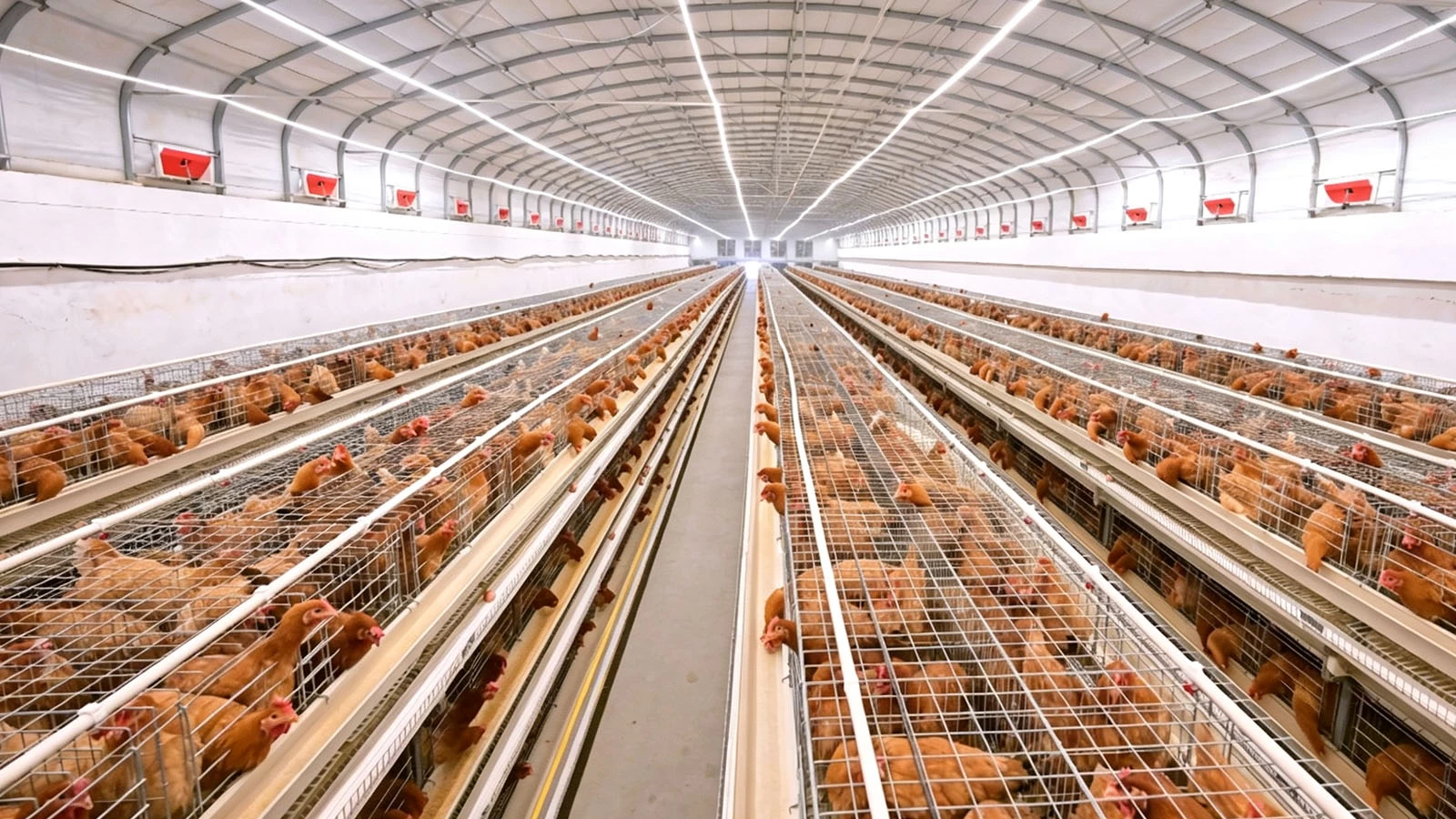
- Cage Systems: Birds are housed in multi-tiered metal wire cages (often 3 to 12 tiers high). These systems feature automated feeding, drinking, manure removal, and egg collection, representing the benchmark for intensive, modern poultry farming.
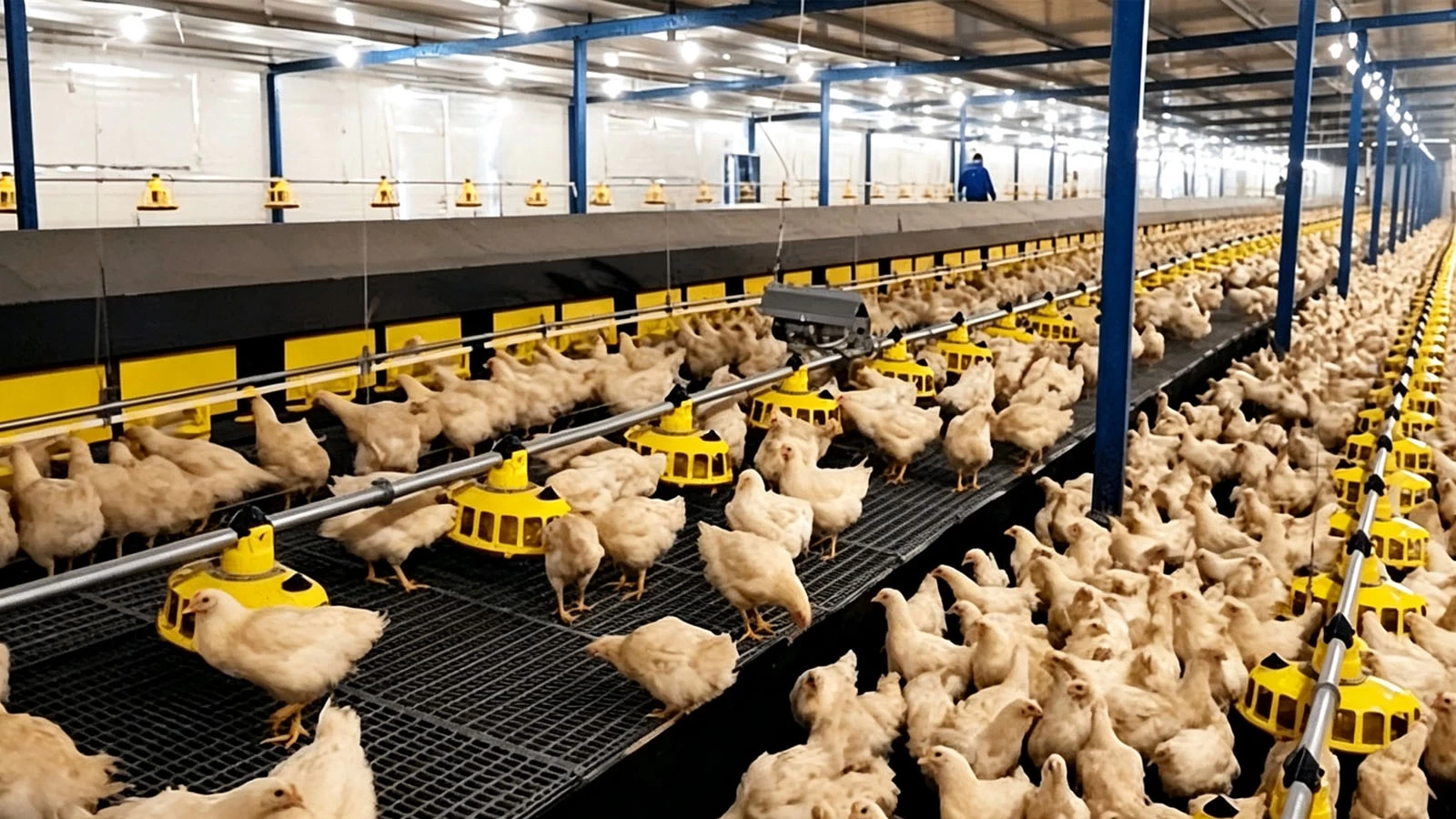
- Floor Systems: Birds roam freely on concrete floors covered with litter (such as rice hulls or wood shavings) or elevated plastic/slat flooring.
2. In-Depth Comparison across 4 Key Dimensions
1. Land Use & Stocking Density
- Cage Systems (Winner): By expanding vertically (3–12 tiers), cage systems achieve 3 to 5 times the stocking density per square meter compared to floor systems. This makes cages ideal for regions where land is scarce or expensive.
- Floor Systems: Constrained by floor area, these systems cannot expand vertically, requiring significantly more land and building space.
2. Automation & Labor Costs
- Cage Systems (Winner): Easily integrated with full automation (automated manure belts and egg collectors). A single operator can manage tens of thousands of birds, dramatically reducing long-term labor costs.
- Floor Systems: While feeding and watering can be automated, collecting floor eggs, managing litter quality, and clearing manure require more manual labor.
3. Disease Control & Sanitation
- Cage Systems (Winner): Complete separation between birds and their manure breaks the fecal-oral transmission pathway. This lowers the risk of coccidiosis and intestinal parasites and simplifies barn cleaning between batches.
- Floor Systems: Constant contact with litter and manure increases susceptibility to coccidiosis and respiratory issues during warm, humid seasons, demanding stricter biosecurity protocols.
4. Initial Investment & Animal Welfare
- Floor Systems (Winner): Lower upfront capital expenditure because there is no need for expensive automated cage systems, allowing faster initial cash flow. Floor housing also supports natural behaviors (scratching, dust bathing), aligning with "Cage-Free" consumer trends and premium market access.
- Cage Systems: High initial equipment costs (cages, automated manure/egg handling, climate controls). Restricted bird movement can also lead to footpad lesions or osteoporosis if not properly managed.
3. Comparison Matrix: Cage vs. Floor Systems
| Feature / Metric | Cage System | Floor System |
| Land Utilization | Extremely High (3–5x floor systems) | Lower (limited to floor area) |
| Initial Equipment Cost | High (requires automated cages) | Low (no expensive cages required) |
| Labor Efficiency | High (fully automated) | Moderate |
| Feed Conversion Ratio (FCR) | Higher (less energy wasted in movement) | Slightly Lower (higher activity levels) |
| Coccidiosis Incidence | Very Low | Higher |
| Egg Quality Characteristics | Low dirtiness, slightly higher micro-cracks | Higher dirtiness (floor eggs), lower crack rate |
 |
4. Decision Guide: Which System Fits Your Farm?
To select the right setup, align your decision with your bird type and market strategy:
- Commercial Layer Farms:
- Recommendation: Automated Cage Systems. Layers have long production cycles, making cages the most profitable option by saving land, reducing dirty/broken eggs, and minimizing feed waste.
- Broiler / Meat Production:
- Recommendation: Plastic Slat or Litter Floor Systems. Floor systems reduce breast blisters and footpad dermatitis in meat birds. However, if land is severely restricted, modern "vertical broiler cage" systems are becoming a popular alternative.
- Breeder Farms or Premium / Organic Markets:
- Recommendation: Floor Systems. Floor housing facilitates natural mating for breeders to improve fertility rates. For farms targeting organic or "Cage-Free" certified markets, floor systems provide necessary compliance to command premium retail prices.
Summary
There is no one-size-fits-all formula for choosing poultry housing. If capital is limited or you focus on broilers and welfare-certified eggs, choose a Floor System. If land is expensive and you aim for scale and efficiency, choose a Cage System.
Evaluating your resource constraints—whether it's land availability or capital—against local market demands will lead you to the most profitable choice for your farm.