

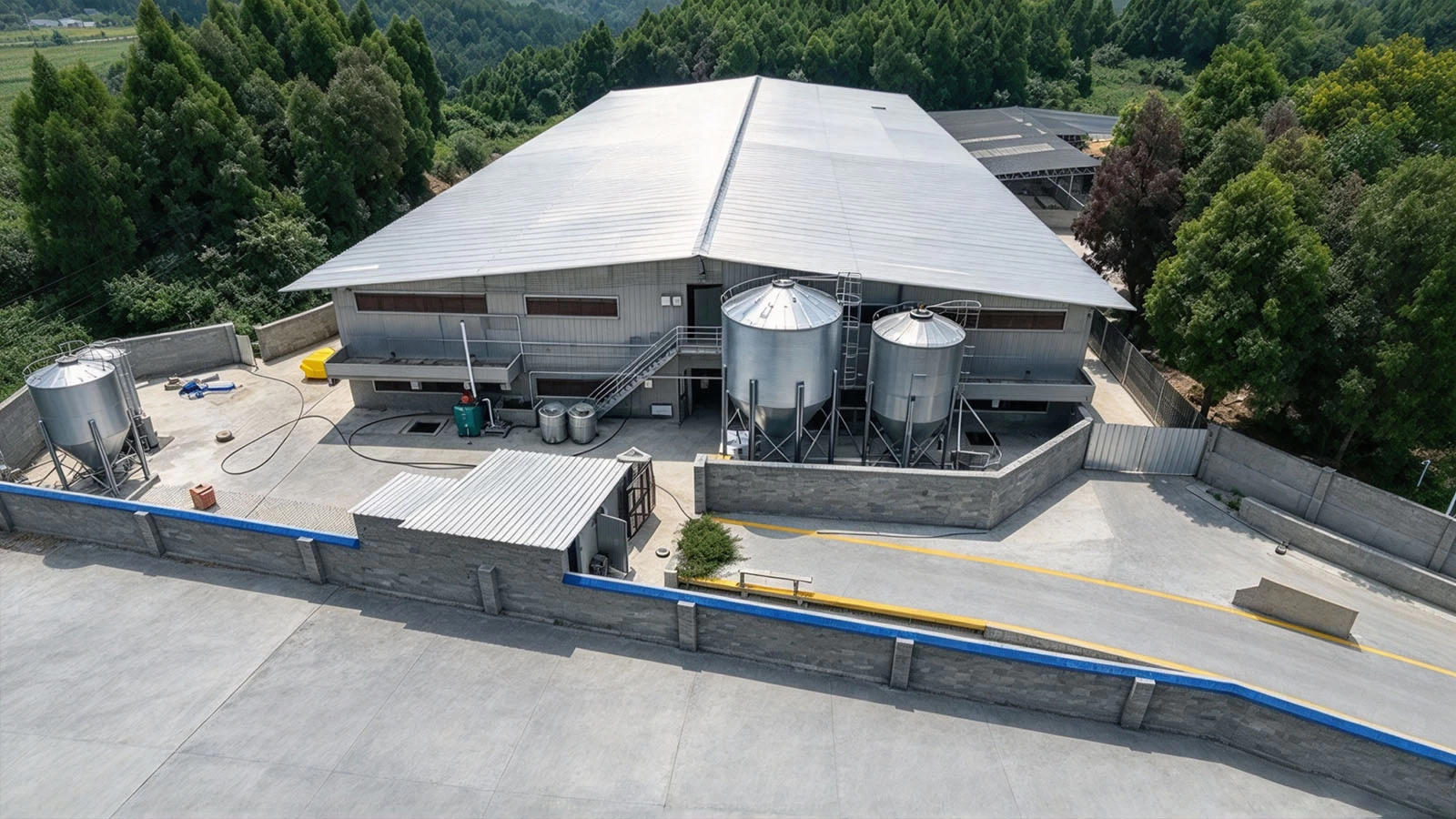
Extreme summer heat presents a major challenge for commercial poultry and swine production. High temperatures combined with high humidity cause heat stress, which severely compromises animal health, growth rates, and reproductive performance.
Installing a professionally engineered evaporative cooling pad system combined with negative pressure tunnel ventilation is the most cost-effective solution to combat heat stress in high-density livestock housing.
 |  |
1. The Hidden Cost of Heat Stress in Livestock
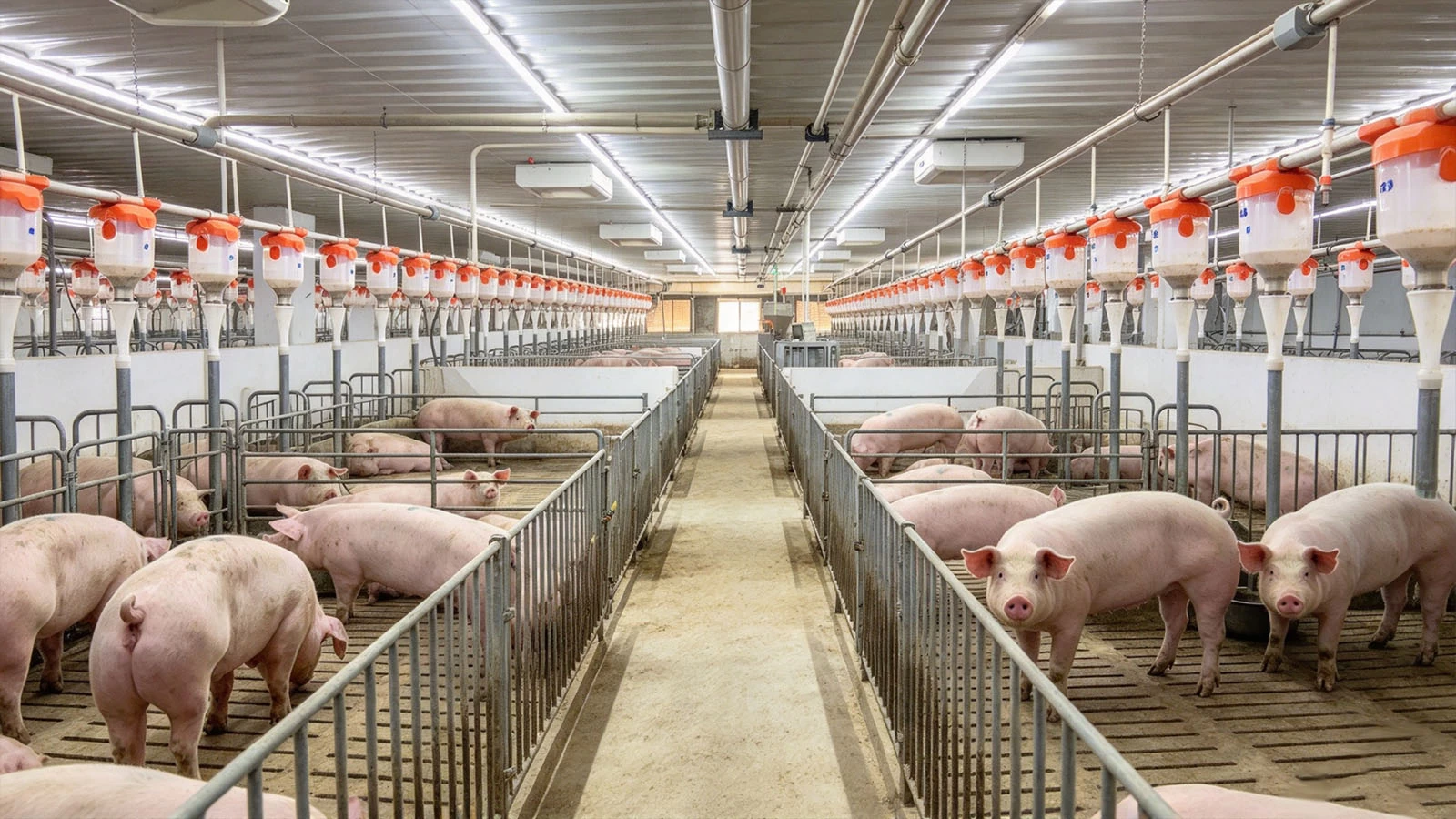
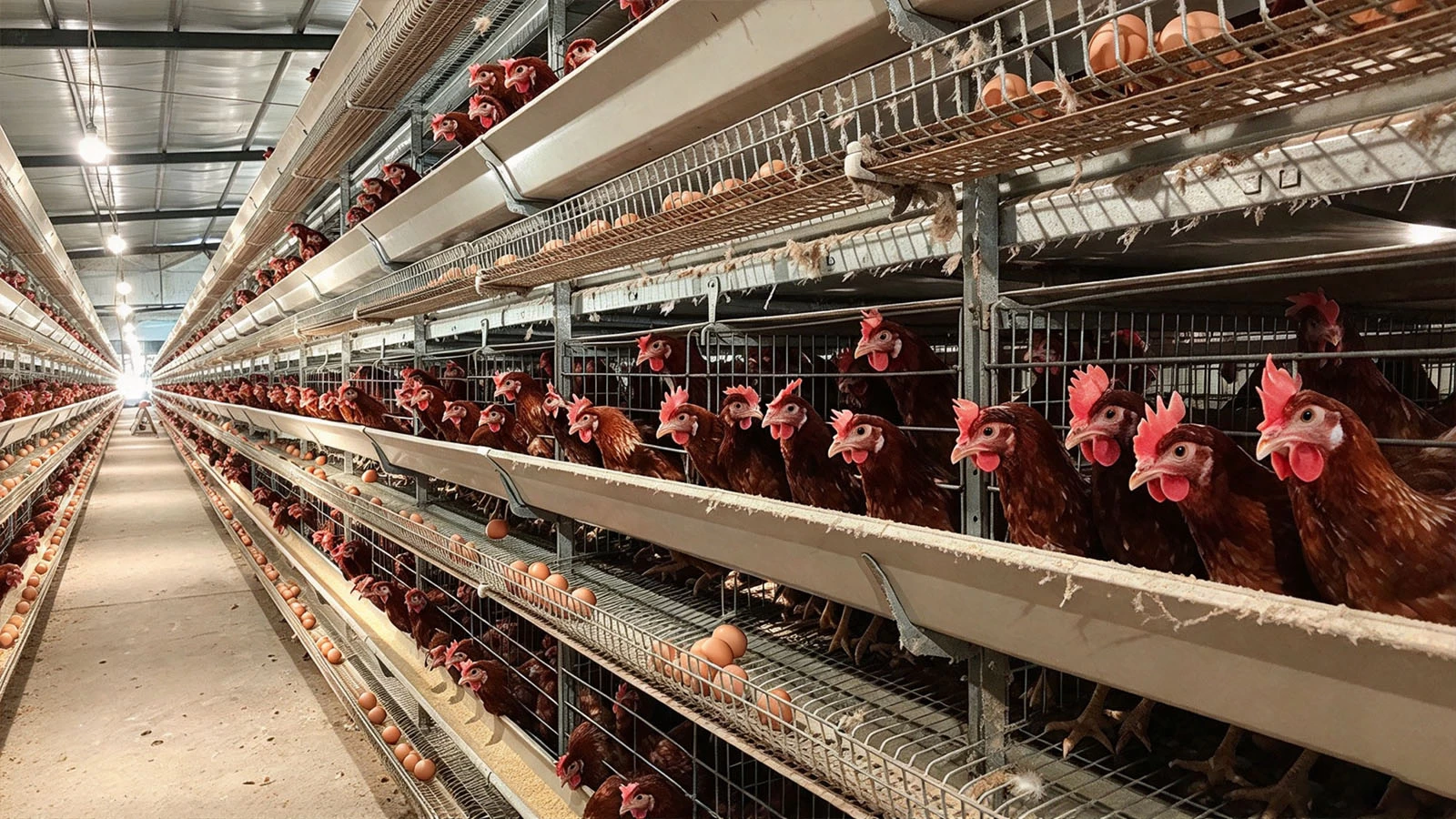
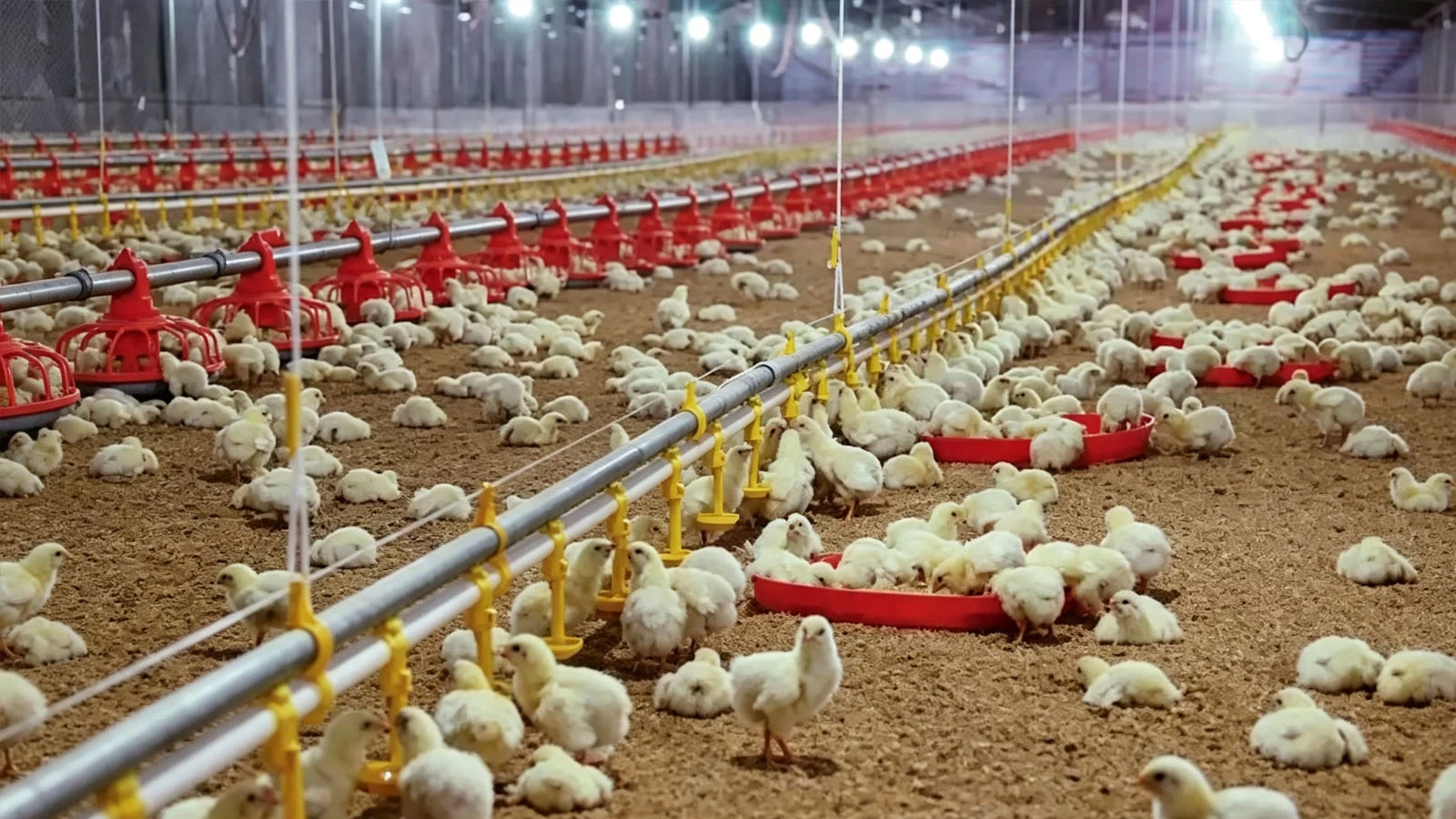
When ambient temperatures exceed the thermoneutral zone of animals (typically above 28°C for poultry and pigs), the following performance losses occur rapidly:
Decreased Feed Intake: Animals eat less to reduce metabolic heat production, resulting in slower weight gain and extended marketing cycles.
Drop in Egg Production & Quality: Laying hens subjected to heat stress produce fewer eggs with thinner, fragile shells.
Increased Mortality Rates: Severe heat stress can cause sudden death spikes in broiler flocks and finishing pigs.
2. How Evaporative Cooling Pads Lower House Temperatures
Evaporative cooling pads operate on the natural thermodynamic principle of water evaporation. As hot outdoor air is drawn through the wet cellulose pad structure by exhaust fans, water absorbs heat from the air to evaporate, significantly lowering the incoming air temperature.
5–10°C Temperature Drop: Depending on ambient humidity, a properly sized pad system can reduce indoor temperatures by 5°C to 10°C compared to outside air.
Enhanced Wind Chill Effect: Combined with high-velocity tunnel ventilation fans, the cooling effect feels even greater to the animals, maintaining comfortable microclimates.
 |
3. Key Maintenance Tips for Peak Summer Operation
To ensure your cooling pads deliver maximum airflow and heat removal when you need it most, follow these essential maintenance steps:
Monitor Water Quality: Maintain clean water with a neutral pH to prevent scale and mineral buildup inside the pad flutes.
Prevent Algae Growth: Use periodic, safe water treatment options or opt for black coated evaporative cooling pads that block algae penetration.
Inspect Distribution Pipes: Ensure water flows evenly across the top header of the pads to eliminate dry spots.
Protect your flock and swine herd this summer. Contact our technical support team to design a custom evaporative cooling pad system tailored to your building dimensions and local climate.