

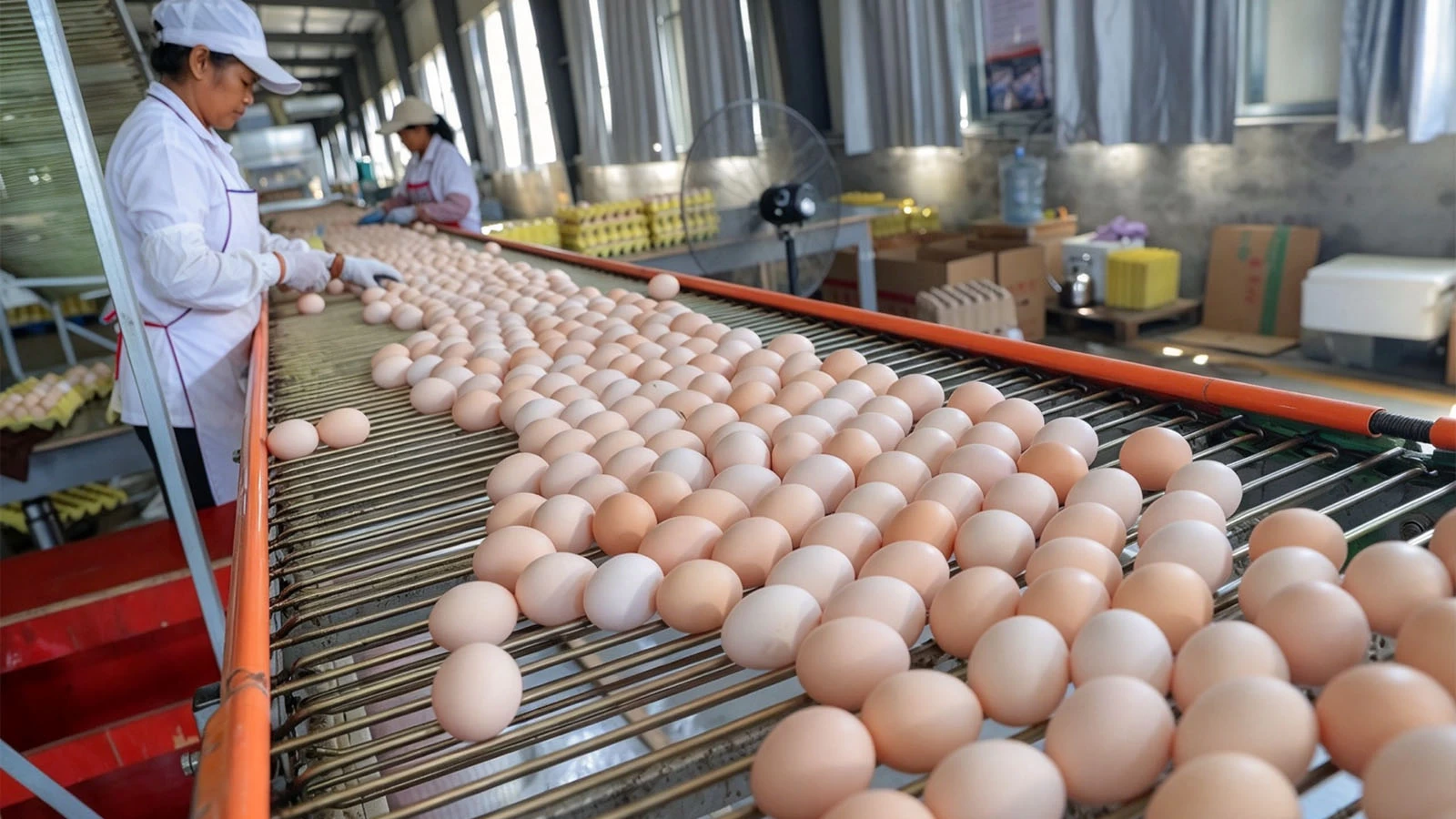
With the rise of smart agriculture, traditional livestock farming is undergoing a profound revolution. In egg production, achieving high yield and premium quality no longer relies solely on individual experience, but increasingly on the deep integration of digital technology and intelligent equipment.
To stand out in today's competitive egg market, understanding the modern poultry farm's "high-yield formula" is essential: Precision Feeding + Superior Air Pocket Environment + Smart Temperature Control = Peak Production Efficiency.
1. From "Experience-Based" to "Digital Feeding": The Revolution of Automated Feeding Systems
Feed accounts for over 70% of total egg production costs. How can every gram of feed be efficiently converted into high-quality eggs? Automated feeding systems provide the solution.
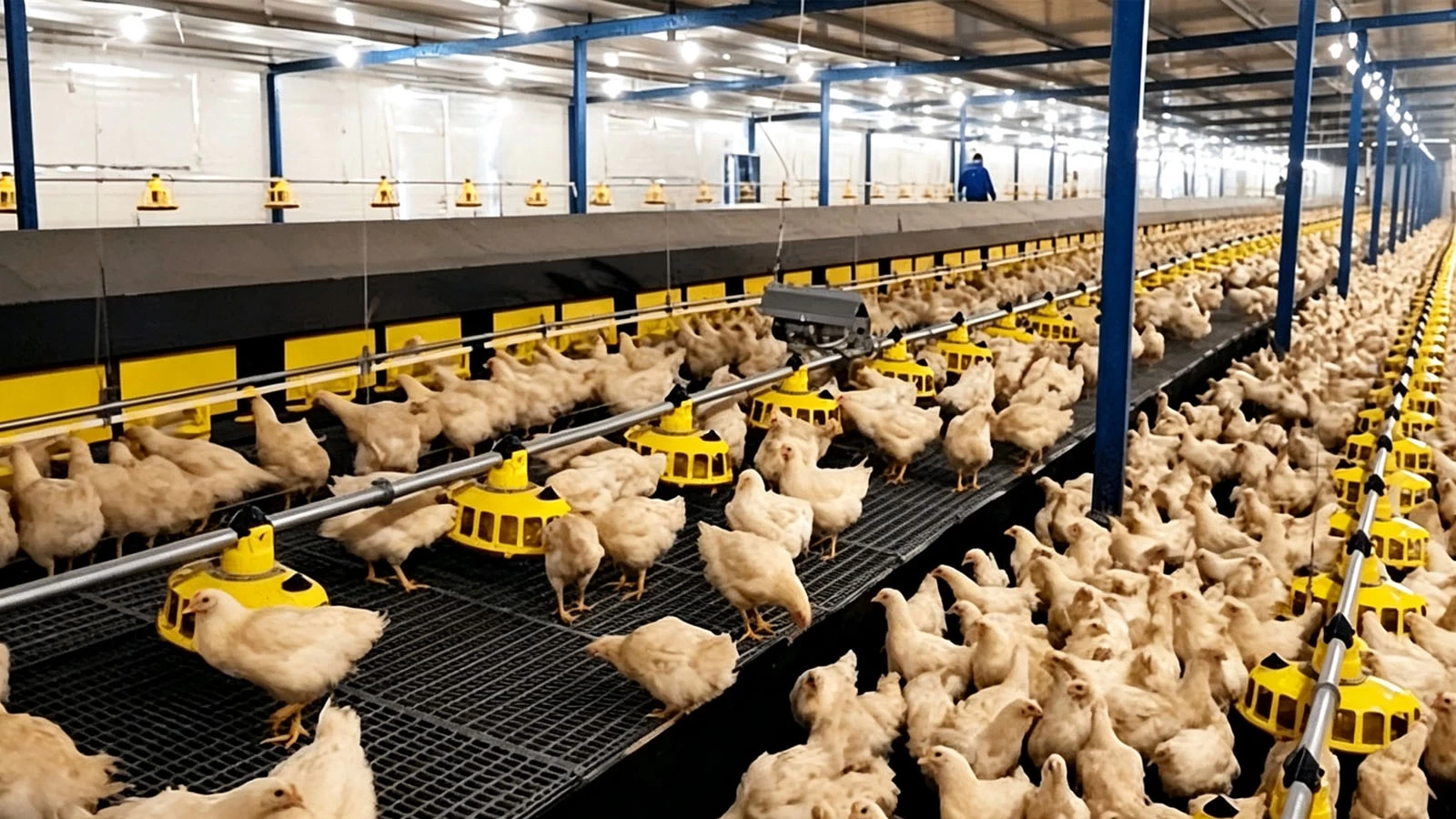
Precision Feed-to-Egg Ratio Control: Smart automated feeders precisely regulate feed volume and delivery frequency based on the nutritional needs of hens at different ages, minimizing feed waste.
Reducing Stress Responses: Manual feeding involves frequent human movement and high noise levels, which can startle hens, induce stress, and lead to irregular laying or thin-shelled eggs. Automated equipment operates smoothly and quietly, offering a serene, comfortable living environment.
2. Creating a "Breathing Poultry House": Precise Management of Air Pocket Quality
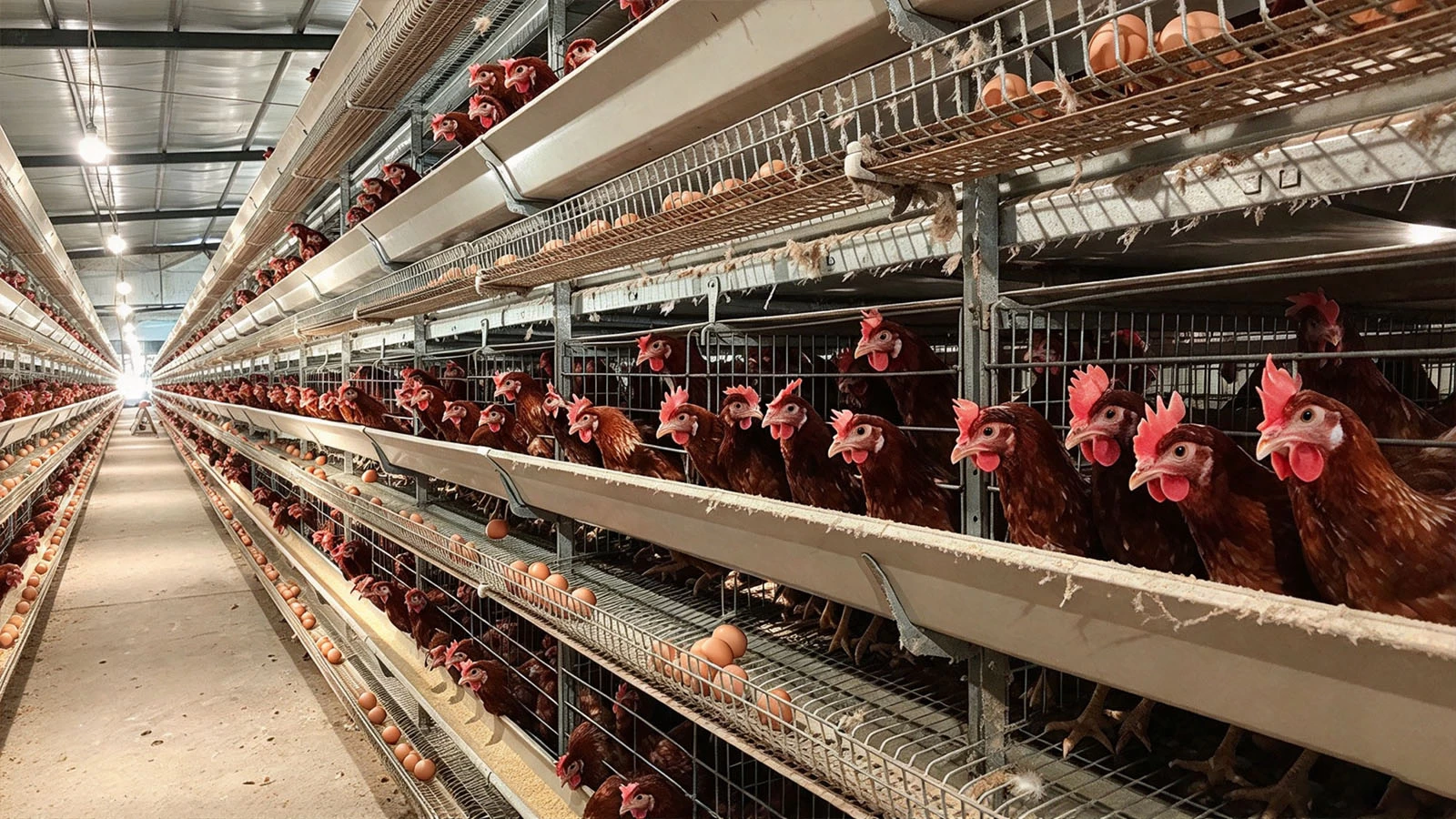
In modern multi-tier, high-density farming models, the "air pocket micro-environment" inside the poultry house directly determines flock health.
Smart Air Flow Organization: Modern poultry houses calculate airflow trajectories using air deflectors and smart inlets. Cold incoming air thoroughly preheats near the ceiling before gently descending to bird level, preventing cold drafts from causing respiratory chills.
Environmental Monitoring & System Integration: Equipped with ammonia, carbon dioxide, and humidity sensors, smart systems monitor air pocket quality in real time. If harmful gases exceed set limits, the system automatically increases ventilation rates to keep the air fresh and prevent pathogen growth at the source.
3. Breaking Seasonal Limits: Year-Round Production via Advanced Ventilation and Cooling
Climate fluctuations and summer heat waves have historically presented the biggest bottlenecks to egg production. By utilizing advanced ventilation and cooling equipment, farms can take full control of their indoor microclimate.
Variable Frequency Ventilation Technology: Exhaust fan activation and speed automatically adjust according to room temperature, seamlessly transitioning from minimum ventilation during transitional seasons to maximum wind-speed cooling in peak summer.
Evaporative Pad & Humidity Control: During hot and humid or hot and dry weather, smart controls match pad pump operating frequencies to cool the environment without over-humidifying, avoiding a "sauna effect" and keeping hens in their ideal thermal comfort zone (18°C to 23°C / 64.4°F to 73.4°F) for maximum egg production.
 |  |
Conclusion
The future of egg farming comes down to a competition of efficiency and cost control. Implementing automated feeding systems, precision air pocket management, and high-efficiency ventilation and cooling equipment frees up labor while establishing a controlled, stable, and high-yielding physiological environment. This is the true key to achieving high yields, consistent output, and strong returns in modern poultry farming.