

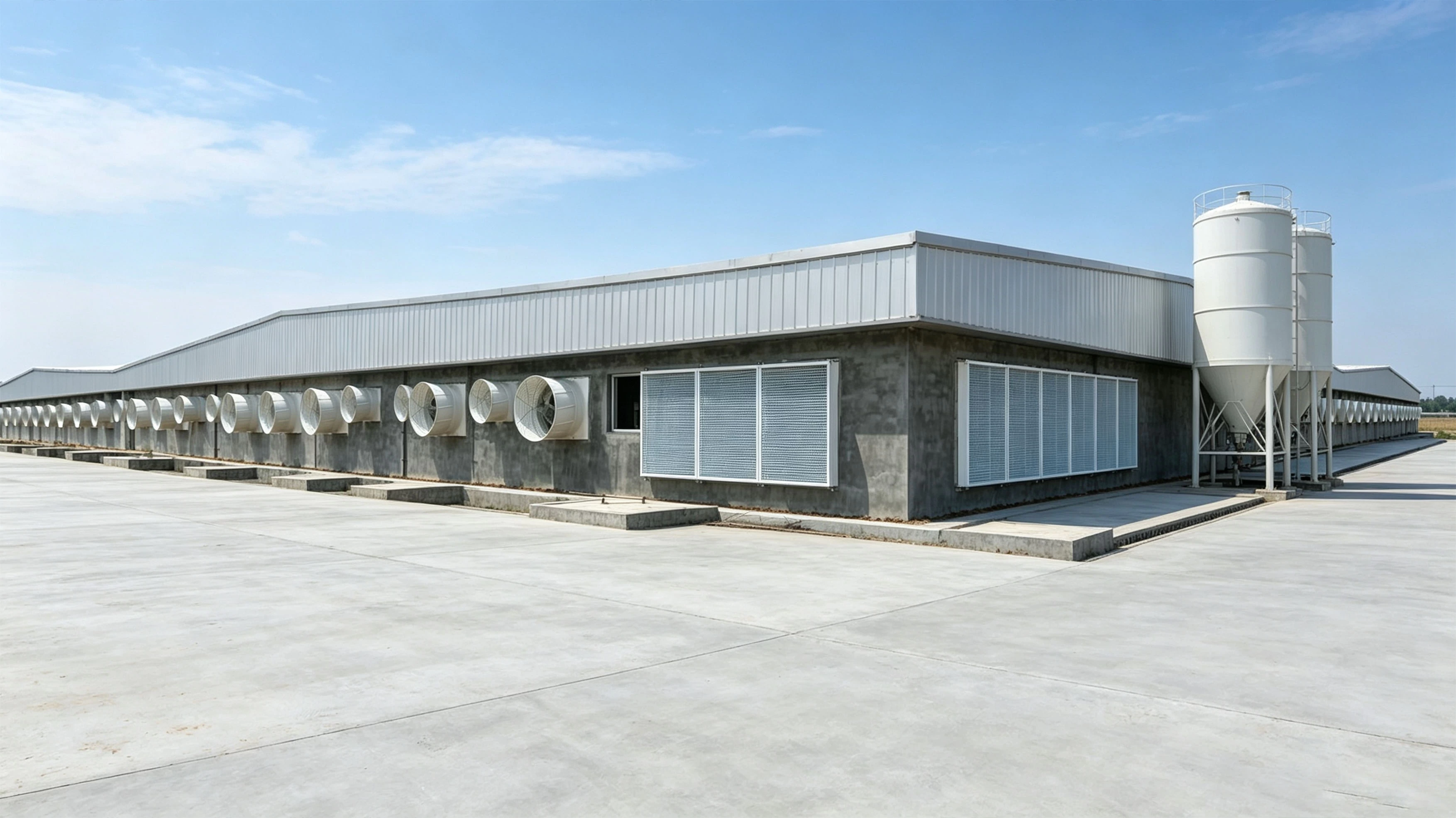
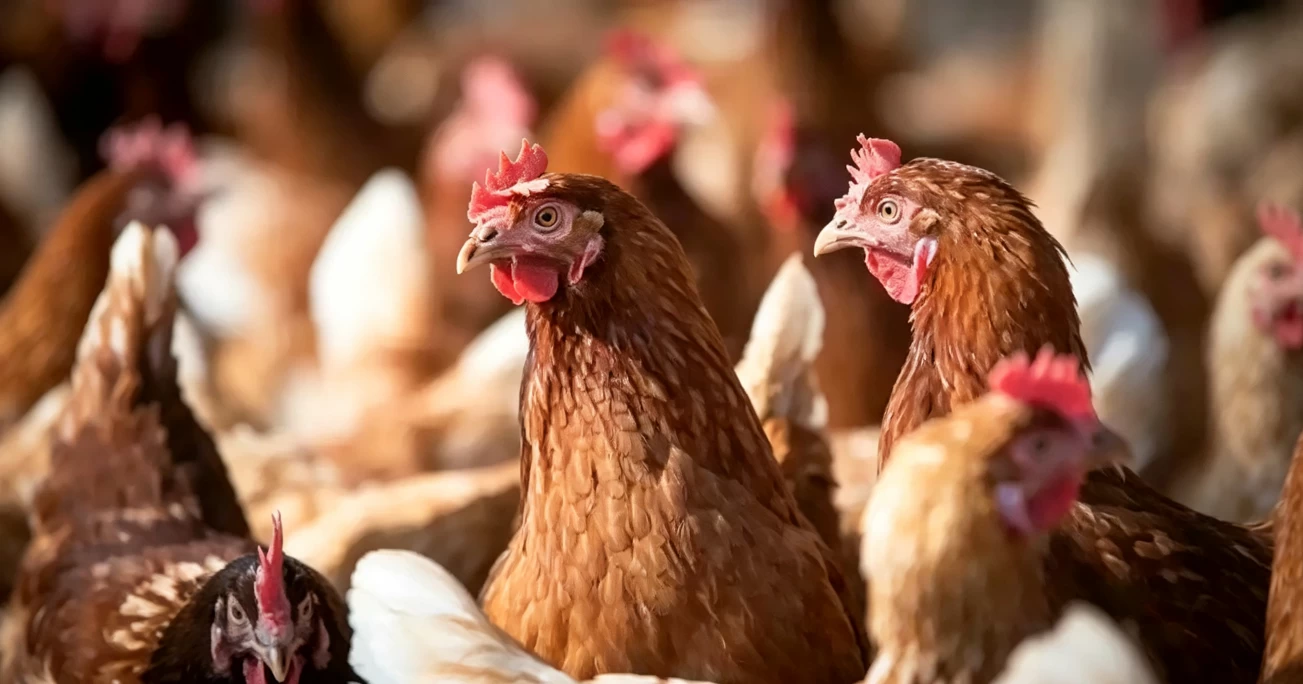
Dissipating excess body heat is a constant challenge for poultry. Due to their dense feather coverage, birds rely primarily on panting and respiration to shed heat. Through this process, they release large amounts of carbon dioxide into the barn environment while continuously excreting ammonia via manure.
When ambient temperatures and relative humidity rise above the bird's thermal-neutral zone, their natural ability to dissipate heat drops sharply, triggering poultry heat stress.
 |
Direct Consequences of Heat Stress in Poultry
Prolonged exposure to elevated temperatures leads to immediate performance and health setbacks:
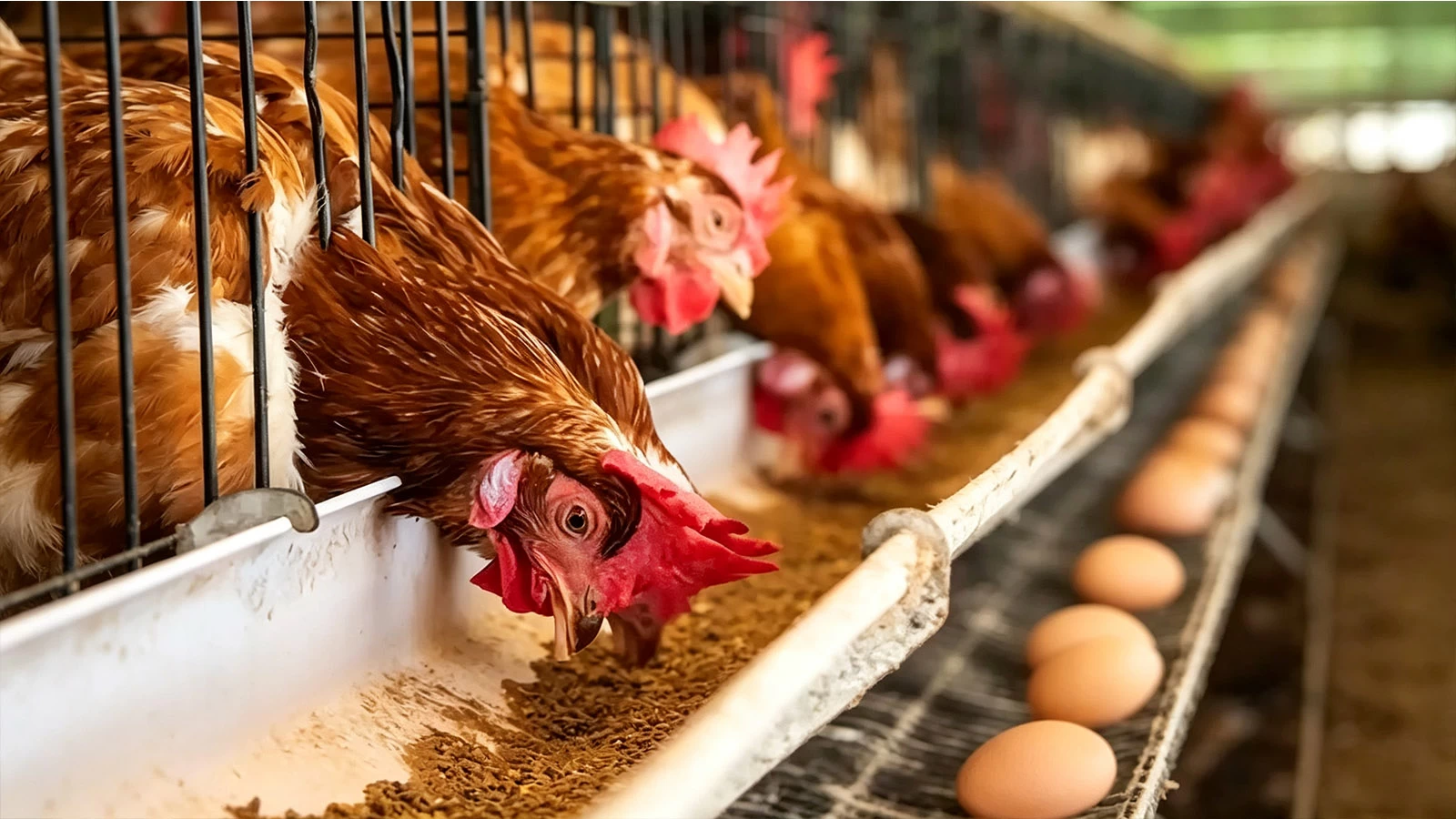
Increased Water Intake: Birds drink excessively to cool down, leading to wet manure and damp litter.
Decreased Feed Intake: Feed consumption drops significantly, starving birds of essential nutrients.
Reduced Laying Rate & Poor Egg Quality: Egg production slows down, resulting in thinner shells and lower egg weights.
Lower Male Fertility: Heat stress impairs reproductive performance in breeding flocks.
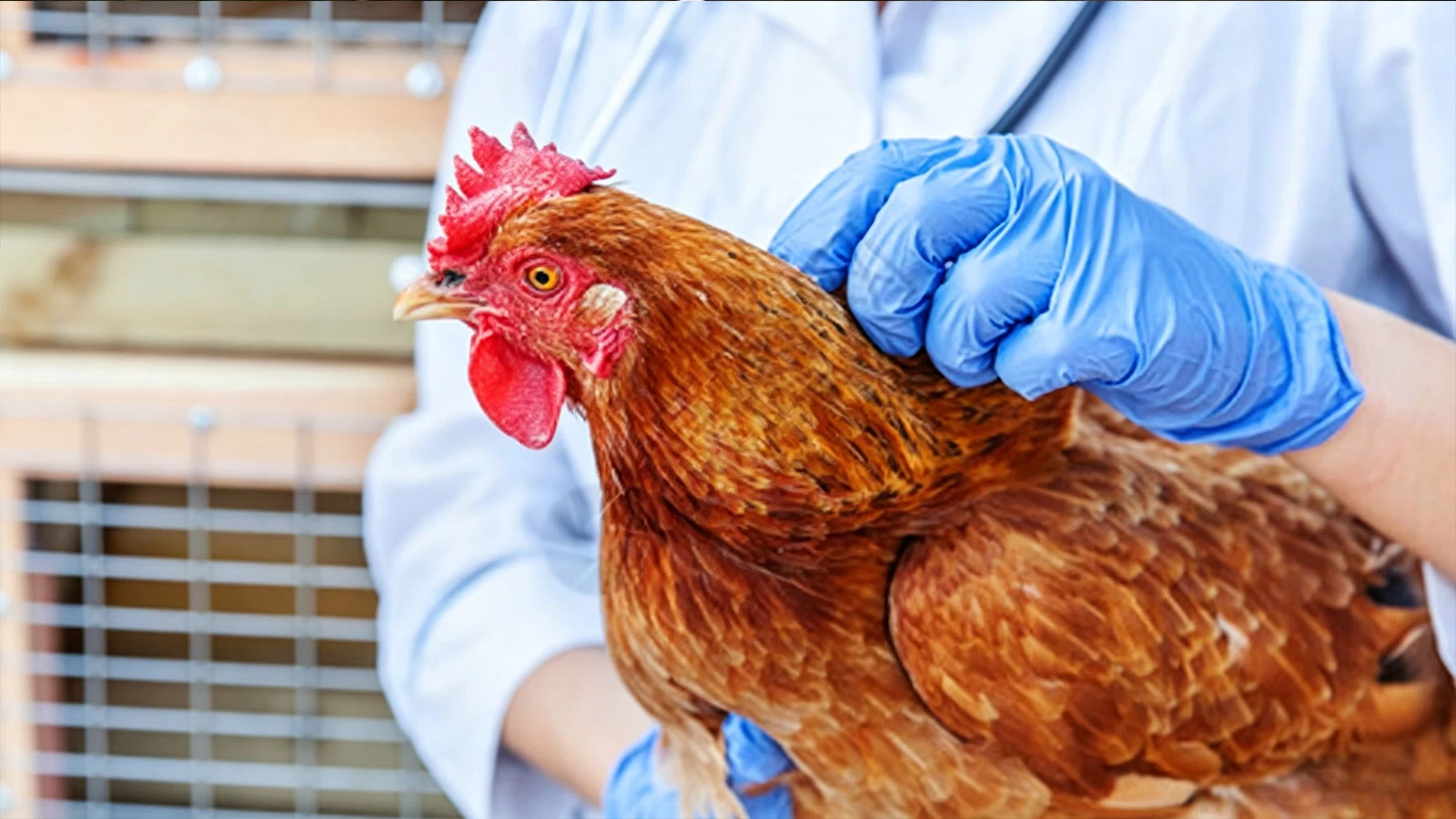
Spike in Mortality Rates: Severe thermal stress directly leads to high mortality if uncorrected.
 |  |
Key Components of an High-Efficiency Poultry Ventilation System
Implementing an effective poultry ventilation system enhances animal welfare while delivering tangible financial returns: improved Feed Conversion Ratios (FCR), faster weight gain, reduced mortality, and superior meat and egg quality.
A well-engineered mechanical ventilation system requires robust, precisely sized equipment tailored to your barn’s geometry:
Poultry Exhaust & Cone Fans: Rapidly remove hot, humid, and gas-laden air to force optimal air turnover throughout the house.
Air Inlets & Vent Doors: Regulate and uniformly distribute fresh incoming air, preventing cold drafts and dead zones.
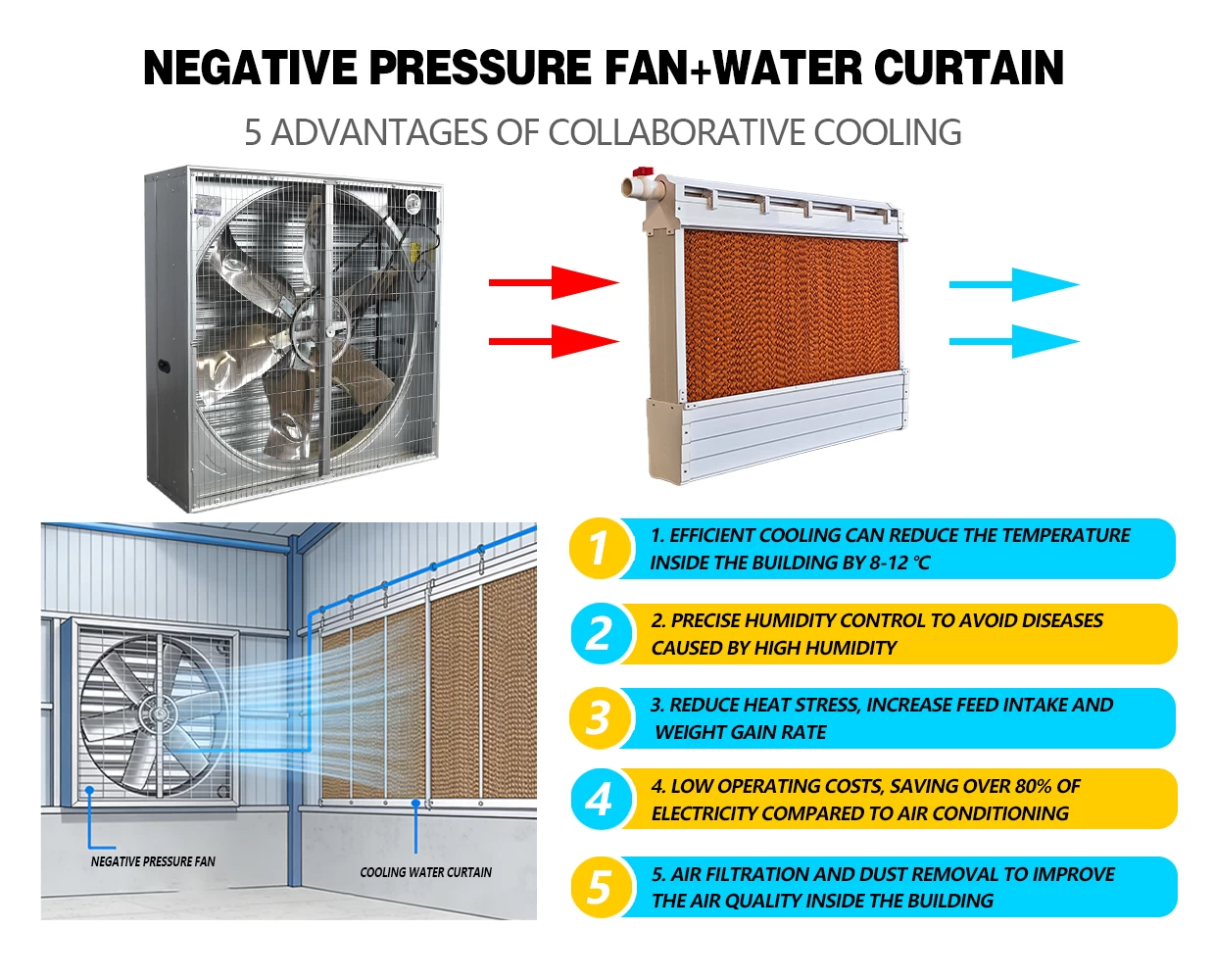
Evaporative Cooling Pad Systems: Provide high-efficiency cooling when integrated with modern tunnel ventilation systems, drastically reducing incoming air temperatures.
 |
Conclusion
Every component plays a vital role in maintaining the ideal microclimate balance inside the barn. Investing in heavy-duty, high-performance climate control machinery ensures long-term operational reliability and maximum farm yield.