
Quality Standards, Operational Best Practices & Maintenance Protocol for Evaporative Cooling Pads
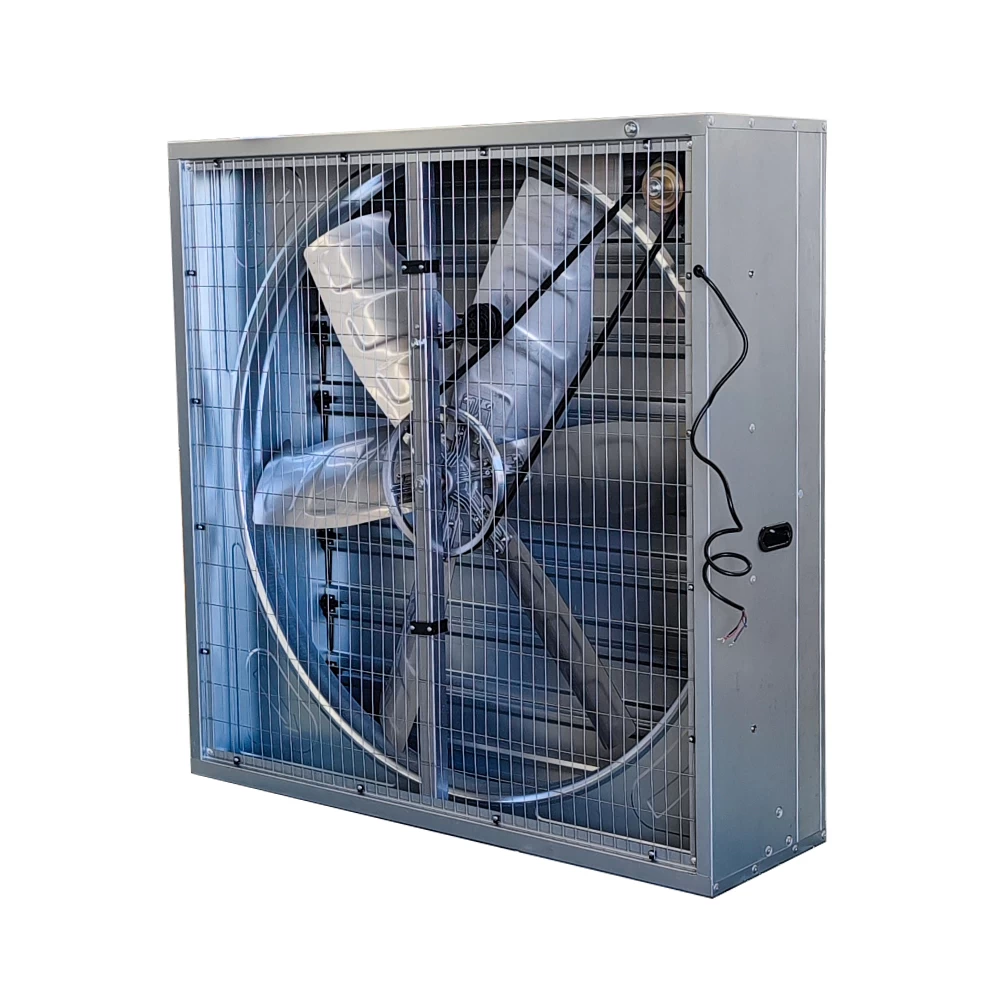
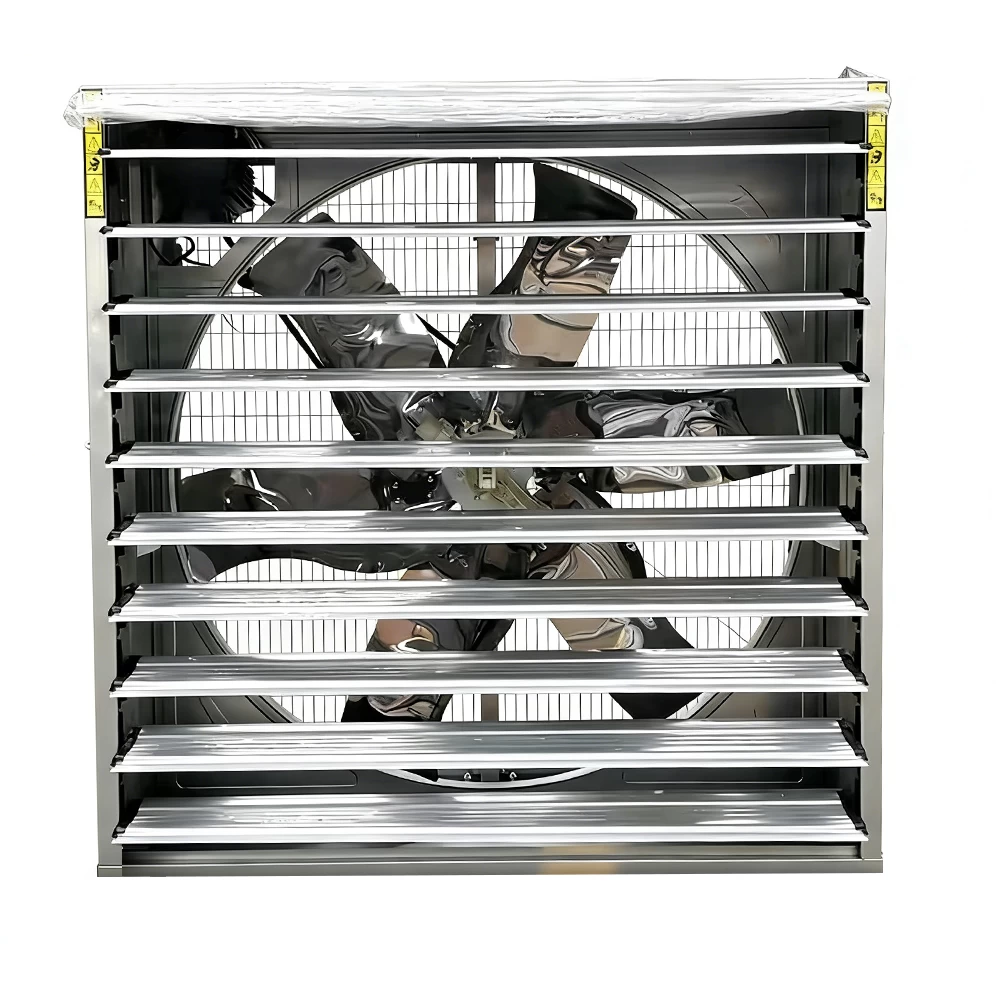
As a dedicated manufacturer with a rich history originating in high-performance evaporative cooling pad production, we have witnessed firsthand how climate control technology directly governs livestock productivity. Over the years, as our product portfolio expanded to include industrial exhaust fans and high-strength feed silos, our founding philosophy has remained unchanged: Precision environmental control is the bedrock of optimal Feed Conversion Ratio (FCR) and flock/herd health.
In tropical and subtropical climates across Southeast Asia and beyond, the Evaporative Cooling System is the primary defense against heat stress. However, poor-quality cooling pads or improper management can reduce cooling efficiency by over 30% and drastically shorten equipment lifespan.
Benchmarked against the world’s top industry standards and drawing from years of engineering refinement, we have prepared this comprehensive technical guide to assist you in optimizing your ventilation and cooling infrastructure.
I. Four Critical Quality Standards of Premium Evaporative Cooling Pads
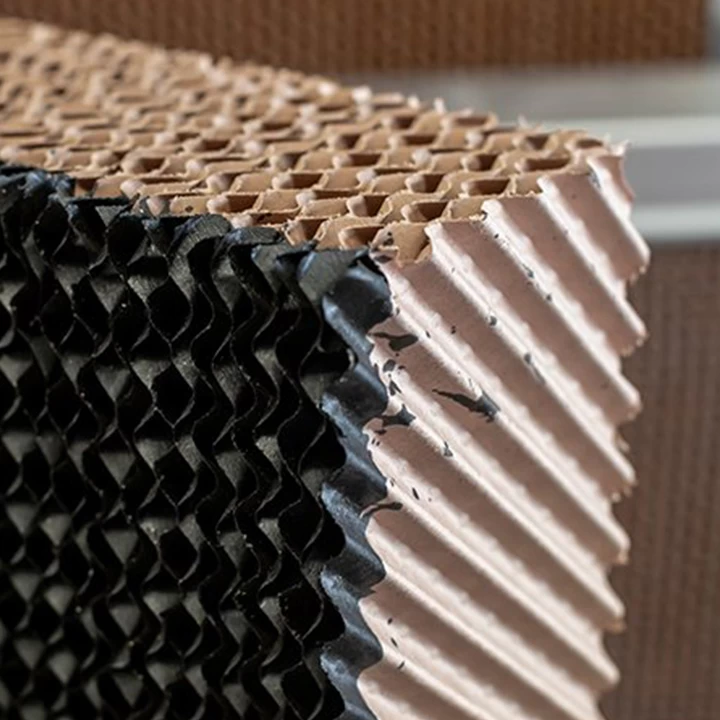
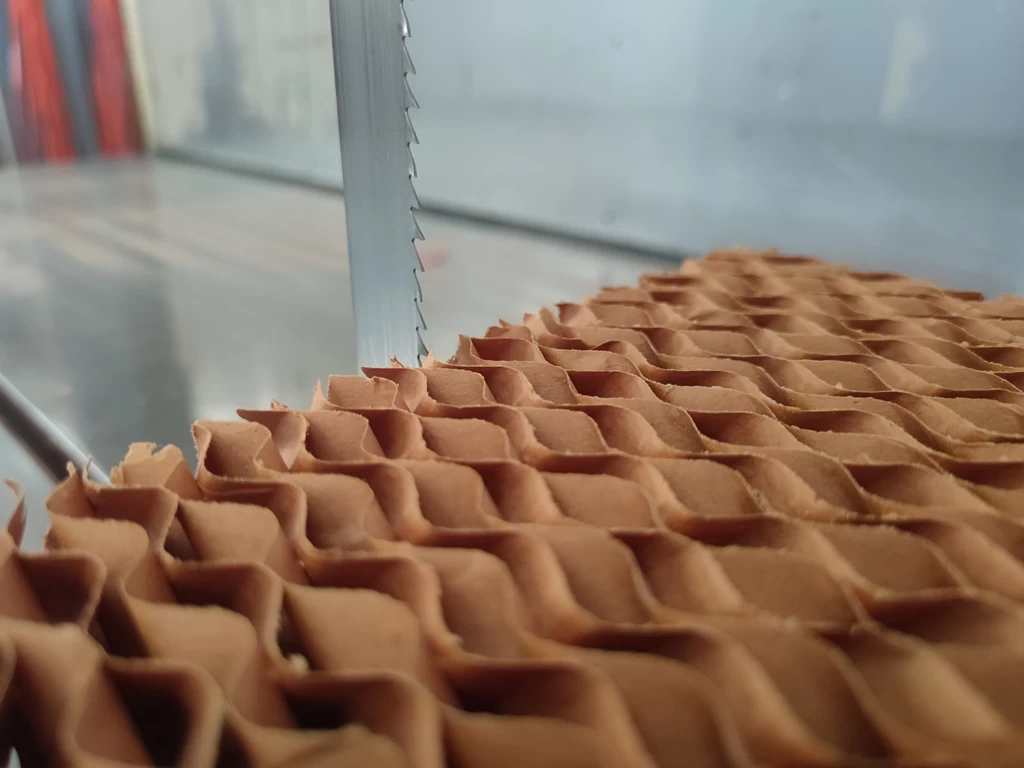
Evaluating the structural integrity and thermal performance of an evaporative cooling pad requires evaluating three key parameters: flute geometry, resin impregnation, and fluid dynamics.
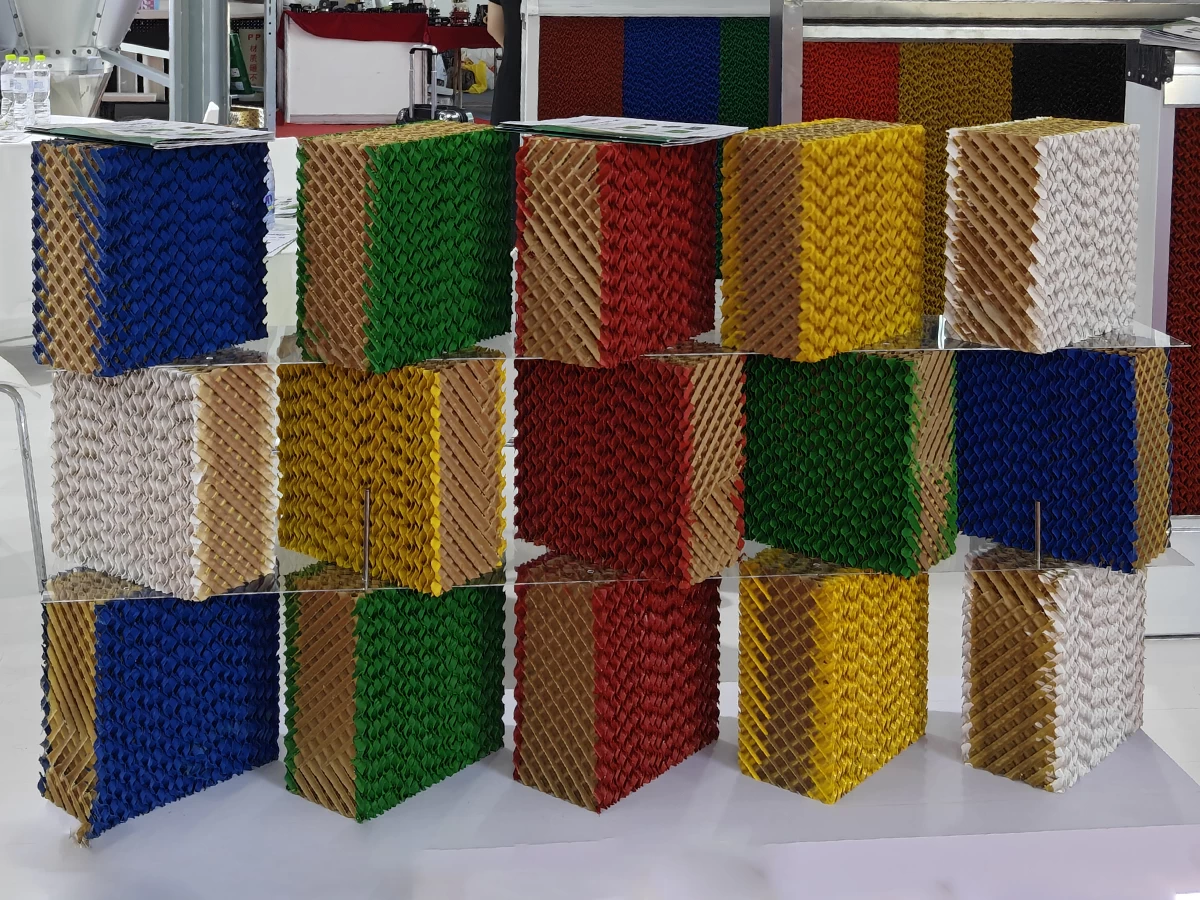
Kraft Paper Substrate & Phenolic Resin Impregnation
The Standard: Manufactured using virgin wood-pulp Kraft paper, cross-linked with specialized water-soluble phenolic resins.
Function: Premium resin saturation provides high structural rigidity (self-supporting) and prevents soft-rot or collapse under continuous saturation. High-purity wood pulp ensures rapid, uniform water absorption.
Flute Geometry & Aerodynamic Design
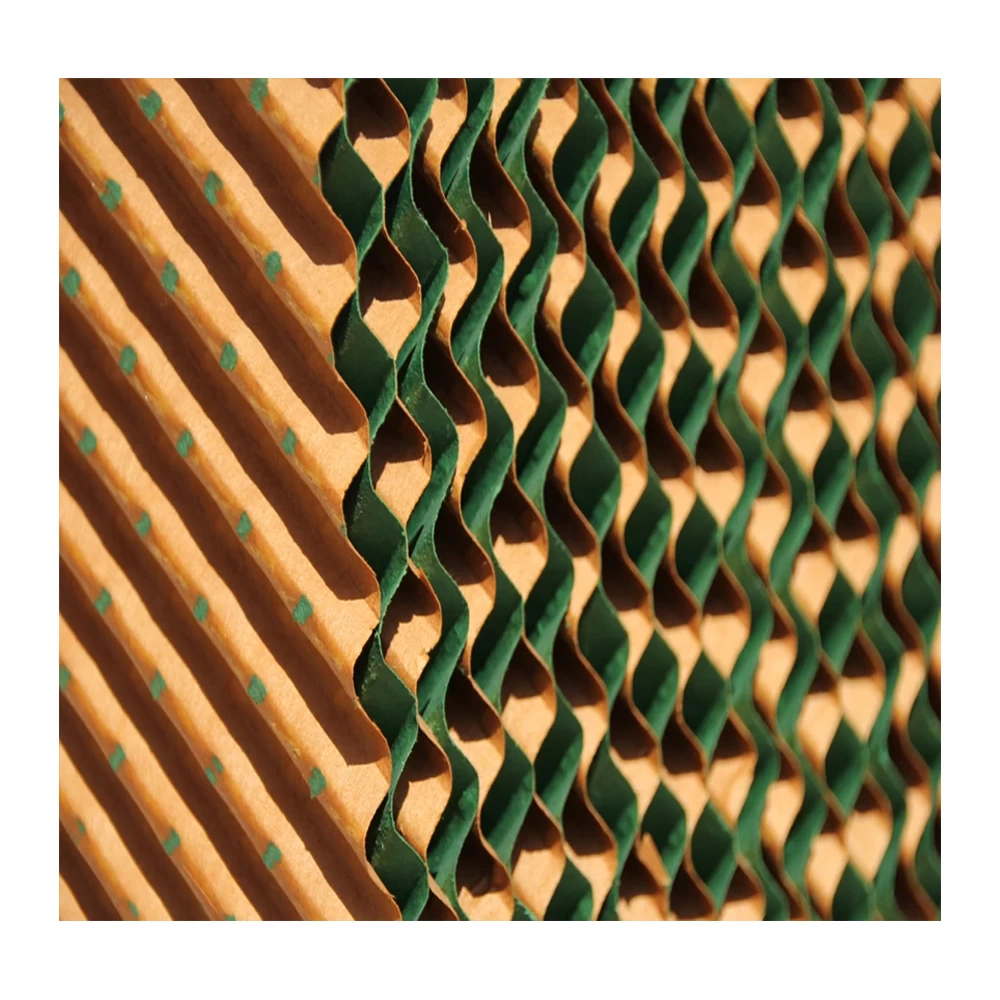
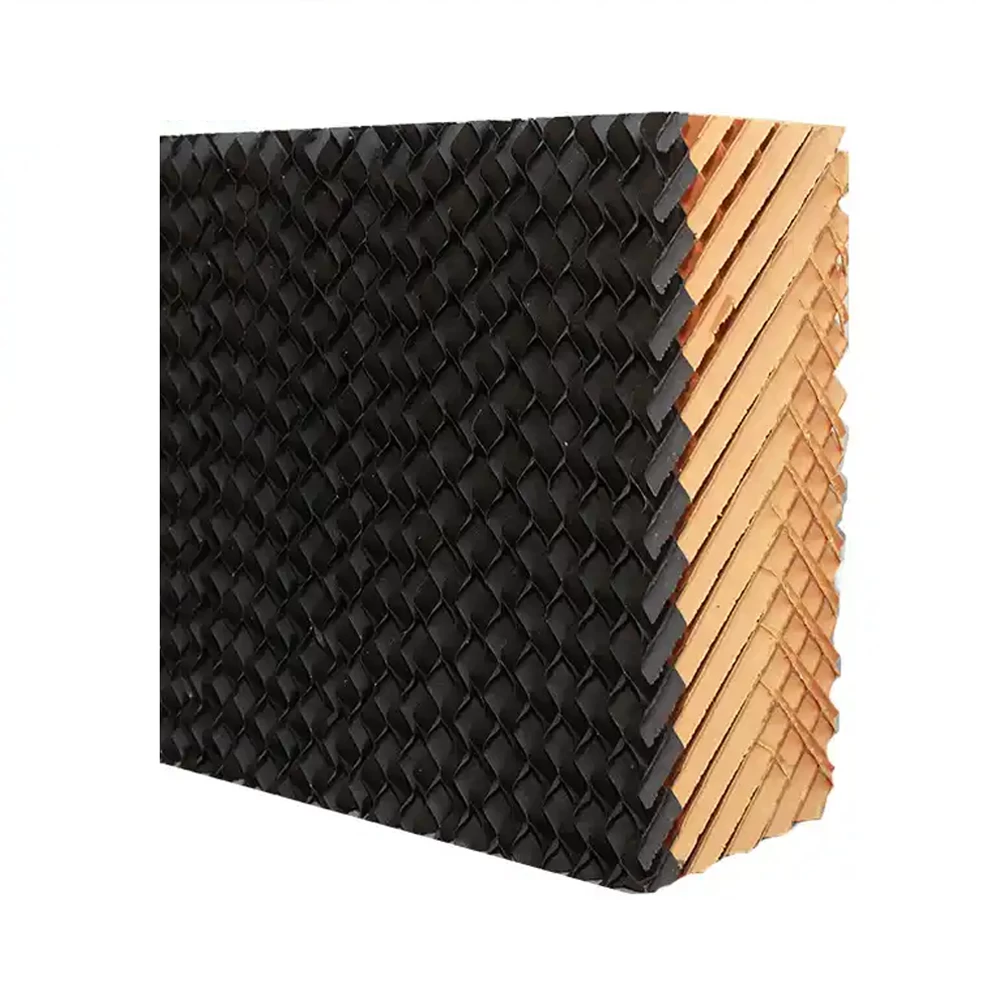
The Standard: The industry-gold standard configuration uses unequal angle flutes—typically 45° × 45°.
Function: This asymmetric design maximizes evaporative surface area while keeping static pressure drop ($\Delta P$) to an absolute minimum. The steep 45° outer flute angle directs water flow toward the outside wall, preventing water droplets from being drawn into the house by high-velocity tunnel airflow.
Evaporative Efficiency & Edge Protection Coating
The Standard: Achieves 65% – 85%+ evaporative efficiency at a face velocity of $1.5\text{ m/s}$ ($300\text{ fpm}$).
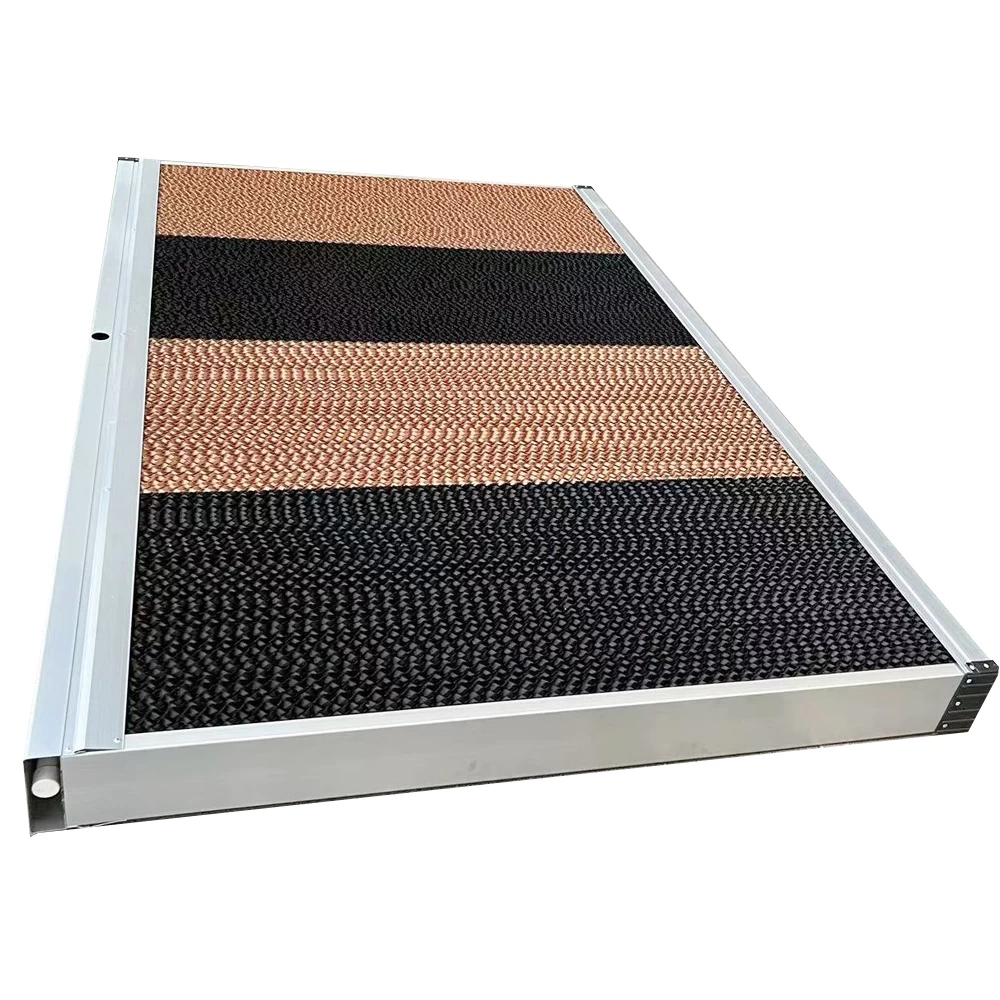
Function: Advanced exterior black/green edge-coating option shields the pad face from direct UV rays, inhibits algae infestation, and allows for safe mechanical washing.
Biosecurity & Chemical Safety
The Standard: Zero free-formaldehyde emissions and non-toxic, odor-free resin curing.
Function: Ensures circulating water carries no chemical leachates that could compromise poultry or swine respiratory systems.
II. Livestock Operational Standards & Control Strategies
Effective evaporative cooling requires precise synchronization between temperature, relative humidity (RH), and air velocity:
1. Temperature & Relative Humidity (RH) Thresholds
Activation Temperature: Water flow over pads should typically initiate only when internal house temperatures reach 28°C (82.4°F) or above.
RH Limit: If ambient relative humidity exceeds 85%, water flow to pads must be paused or closely modulated. Evaporative cooling relies on the air's moisture-absorption capacity; adding water under extremely humid conditions only elevates enthalpy (heat index) without lowering the dry-bulb temperature, exacerbating heat stress.
Intermittent Cycle Operation: Use automated timer controls to cycle water pumps on and off. Maintaining a "damp-not-flooded" pad face prevents excess water weight from blocking airflow paths.
2. Face Air Velocity & Static Pressure Matching
Optimal Air Velocity: Air velocity passing directly through $150\text{ mm}$ ($6\text{-inch}$) pads should be maintained at $1.0 \text{ to } 1.5\text{ m/s}$ ($200\text{–}300\text{ fpm}$).
Too fast ($> 2.0\text{ m/s}$): Causes water carryover (misting inside the shed).
Too slow ($< 0.8\text{ m/s}$): Results in insufficient heat exchange and uneven cooling.
Static Pressure: Monitor static pressure across the pad wall regularly to ensure fans operate within their optimal performance curve.
III. Preventative Maintenance Protocol for Extended Service Life
Proper maintenance can extend pad service life by 2 to 3 years while retaining peak cooling efficiency:
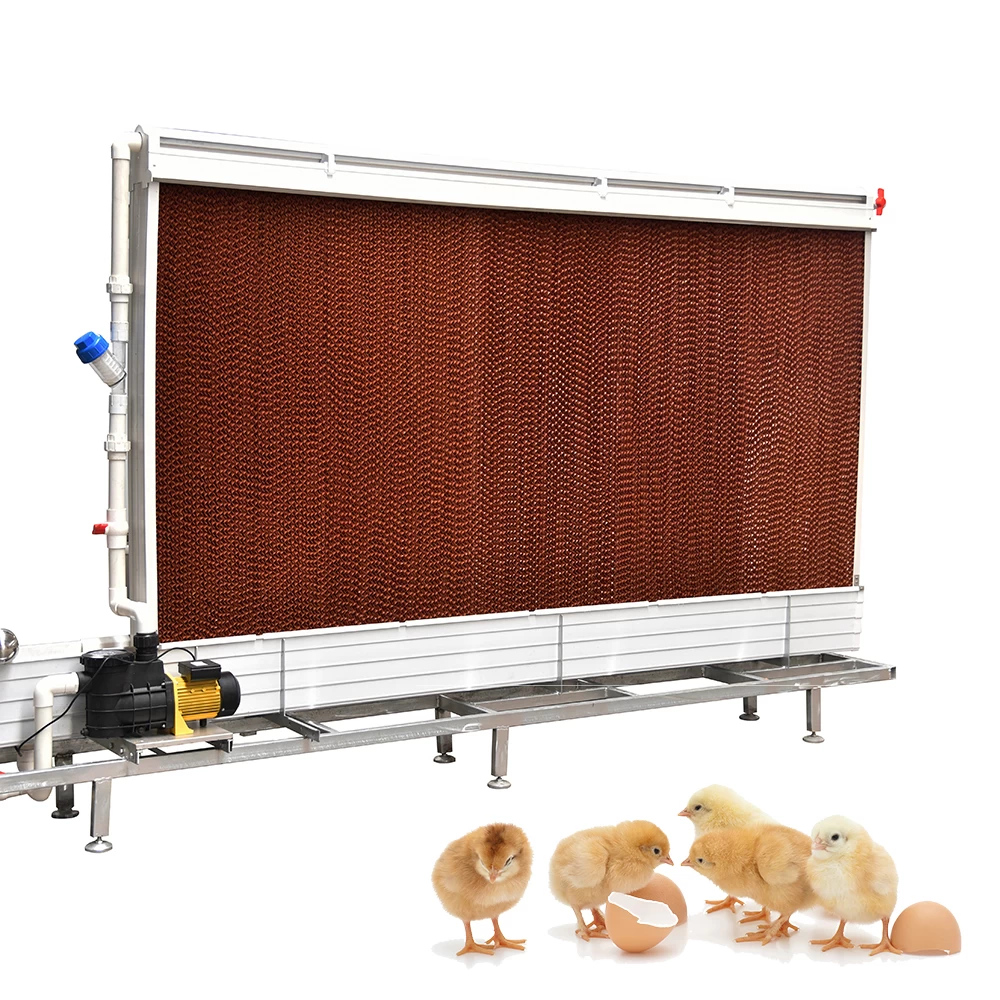
IV. The Direct-Factory Advantage: Quality Meets Economics
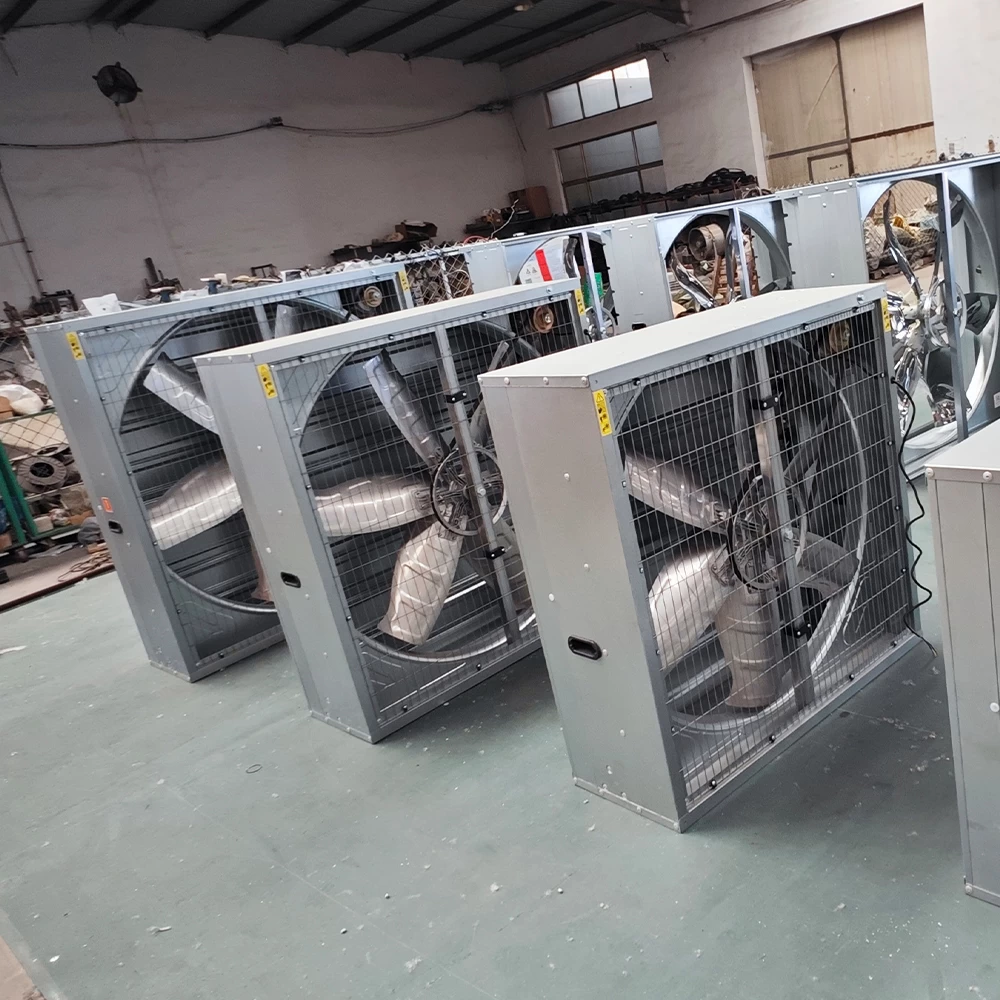
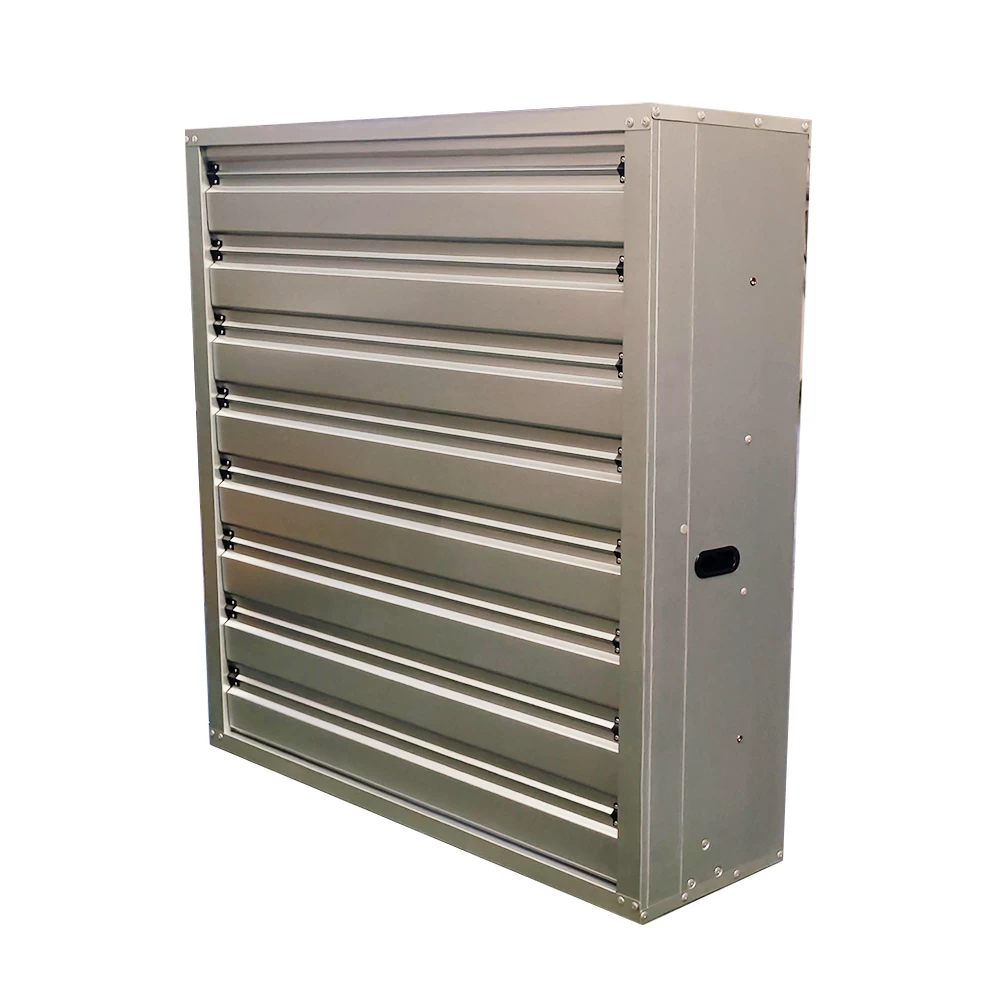
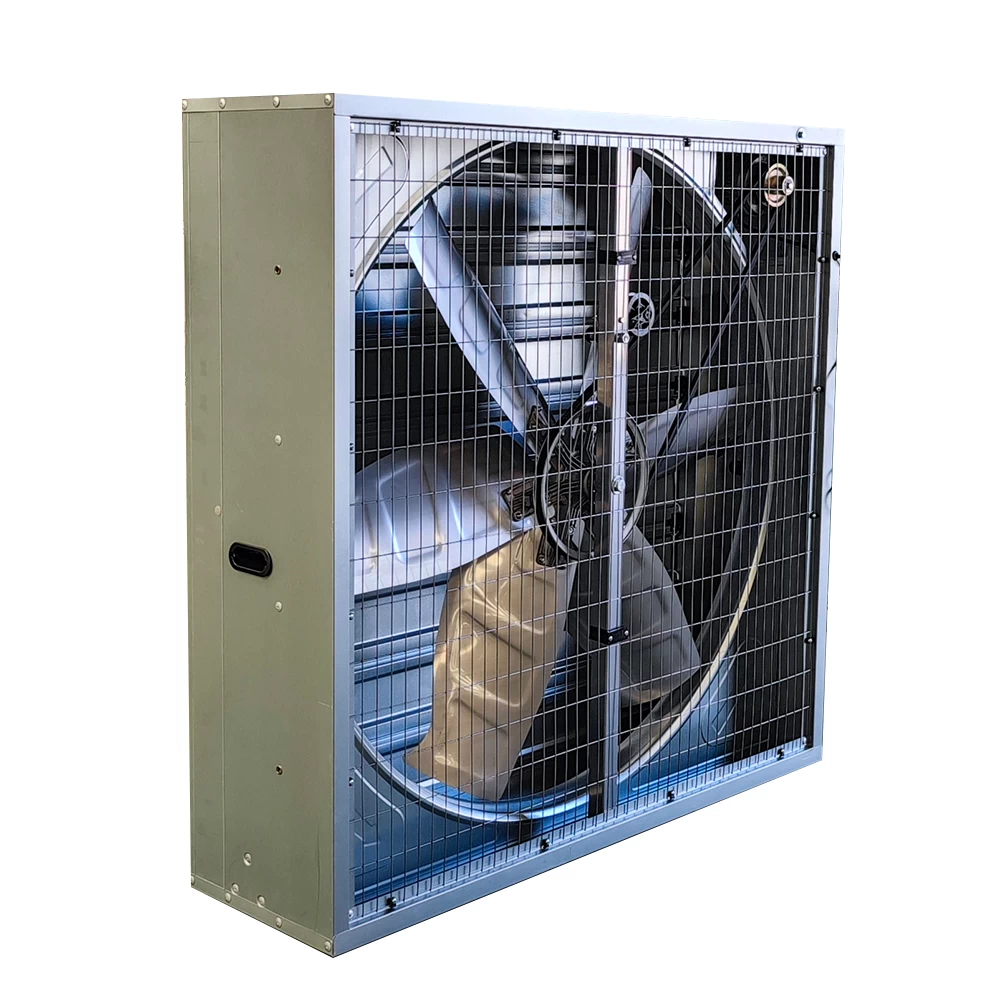
Starting as a specialized cooling pad manufacturer, our engineering team mastered fiber matrix resin formulations before expanding into matching industrial exhaust fans and galvanized feed silos. This gives us a unique advantage in engineering total climate and storage solutions:
Why Partner With Us?
Tier-1 Performance Benchmarks: Our evaporative pads meet or exceed top-tier international standards 6 in structural strength, water absorption rate, and evaporative efficiency.
Unmatched Factory-Direct Pricing: As the original manufacturer serving major livestock integration groups across Southeast Asia, we eliminate distributor markups—offering superior product longevity at significant cost savings.
System-Wide Integration: We understand how pad air resistance affects fan CFM output and how humidity levels impact feed storage inside silos. We don't just sell components; we optimize your farm’s complete microclimate.