
How Alternative Poultry Feeds and Advanced Silo Storage Cut Farm Costs
The global poultry industry is undergoing a massive shift. In recent years, climate-driven weather volatility and supply chain disruptions have sent the prices of traditional feed ingredients—mainly corn and soybean meal—skyrocketing. Since feed accounts for 60% to 70% of total poultry production costs, farm owners and livestock equipment distributors are actively seeking alternative solutions to maintain profitability.
From drought-tolerant grains to insect proteins, the era of alternative poultry feed is officially here. However, switching to these new feed types brings a major hidden challenge: preservation.
Here is a look at the latest trends in sustainable poultry feeds and why upgrading your poultry feed storage silo is critical to unlocking their full financial benefits.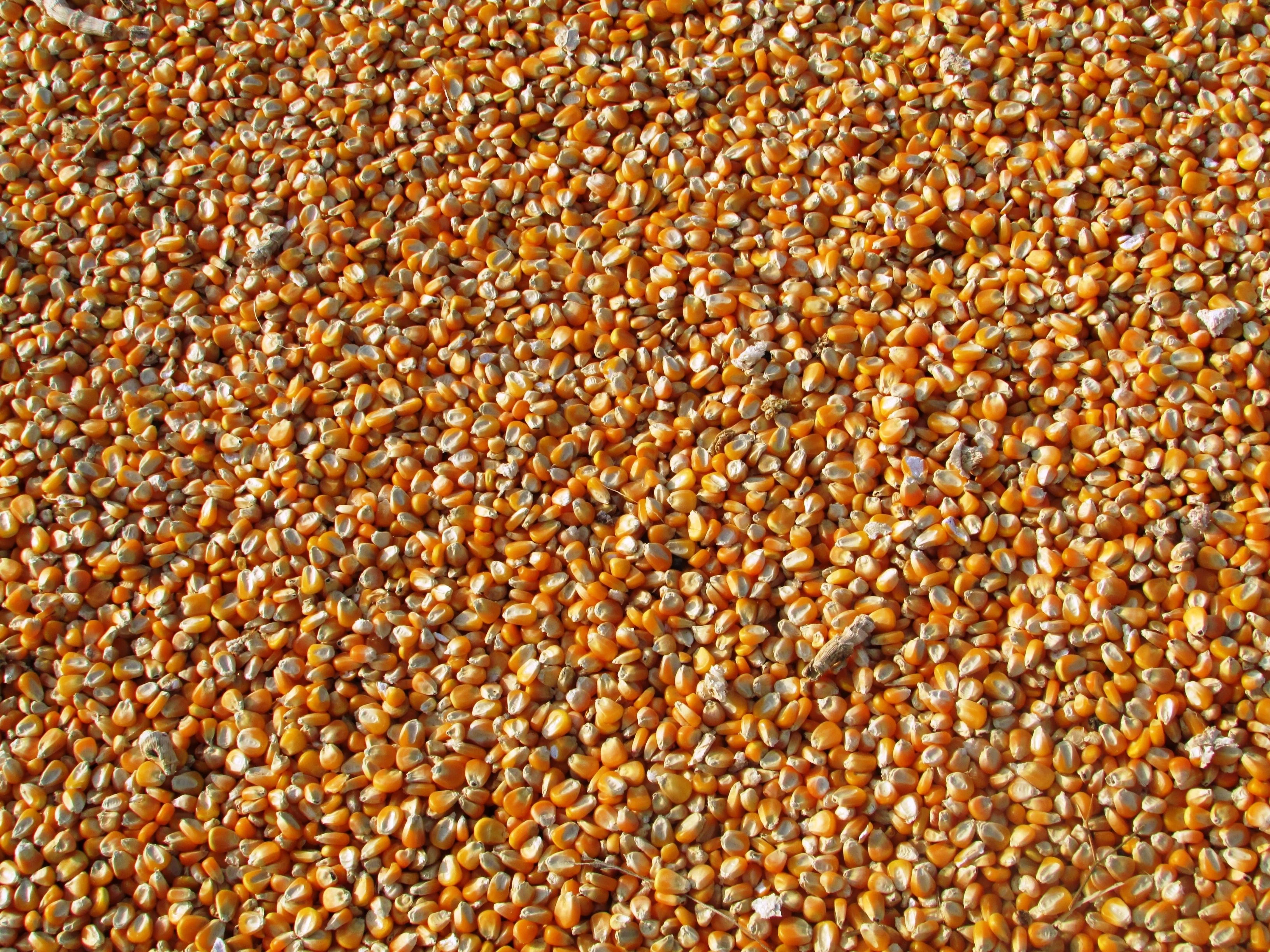
1. The Rise of Alternative and Sustainable Feeds
To reduce dependency on costly imports, global poultry nutrition has pivoted toward "local resources first" and alternative ingredients.
Drought-Tolerant Grains: Sorghum, millet, and cassava are replacing corn in arid regions. They require significantly less water to grow, lowering the carbon footprint of the farm.
Agricultural By-Products: Processing waste from local food industries—such as rice bran, wheat middlings, and distiller's dried grains with solubles (DDGS)—are being formulated into high-quality poultry diets.
Alternative Proteins: Black soldier fly larvae (BSFL) meal and microbial proteins are stepping in as eco-friendly replacements for ocean-derived fishmeal.
While these alternative ingredients drastically lower purchasing costs and improve sustainability scores, many of them are more hygroscopic (moisture-absorbing) than traditional corn-soy diets. This makes them highly vulnerable to spoilage during storage.
2. The Danger of Poor Storage: Mold, Mycotoxins, and Lost Profits
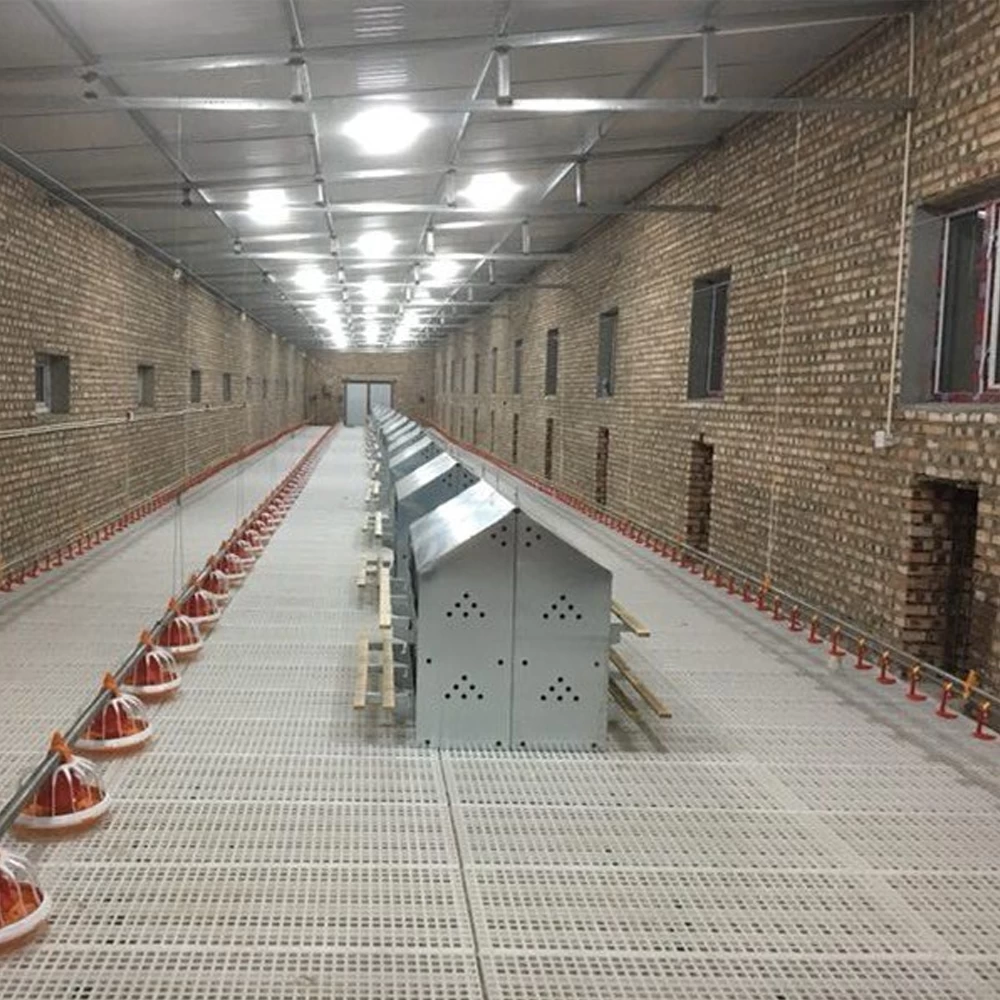
Investing in sustainable feed is pointless if it spoils before it reaches your automatic poultry feeding line.
When alternative feeds are stored in substandard or poorly insulated bins, moisture levels rise. This creates a breeding ground for mold and mycotoxins.
Even mild mycotoxin contamination can severely harm your flock by causing:
Decreased gut health and lower nutrient absorption.
A drop in feed conversion efficiency (birds eat more but grow less).
Weakened immune systems, leading to higher mortality rates.
To protect your feed investment, you must control the storage environment's temperature and humidity. This is where advanced engineering makes a difference.
3. Why High-Quality Galvanized Feed Silos Are Non-Negotiable
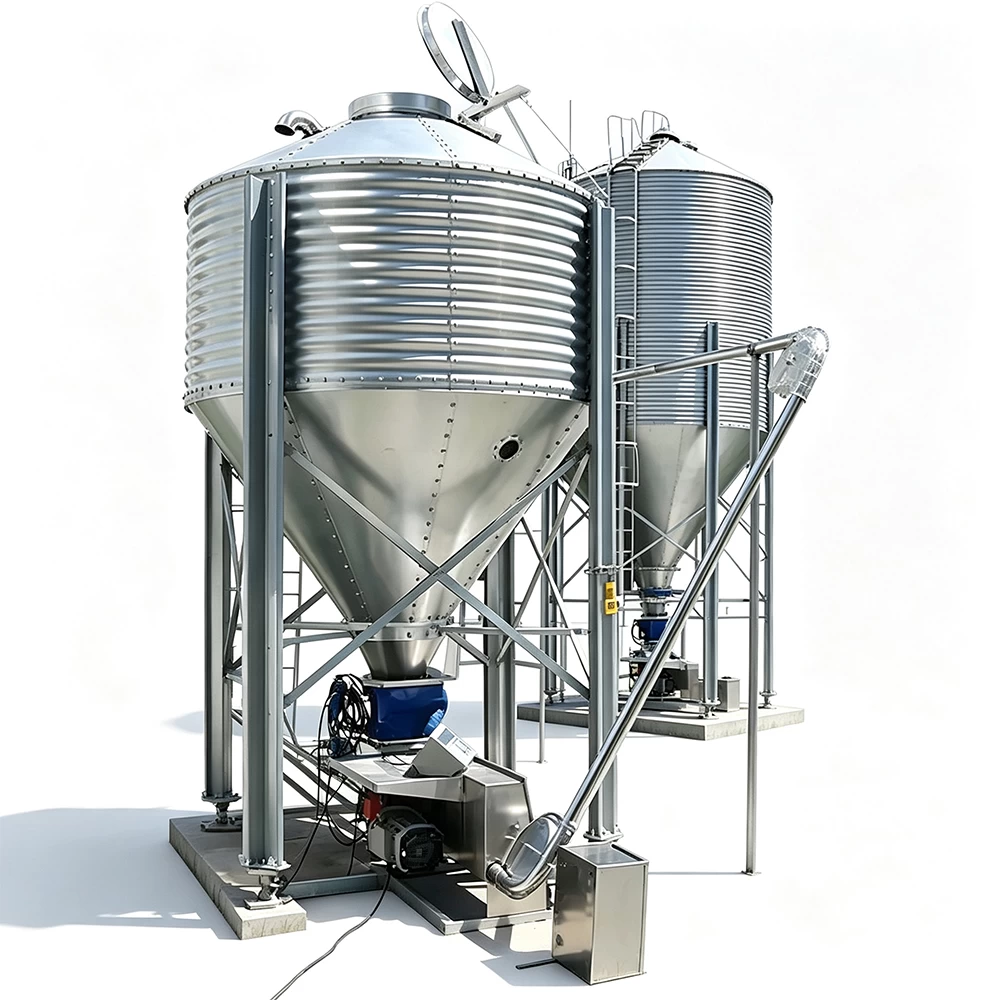
For modern commercial poultry farms, standard bulk feed storage is no longer enough. High-performance galvanized feed silos have become the gold standard for securing sustainable feed investments.
Superior Thermal Insulation and Heat Reflection
Premium silos are constructed using heavy-duty galvanized steel sheets (typically with coatings like $Z275\ g/m^2$ or higher). The high-reflectivity surface bounces away harsh solar radiation. This prevents the interior temperature spikes that cause condensation—the root cause of feed caking and mold growth.
Airtight Protection Against Pests and Biosecurity Risks
Biosecurity is a core pillar of sustainable farming. Wild birds, rodents, and insects are notorious vectors for diseases like Avian Influenza. A fully sealed steel feed silo completely isolates the feed from the outside environment, ensuring that the flock's food remains sterile and safe from farm-to-beak.
Smooth Discharge for Specialized Feeds
Alternative feeds containing insect meals or oily by-products can sometimes be stickier than standard pellets. Modern silos feature precisely engineered hopper cones (often 60 degrees) and smooth internal bolt configurations. This architecture ensures a smooth, consistent mass flow, preventing feed bridging or stagnation at the bottom of the bin.
Conclusion: Build a Sustainable Infrastructure
Sustainable poultry farming is a combination of smart nutrition and robust infrastructure. Embracing alternative, low-carbon feeds is an excellent way to slash operating expenses, but it requires the right storage strategy to succeed.
By pairing advanced feed formulations with high-quality bulk feed bins, farmers can maximize feed freshness, optimize their feed conversion ratios, and build a truly resilient agricultural business.
Looking for reliable farm infrastructure solutions?
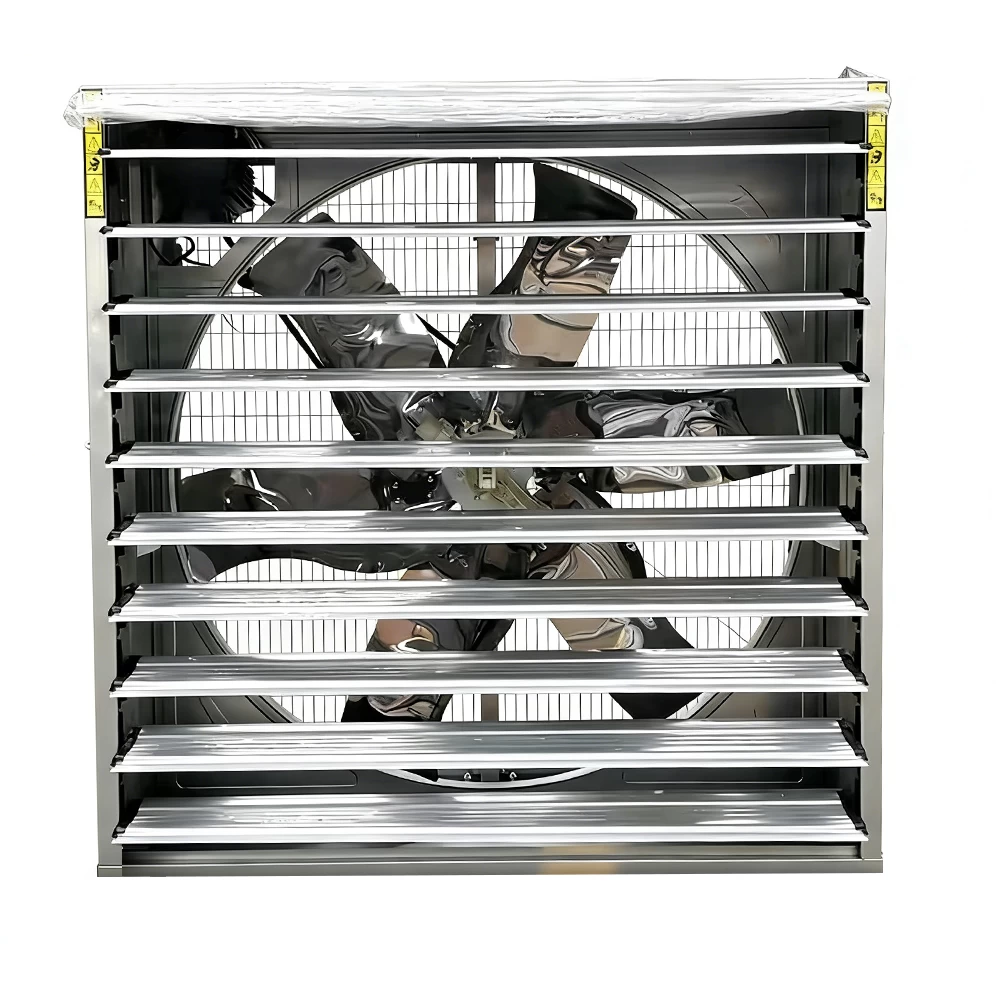
At North Husbandry, we specialize in manufacturing heavy-duty Galvanized Feed Silos, automated feeding lines, and advanced poultry house ventilation systems designed to protect your profits.
[Contact our team today] to get a custom layout design for your farm expansion project.