
Tropical Poultry Climate Control Plan: Optimizing Broiler House Ventilation and Infrastructure for Thailand
1. Analysis of Thailand’s Climate & Environmental Challenges (H2)
Poultry farming in Thailand demands a highly specialized approach due to its distinct tropical environment:
- Temperature & Daily Variation: Ambient temperatures frequently range between 32°C and 38°C. The diurnal (daily) temperature variation can drop by 8°C to 10°C at night, requiring responsive, multi-stage ventilation transitions.
- High Humidity: Relative humidity (RH) often exceeds 80% during the rainy and monsoon seasons, severely inhibiting the broilers' ability to dissipate heat via panting. [1]
- Water Quality: Underground water in Thailand's agricultural zones often contains high levels of calcium, magnesium, and mineral sediment, leading to rapid scale buildup and clogging in cooling systems.
2. Recommended Farm Scale & House Dimensions (H2)
To maximize biological safety (biosecurity), airflow uniformity, and return on investment (ROI) under Thailand’s climate, we recommend the following commercial standard:
- Target Rearing Capacity: 30,000 to 35,000 broilers per house.
- Rearing Mode: Modernized broiler floor raising equipment utilizing deep-litter or plastic slats.
- Standard House Dimensions: 120 meters (Length) × 15 meters (Width) × 3.0 meters (Side Wall Height).
3. Complete Climate Control & Equipment Allocation Strategy (H2)
A. High-Velocity Tunnel Ventilation System (H3)
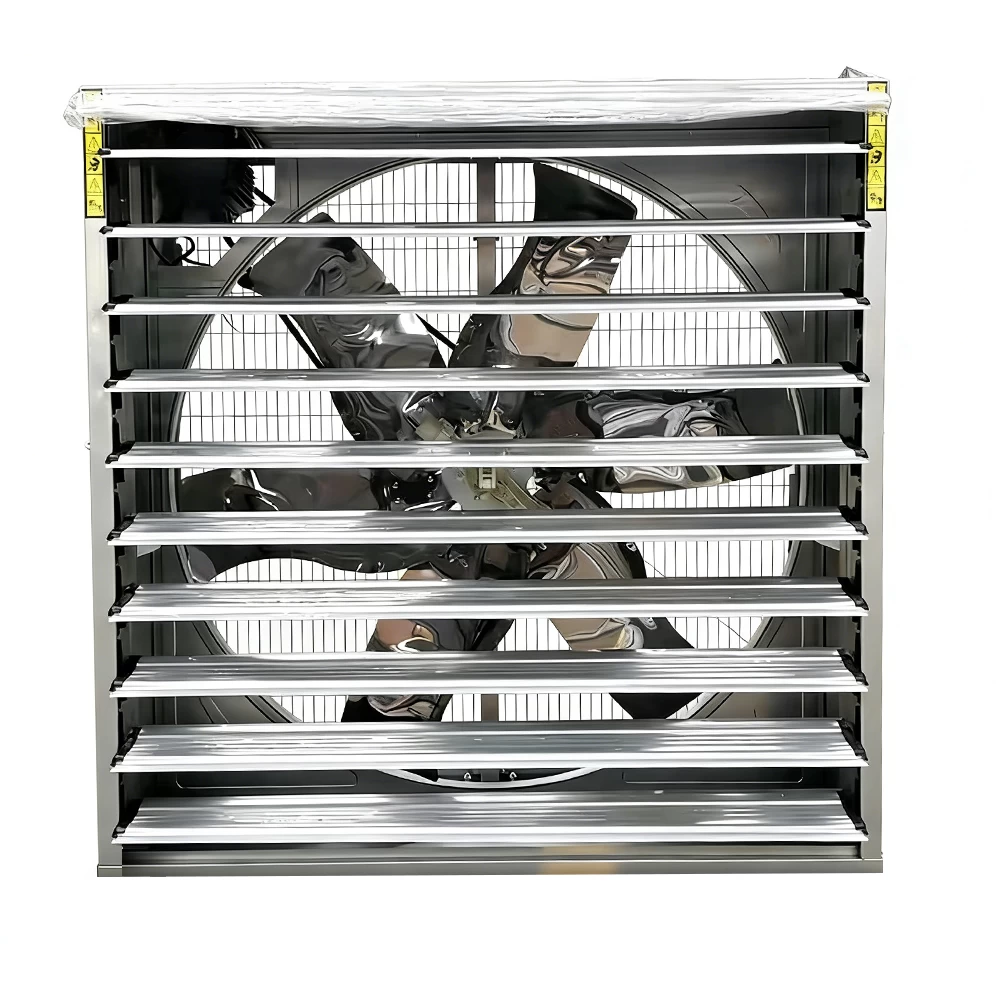
To combat the extreme heat stress caused by combined high temperature and high humidity, achieving a target wind velocity of 2.5 to 3.0 meters per second at bird level is the golden rule. This generates the necessary wind-chill effect to cool the flock. [1]
- Primary Exhaust Lines: Install 10 to 12 units of heavy-duty 50-inch centrifugal fans or centrifugal push-pull exhaust fans on the exhaust endwall. Driven by an advanced centrifugal shutter mechanism, they ensure 100% full opening to eliminate wind resistance.
- High-Pressure Areas: For modern farms utilizing automatic layer cages or stacked houses, allocate our high-thrust butterfly cone fans to handle negative pressure flawlessly.
- Corrosion Protection: To survive Thai humidity and aggressive ammonia gases, we strongly recommend upgrading to anti-corrosion fiberglass exhaust fans (FRP fans) for an extended, rust-free service life. [1]
B. Smart Evaporative Cooling Management & Soft Water Filtration (H3)
Evaporative cooling must be managed with absolute precision to avoid a deadly "sauna effect" when outdoor humidity exceeds 85%.
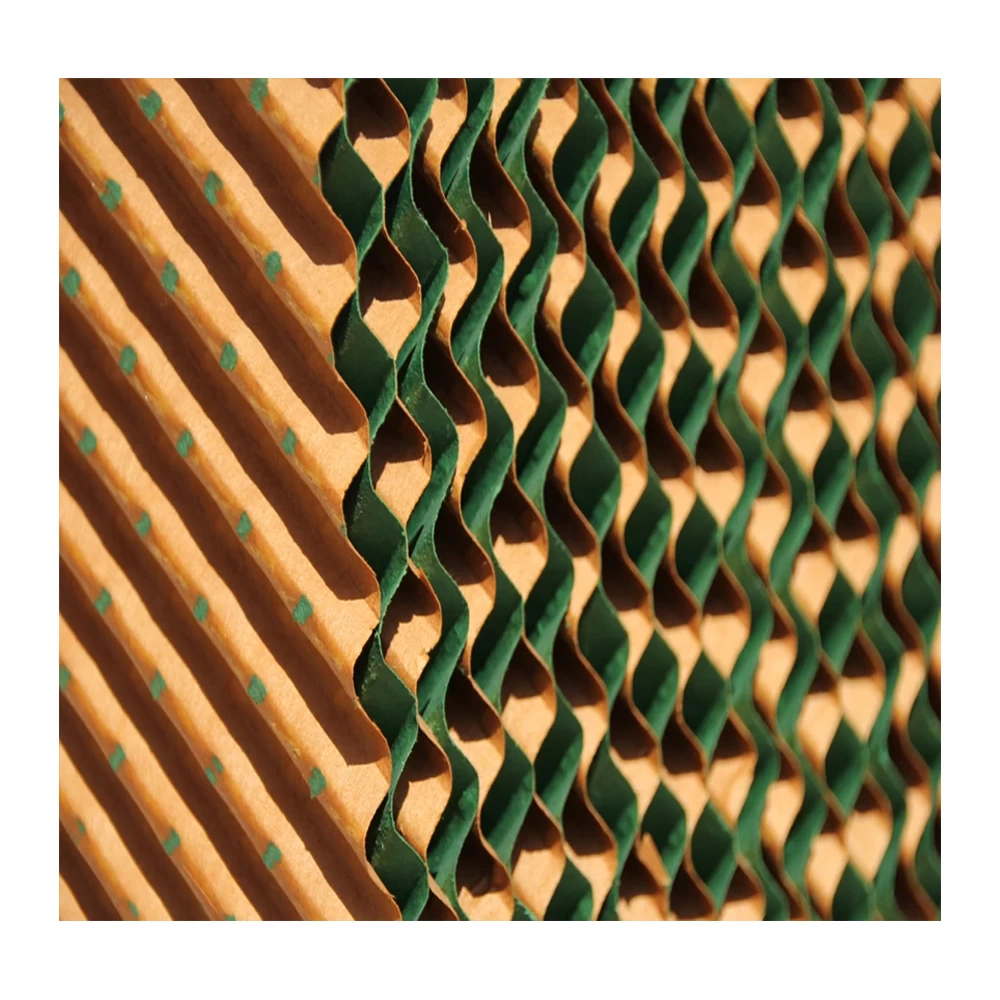
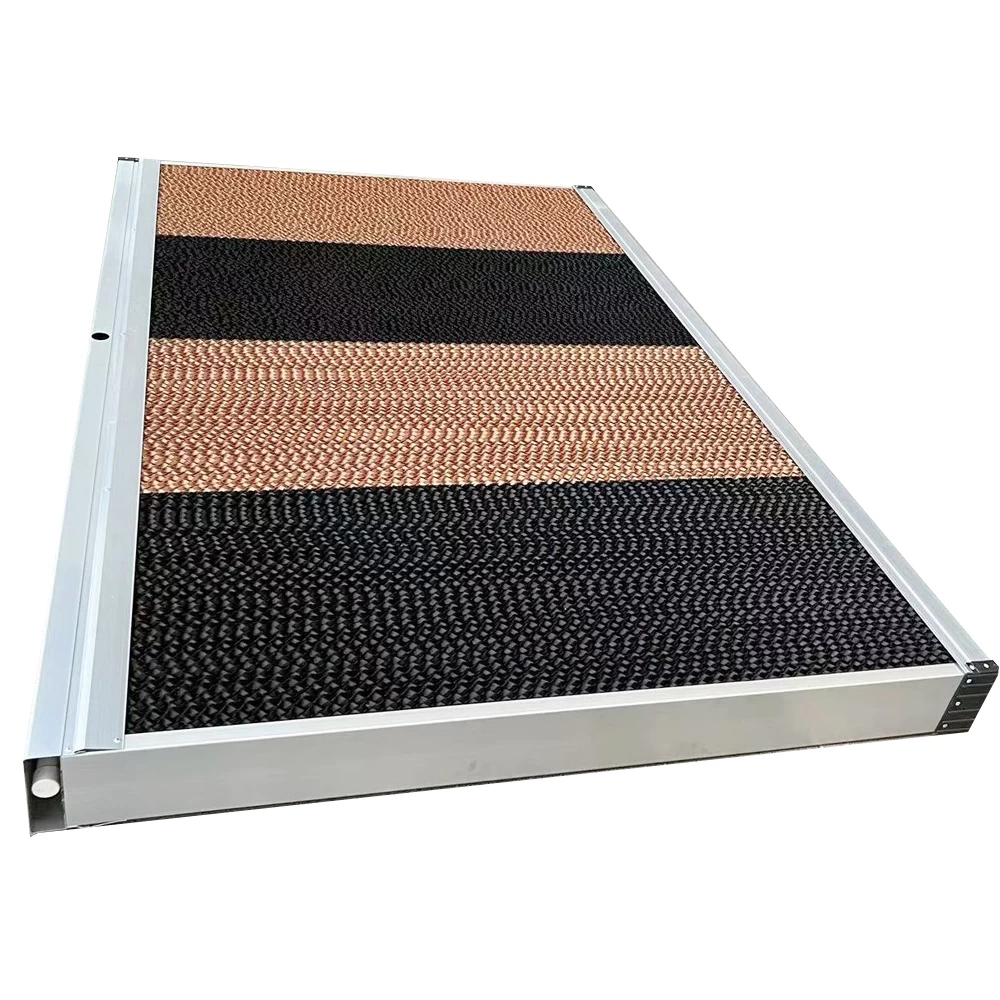
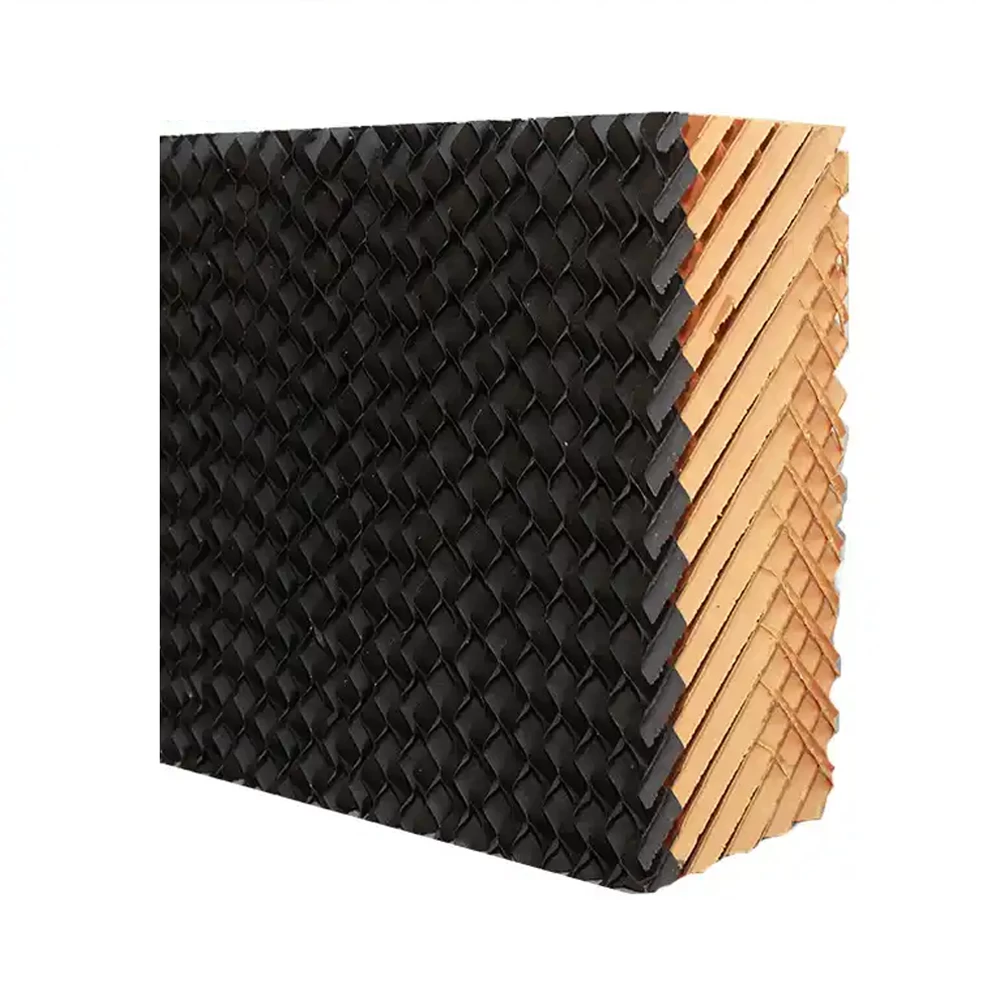
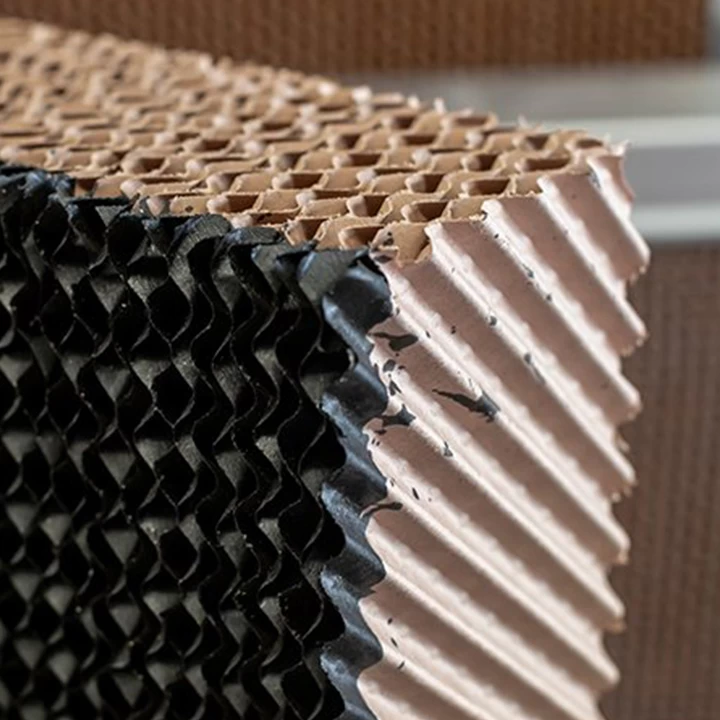
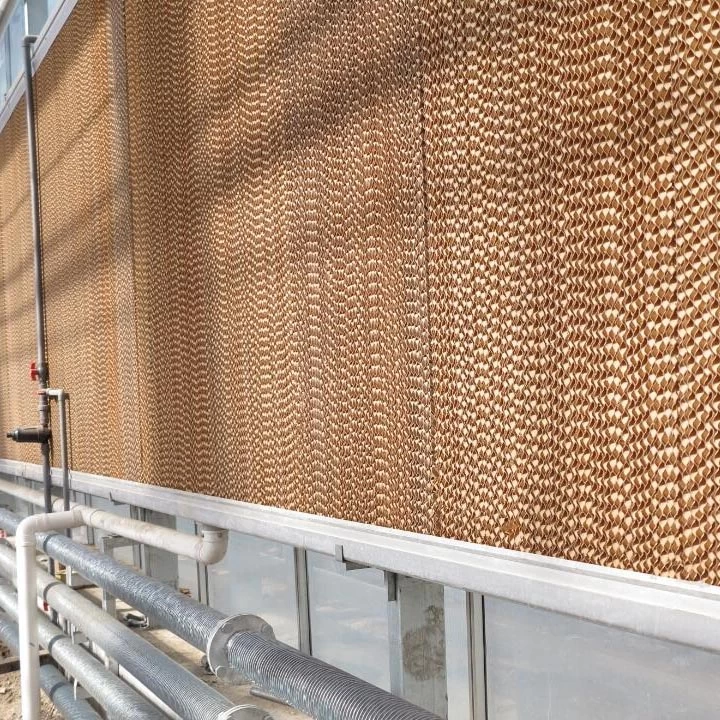
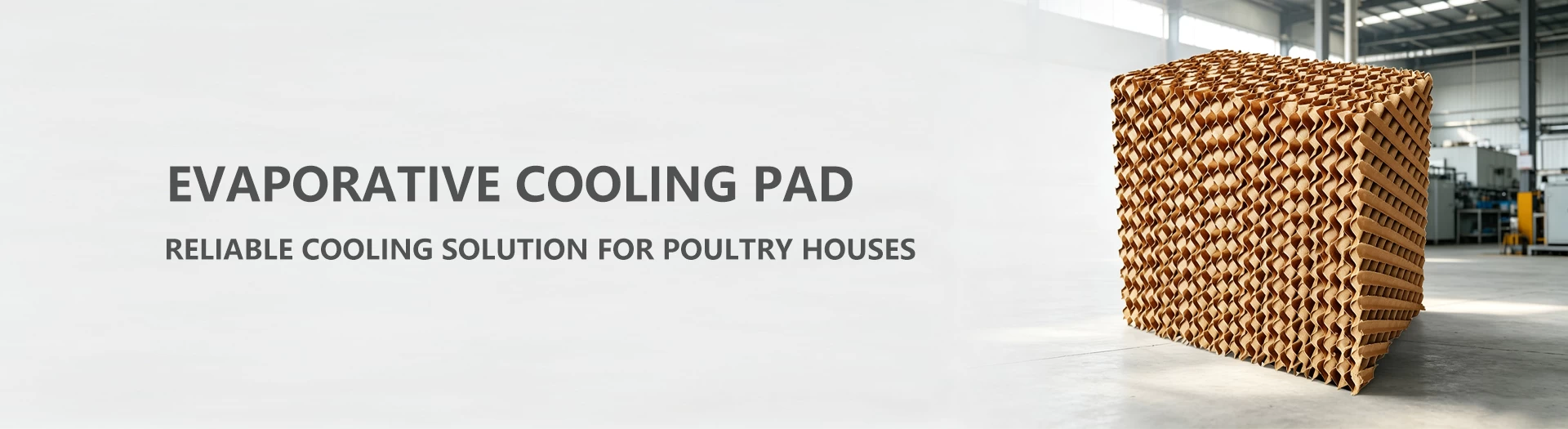
- Evaporative Media: Install 15-meter long x 1.8-meter high evaporative cooling pads (cellulose cooling pads) on both side walls at the intake end.
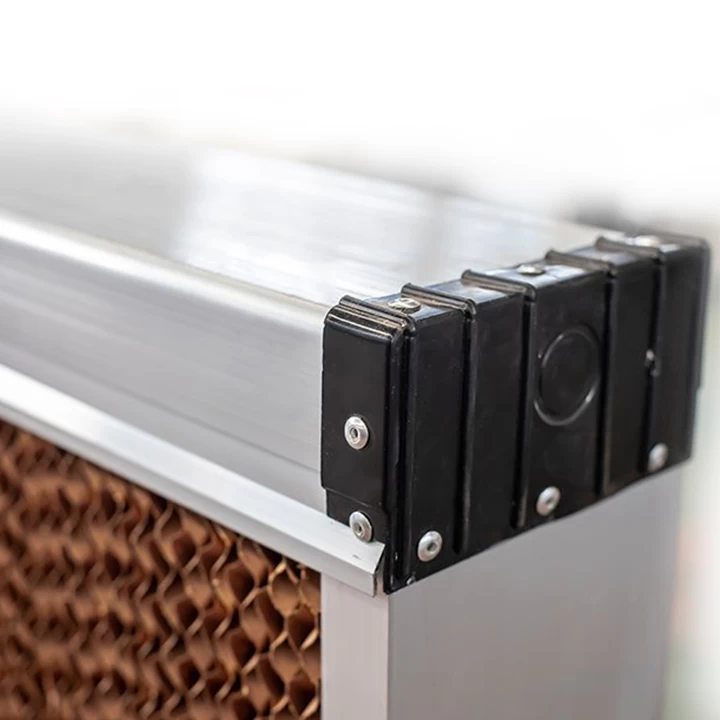
- Rigid Framing: To resist tropical storm warping, always specify our heavy-duty aluminum cooling pad frame systems with integrated water collection channels.
- Water Quality Solution: A central industrial water filtration and softening system must be installed prior to the cooling pad inlet. This eliminates mineral scale buildup, keeping the cellulose media porous and extending its cooling lifespan by over 300%.
C. Static Pressure Control & Transitional Ventilation (H3)
During nighttime or the cooler winter season when daily temperature drops, the system must transition seamlessly away from full tunnel mode. [1]
- Air Intake: Install precision-molded(plastic poultry air inlet valves) along the sides of the chicken house. These heavy-duty plastic air inlets, equipped with integrated anti-bird netting, precisely regulate static pressure. This ensures that fresh air jets toward the ceiling to mix safely with the internal climate before reaching the broiler floor, avoiding cold stress. [1]
D. Automated Feed & Water Lifelines (H3)
- Feeding: Connect outdoor galvanized feed silos (equipped with a silo electronic weighing system for smart inventory detection) to indoor lines via an auger conveying system. Feed is distributed via an automated automatic pan feeding system to minimize wastage.
- Drinking: Implement a leak-proof poultry nipple drinking system paired with drip cups to keep the floor litter completely dry, preventing pododermatitis and bacterial growth.