
Beating the Tropical Heat: How to Manage Broiler House Ventilation in High-Humidity Climates
Poultry farming in Southeast Asia presents a unique and demanding environmental challenge: navigating the relentless combination of high temperatures and extreme relative humidity (often exceeding 80%). In these tropical climates, broilers lose their natural ability to dissipate heat through panting, leading to severe heat stress, increased mortality, and a disastrous decline in the Feed Conversion Ratio (FCR).
To secure profitability in modern agricultural facilities, masterfully managing poultry house ventilation indicators through precise engineering and advanced poultry farming equipment is critical.
1. The Golden Rule of Tropical Housing: High Wind Velocity (H2)
In hot, high-humidity regions, relying on static cooling alone is insufficient. The most vital ventilation indicator is Wind Speed at Bird Level, which creates the critical "wind-chill effect" to pull heat directly away from the broilers' bodies. For modern broiler floor raising equipment configurations, maintaining a minimum wind velocity of 2.5 to 3.0 meters per second across the deep litter is standard practice.
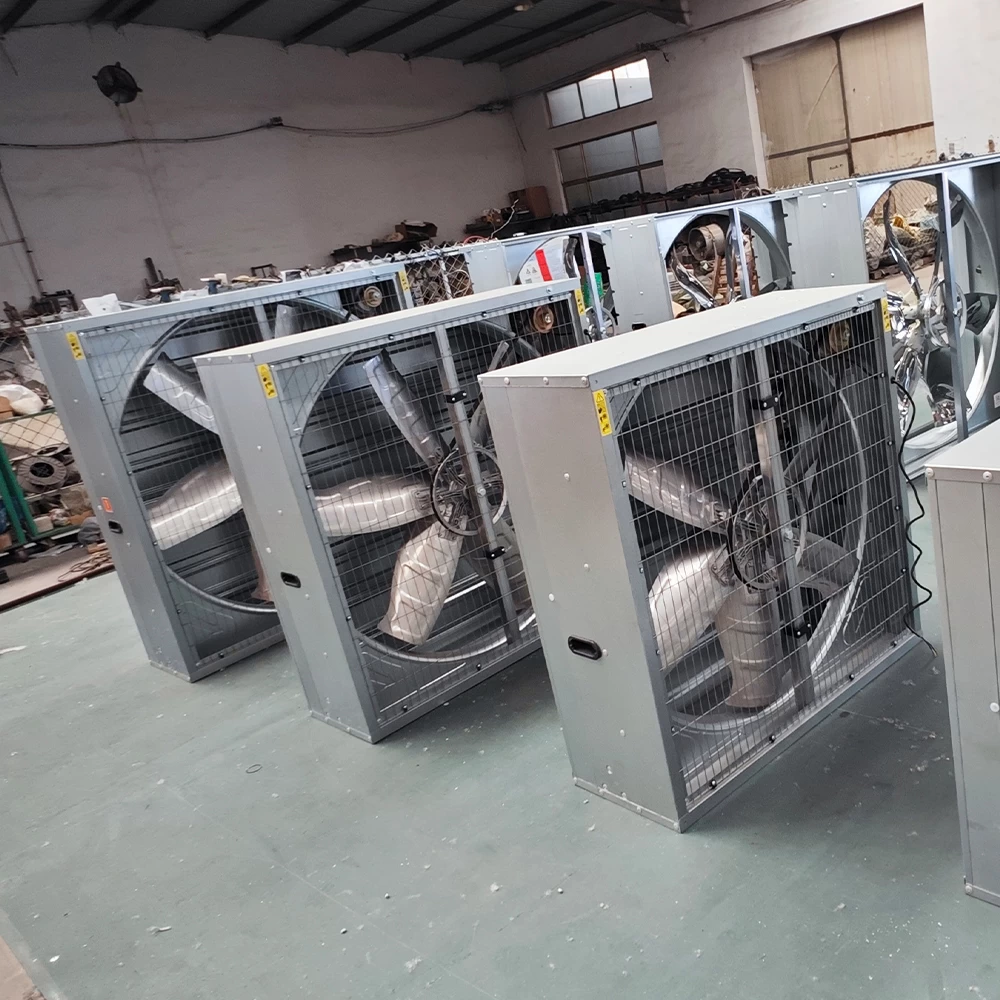
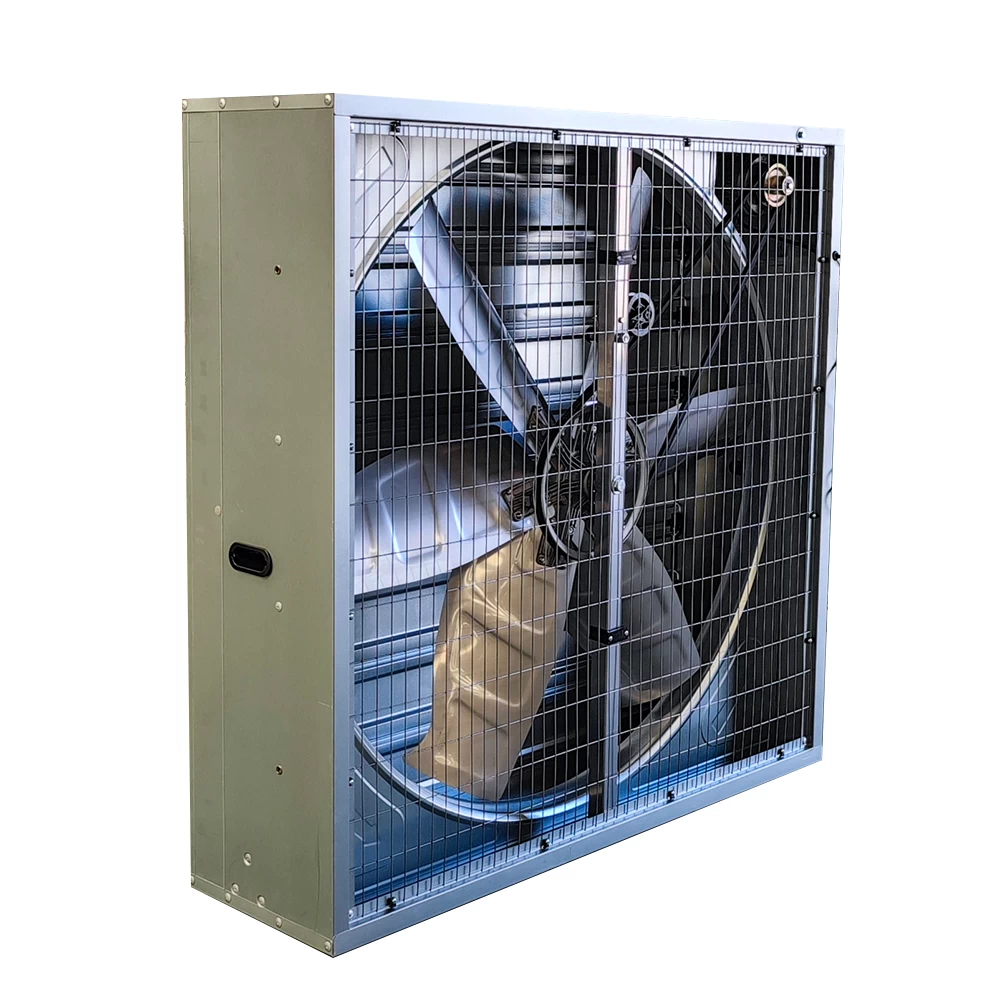
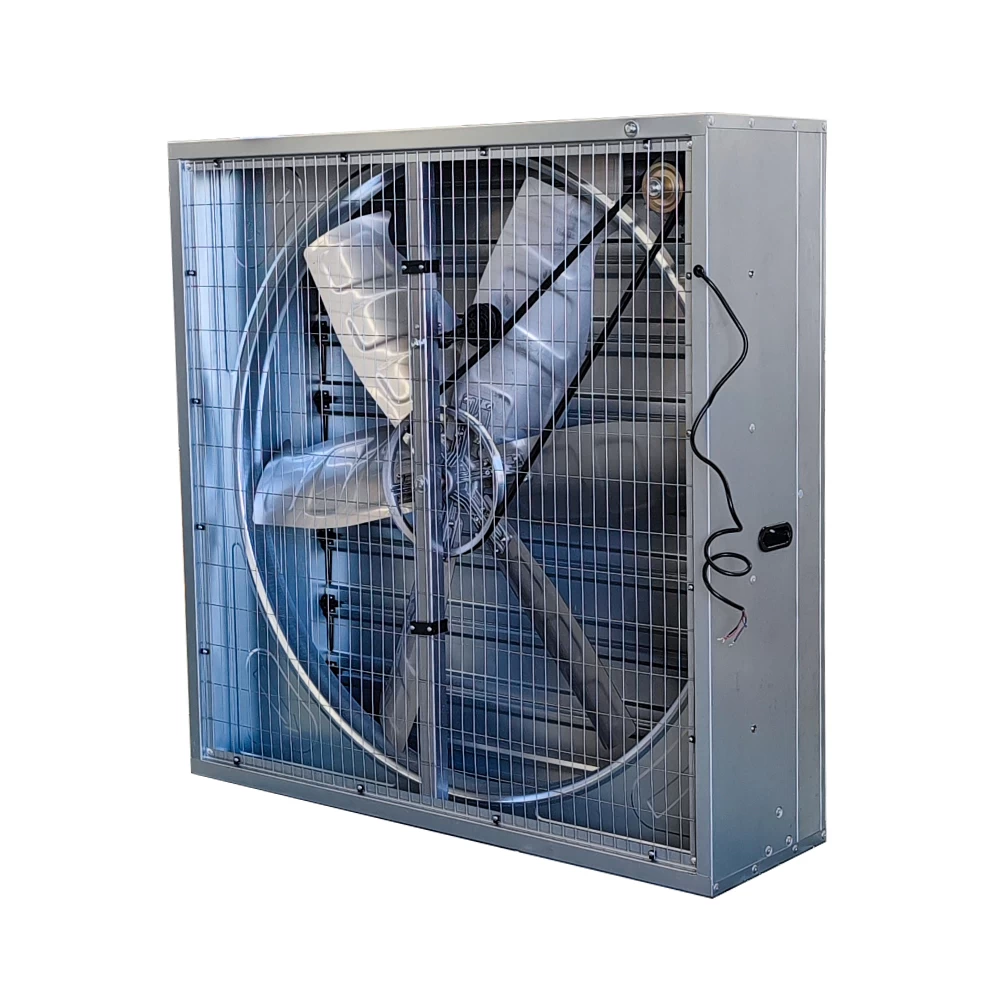
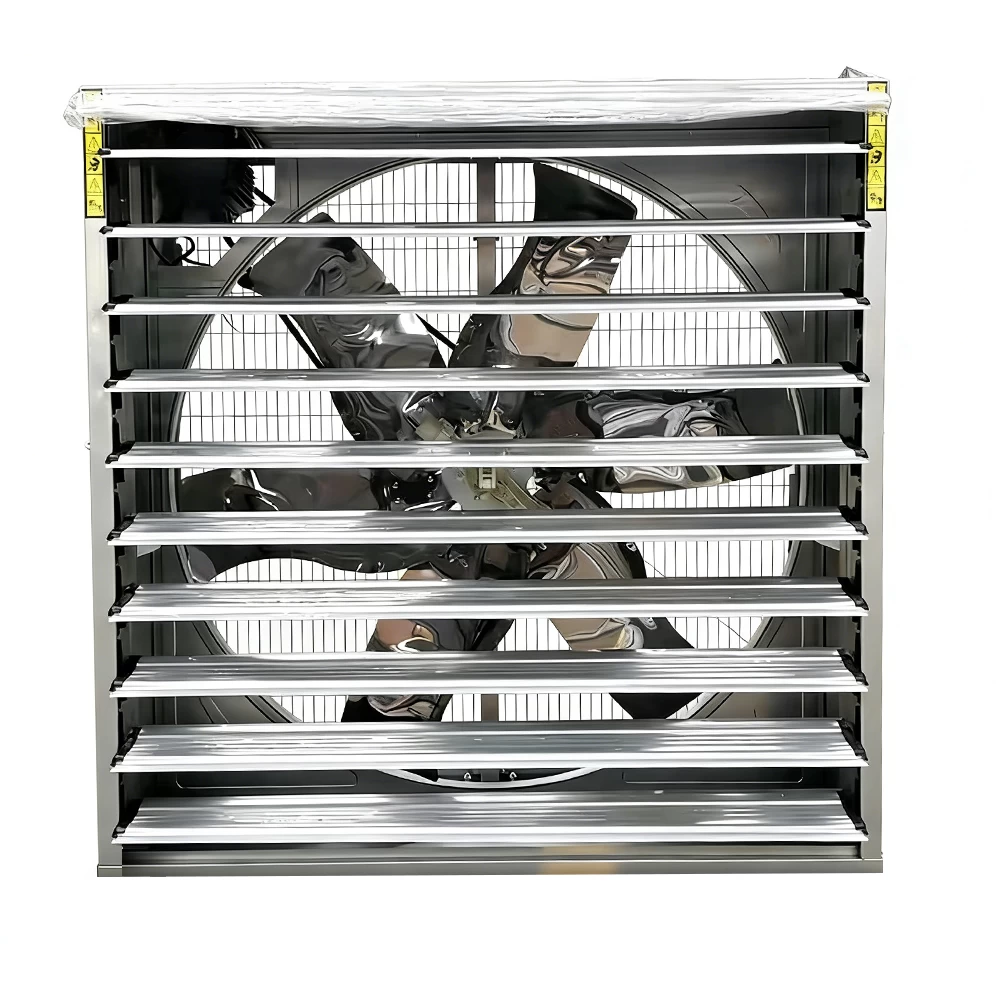
To achieve this massive air movement, upgrading to heavy-duty industrial exhaust fans is mandatory.
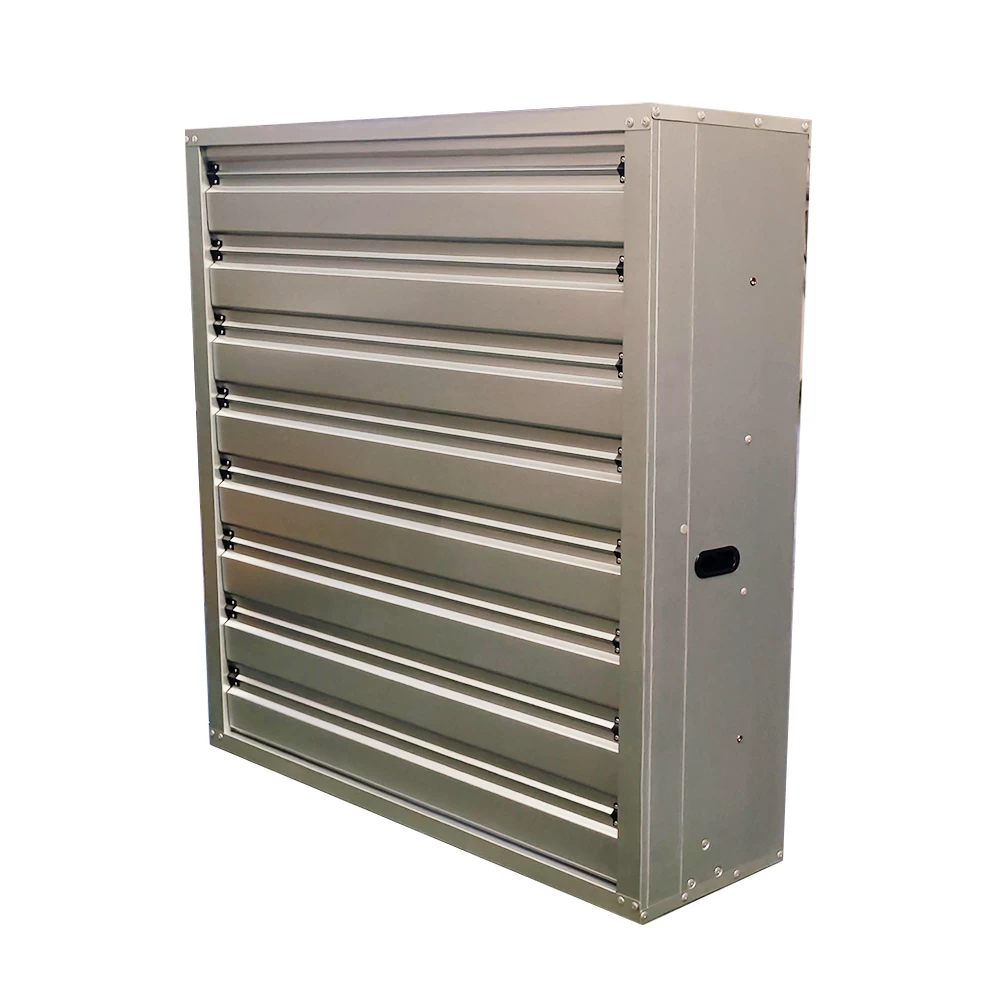
- The Premium Choice: Large-scale commercial facilities utilize centrifugal push-pull exhaust fans (specifically high-performance 50-inch centrifugal fans. Powered by an advanced centrifugal shutter opening mechanism, these fans guarantee a 100% full shutter opening during operation, eliminating any wind resistance and maximizing volumetric airflow.
- The High-Negative-Pressure Alternative: For farms using high-density automatic layer cages or modern stacked broiler houses, the butterfly cone fan is highly preferred. Its extended cone design ensures optimal exhaust thrust and handles high-negative-pressure environments flawlessly.
- The Anti-Corrosion Solution: Due to the aggressive ammonia gases coupled with tropical humidity, traditional metals rust quickly. Upgrading to a fiberglass exhaust fan (FRP fan) provides an unbeatable lifespan with zero structural degradation.
2. Managing the Evaporative Cooling and Humidity Balance (H2)
A common error in tropical broiler floor rearing management is running the cooling pads when the outdoor relative humidity is already above 85%. Doing so fills the house with trapped moisture, creating a "sauna effect" that kills birds.
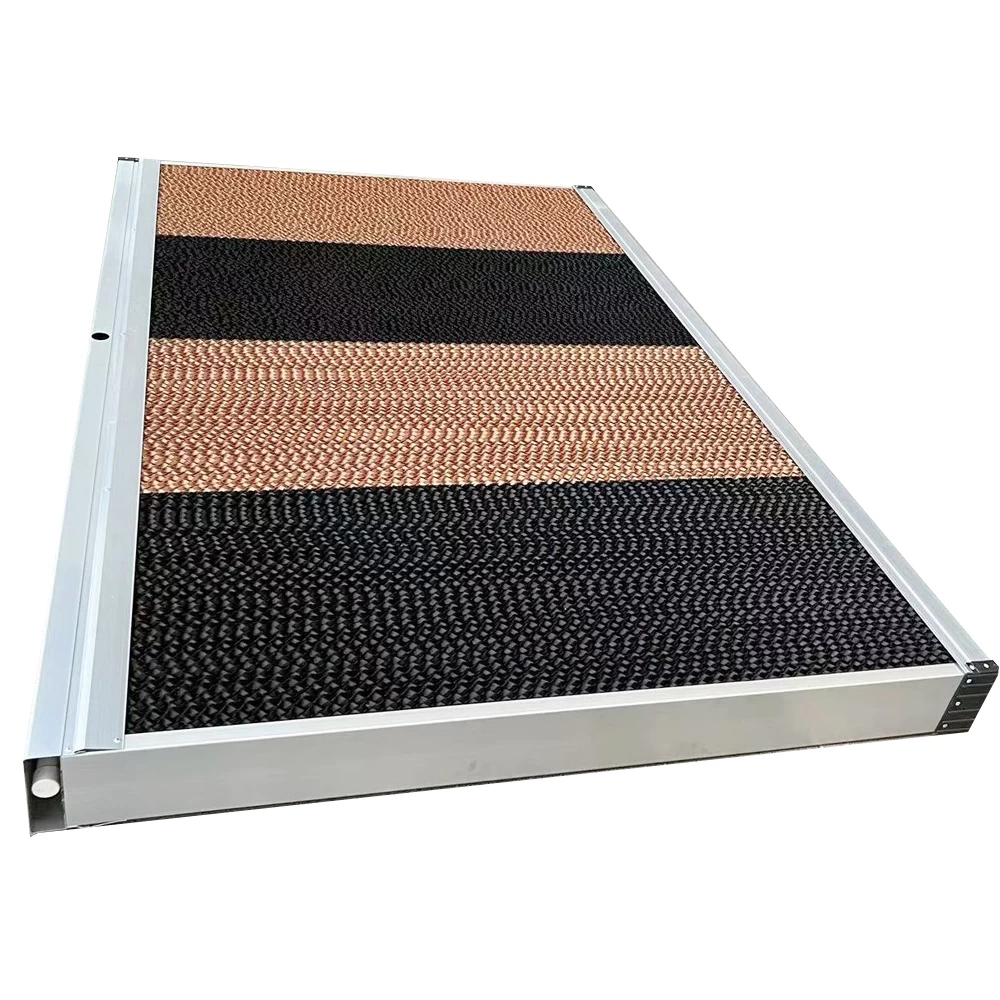
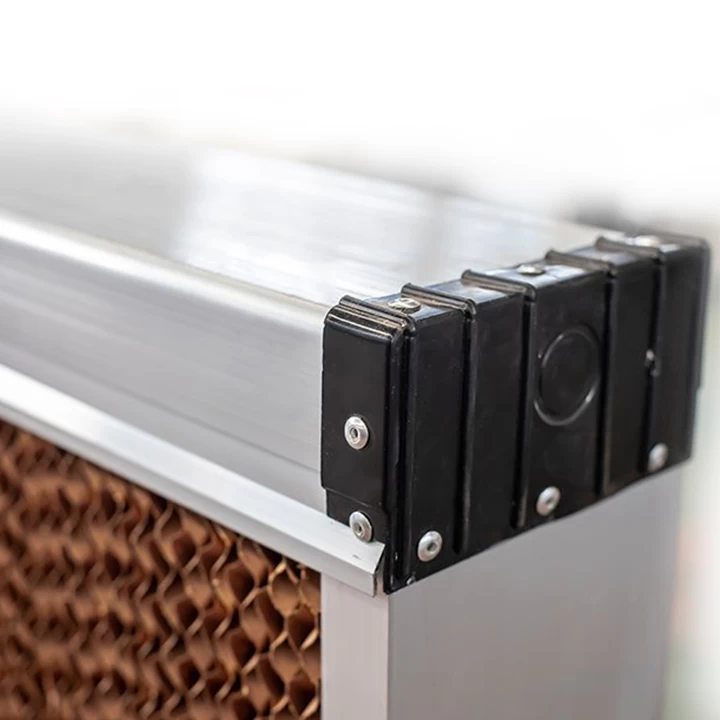
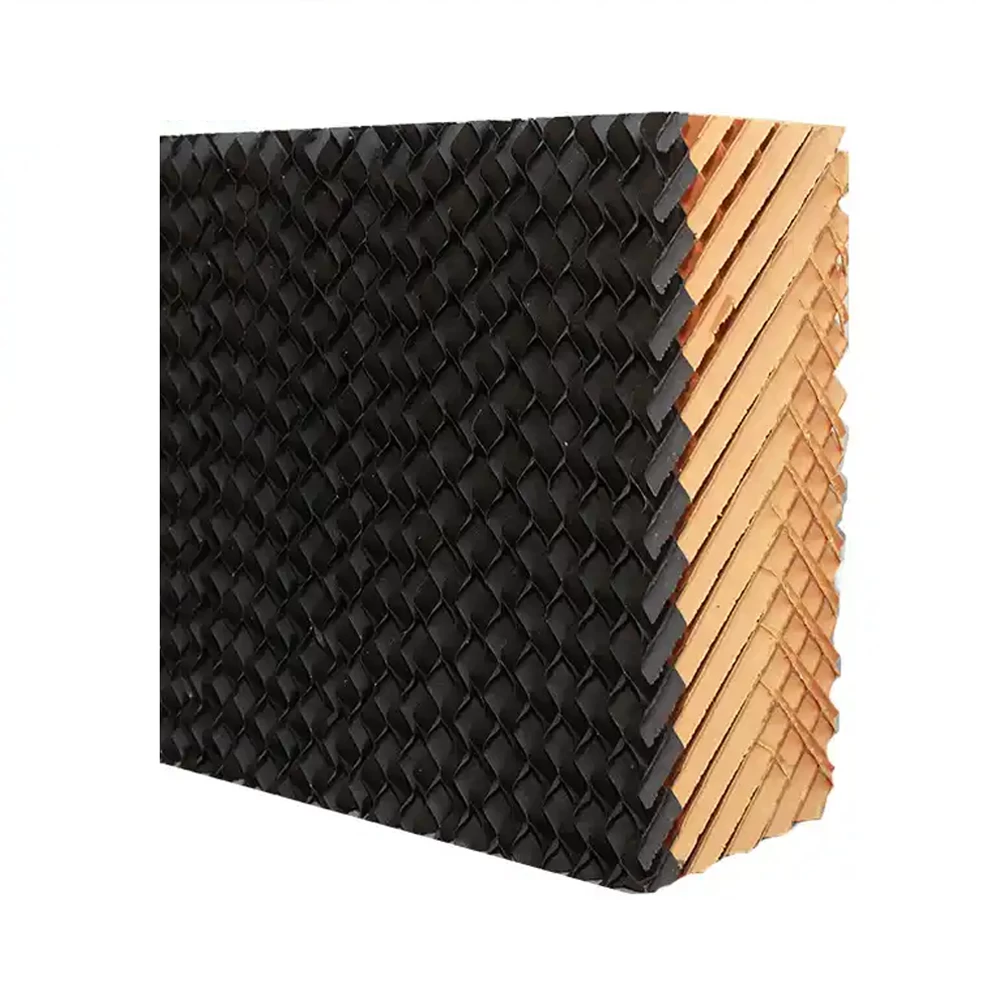
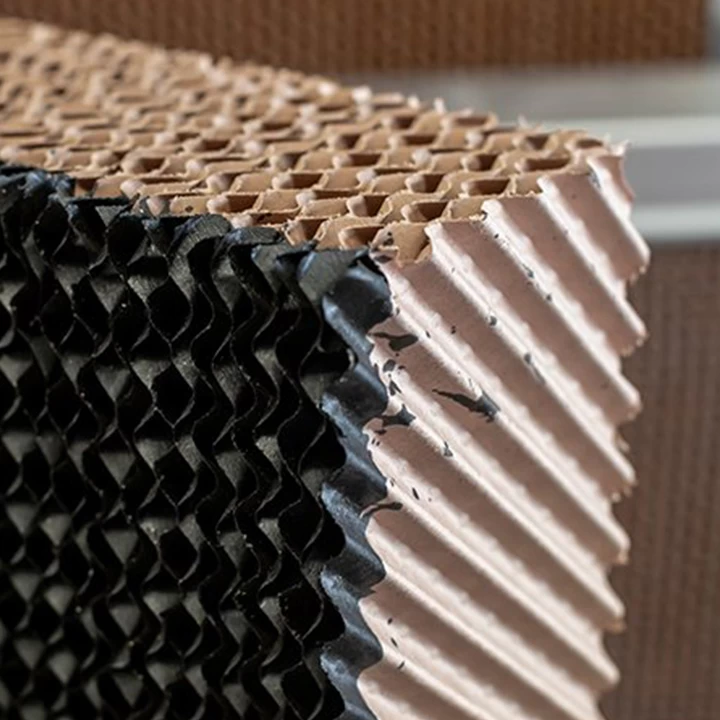
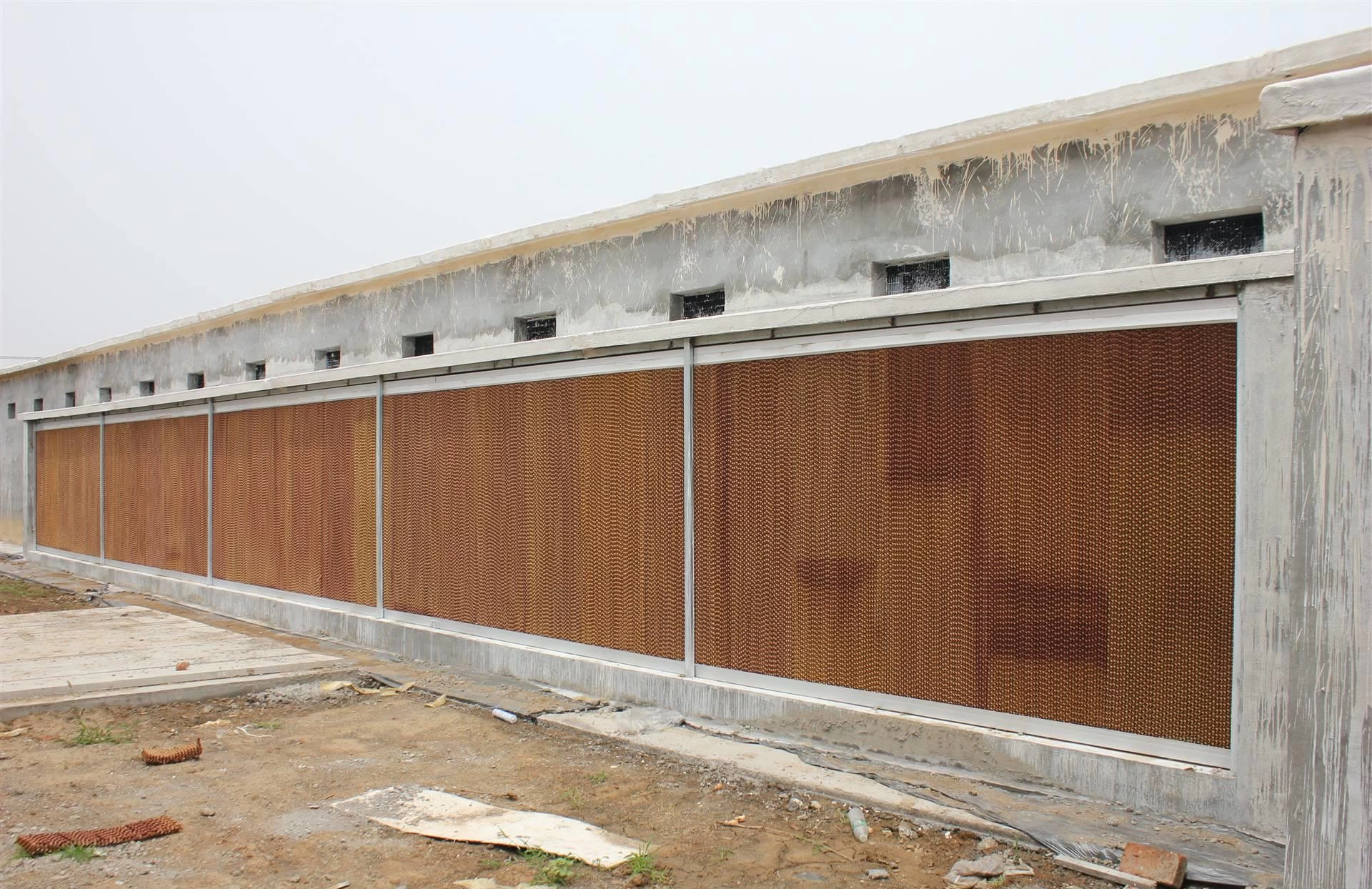
During the hottest, humid hours, a modern tunnel ventilation system must balance cooling pad usage with raw air speed. When the humidity allows, pairing your fans with a premium evaporative cooling pad (cellulose cooling pad) offers a reliable drop in temperature. To prevent tropical storm damage and structural warping, commercial growers always install a rigid aluminum cooling pad frame with integrated water circulation to ensure structural integrity and anti-leakage performance.
3. Static Pressure & Side-Wall Intake Control (H2)
In Southeast Asian automated poultry chicken farms, achieving uniform air distribution is the only way to avoid deadly "stagnant air pockets."
By installing precision-engineered plastic poultry air inlet valves along the side walls, managers can precisely regulate static pressure. These heavy-duty plastic air inlets, equipped with anti-bird netting, prevent uneven air jetting and ensure fresh air is distributed perfectly before mixing with the internal climate.