
**Comparing Zinc-Coated vs. Traditional Steel Silos: Which Is Better for Bulk Feed Handling?**
In the modern agricultural industry, efficient storage and handling of bulk livestock feed is essential for maintaining productivity, profitability, and animal health. The choice of feed silo—whether zinc-coated or traditional steel—plays a pivotal role in achieving these goals. As farms grow larger and more automated, the demands on feed storage solutions have intensified. This blog provides a comprehensive comparison between zinc-coated and traditional steel silos, focusing on critical factors such as corrosion resistance, durability, moisture control, anti-caking properties, and suitability for automated feed transport systems.
---
### Understanding the Role of Feed Silos in Agriculture
Feed silos are central to bulk feed handling on farms. They enable the secure storage of large quantities of feed, ensure consistent supply, protect against environmental hazards, and facilitate automated distribution. The material used in the construction of silos directly impacts their longevity, effectiveness, and cost-efficiency.
Two main types of steel silos dominate the agricultural landscape:
- **Traditional Steel Silos:** Generally constructed from mild steel or standard steel sheets, sometimes with basic protective coatings.
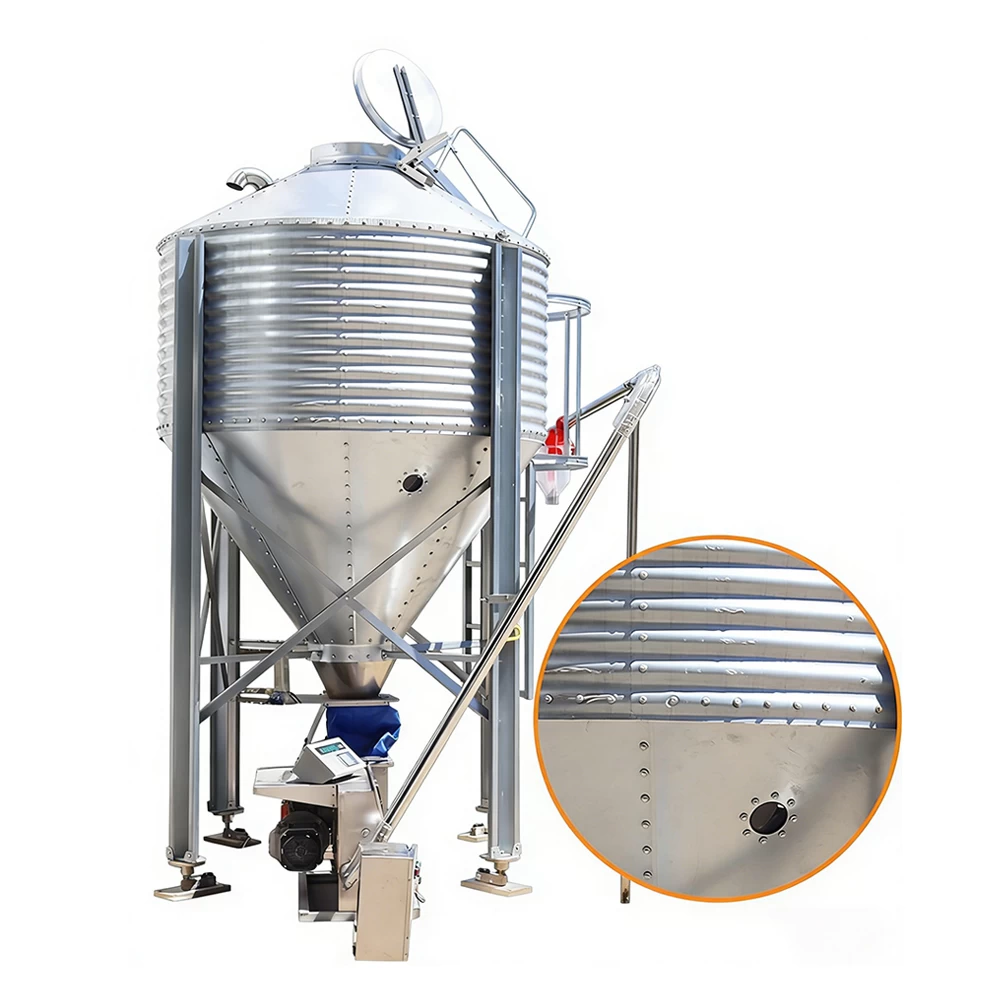
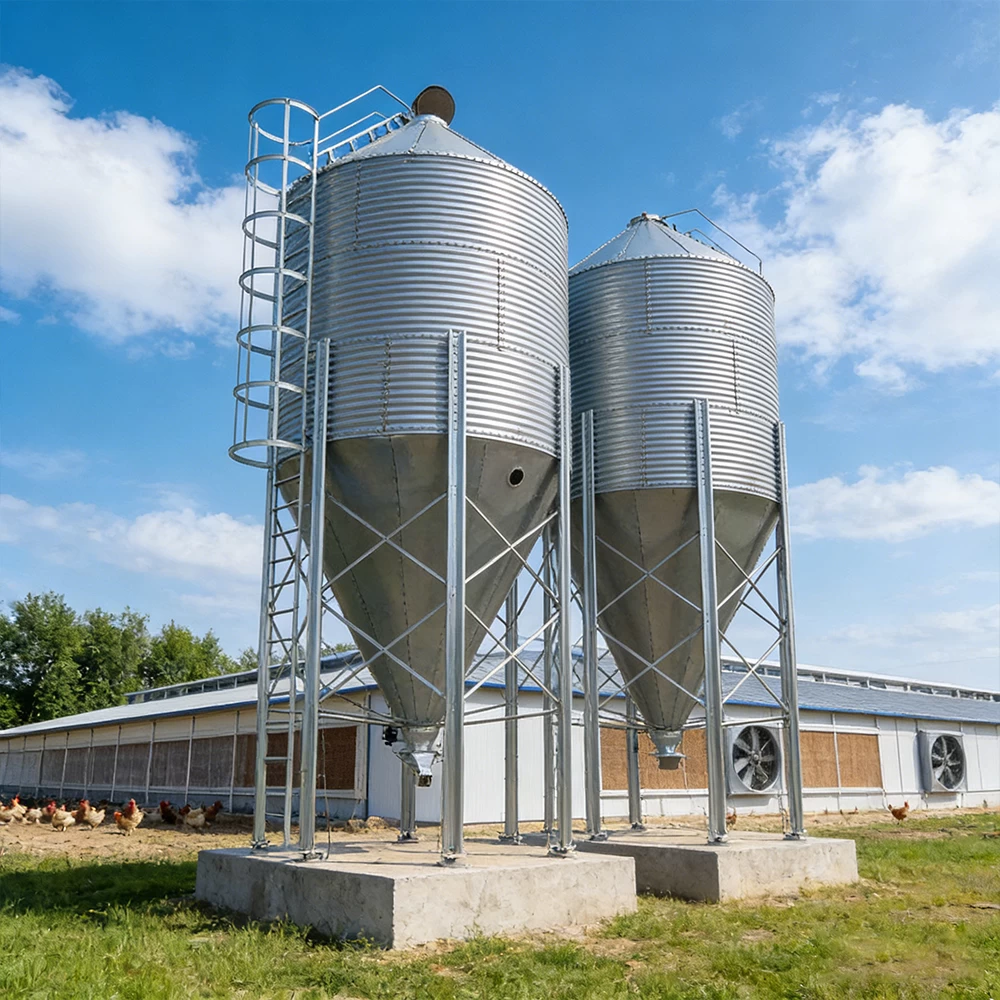
- **Zinc-Coated (Galvanized) Steel Silos:** Made from heavy-duty steel sheets treated with a layer of zinc—often at 275g/m²—to enhance corrosion resistance and weather protection.
---
### Corrosion Resistance: The Primary Differentiator
#### The Problem of Corrosion
Corrosion is the most significant challenge when storing bulk livestock feed, especially in farm atmospheres characterized by high humidity and exposure to outdoor weather. Moisture, oxygen, and feed acids accelerate the degradation of unprotected steel, leading to structural weakness, contamination, and costly repairs.
#### Zinc-Coated Silos: Superior Protection
Zinc-coated feed silos utilize galvanized steel, commonly at a thickness of 275g/m², providing a robust defense against corrosion. The zinc acts as a sacrificial layer, reacting with environmental elements before the underlying steel can be affected. This process ensures:
- **Long-term durability:** Zinc-coated surfaces withstand rain, humidity, and aggressive farm atmospheres.
- **Low maintenance:** Reduced need for repainting or patching compared to traditional steel silos.
- **Consistent feed quality:** Prevents rust particles and contaminants from leaching into bulk livestock feed.
#### Traditional Steel Silos: Vulnerabilities
While traditional steel silos may offer initial cost savings, their lack of advanced protective coatings makes them susceptible to rust, especially in regions with high rainfall or humidity. Even minor breaches in paint or sealant can quickly lead to widespread corrosion, threatening the silo’s structural integrity and the quality of stored feed.
---
### Moisture Control and Anti-Caking Performance
#### Feed Quality and Silo Design
Moisture control is essential for preventing feed spoilage, mold growth, and caking. High-tensile corrugated steel sheets, often used in zinc-coated silos, provide enhanced rigidity and better sealing capabilities.
#### Airtight Structural Seal
Zinc-coated silos are engineered for airtightness. Advanced sealing methods, including precision-welded joints and gasketed closures, minimize air and moisture ingress. The result is:
- **Improved moisture control:** Protects feed from atmospheric humidity and rain.
- **Anti-caking performance:** Maintains flowability, preventing feed from clumping and clogging automated feed transport systems.
Traditional steel silos, unless specifically designed with upgraded seals, often underperform in these areas. Leaks and condensation can lead to rapid feed degradation, increased maintenance, and operational disruptions.
---
### Heavy-Duty Construction and Outdoor Weather Resistance
#### Structural Strength
Heavy-duty construction is vital for withstanding the physical demands of bulk feed storage and handling. Zinc-coated silos are typically manufactured with high-tensile corrugated steel sheets, which offer:
- **Greater load-bearing capacity**
- **Resistance to wind, snow, and seismic activity**
- **Extended lifespan in outdoor environments**
Traditional steel silos, while sturdy, are more prone to surface deterioration and structural fatigue, especially when exposed to harsh weather conditions over time.
#### Protection Against Farm Atmospheres
Modern farms expose silos to a range of corrosive agents—from ammonia and manure gases to fertilizers and cleaning chemicals. Zinc-coated silos demonstrate remarkable resistance to these threats, maintaining their performance even after years of exposure.
---
### Optimized Design Features: The 60° Cone Bottom Advantage
The geometry of a feed silo impacts its efficiency and ease of operation. Many zinc-coated silos feature an optimized 60° cone bottom, which delivers several benefits:
- **Efficient discharge:** Ensures complete emptying of bulk livestock feed, minimizing waste and facilitating thorough cleaning.
- **Enhanced anti-caking:** Steep angles prevent feed buildup, supporting smooth and reliable automated feed transport.
- **Compatibility:** Designed for integration with augers, conveyors, and pneumatic delivery systems.
Traditional steel silos may not always incorporate these advanced design features, potentially leading to slower discharge rates and increased manual intervention.
---
### Automated Feed Transport Integration
#### Modern Farming Demands Automation
Automated feed transport systems are now standard on progressive farms. Silos must be compatible with these systems to reduce labor, improve precision, and support animal health management.
Zinc-coated silos are often equipped with features like:
- **Precision outlets**
- **Auger and conveyor compatibility**
- **Internal coatings that reduce friction and sticking**
These enhancements simplify integration and ensure reliable operation. Traditional steel silos may require retrofitting or additional components, increasing complexity and costs.
---
### High Humidity Protection: Essential for Global Agriculture
#### Geographic Considerations
From tropical climates to temperate zones, high humidity poses a formidable challenge for feed storage. Zinc-coated silos excel in these environments, offering:
- **Superior condensation resistance:** Minimizes internal moisture accumulation.
- **Stable feed storage:** Reduces risk of mold, fungus, and spoilage.
- **Long-term investment protection:** Lower risk of structural failure due to rust.
Traditional steel silos, even with basic coatings, rarely match the performance of galvanized alternatives—especially in regions where humidity levels fluctuate dramatically.
---
### Comparing Costs: Upfront Investment vs. Long-Term Value
#### Initial Purchase Price
Traditional steel silos generally have a lower purchase price, appealing to cost-conscious operators. However, this must be weighed against ongoing maintenance, repair, and replacement costs.
#### Life Cycle Analysis
Zinc-coated silos command a higher upfront investment but deliver:
- **Reduced maintenance expenses**
- **Fewer repairs**
- **Longer operational lifespan**
- **Better feed quality retention**
Over time, the total cost of ownership favors zinc-coated silos, particularly on farms with substantial bulk feed handling requirements.
---
### Case Studies and Industry Trends
#### Real-World Examples
Many leading livestock operations have transitioned from traditional steel silos to zinc-coated, galvanized models. Feedback consistently highlights:
- **Improved feed quality**
- **Lower contamination rates**
- **Enhanced reliability of automated feed systems**
- **Significant reduction in downtime and repair costs**
#### Industry Standards
Major manufacturers now offer zinc-coated silos as their flagship products, often with extended warranties and certifications for high-humidity, outdoor use.
---
### Conclusion: Which Is Better for Bulk Feed Handling?
Based on the comprehensive comparison, zinc-coated (galvanized) steel silos clearly outperform traditional steel silos across all key metrics:
- **Corrosion-resistant:** Superior protection against rust and environmental hazards.
- **Heavy-duty:** Enhanced structural strength and outdoor weather resistance.
- **Moisture control & anti-caking:** Better feed preservation and flowability.
- **Automated feed transport:** Seamless integration with modern systems.
- **High humidity & farm atmospheres protection:** Reliable performance in challenging conditions.
- **Optimized 60° cone bottom:** Efficient discharge and minimal waste.
While traditional steel silos may suffice for small-scale, low-risk applications, the long-term value, durability, and operational advantages of zinc-coated silos make them the preferred choice for farms serious about bulk feed handling.
---
### Recommendations for Farm Managers
When selecting a feed silo, prioritize:
- **Corrosion resistance:** Choose at least 275g/m² galvanized steel.
- **Airtight structural seal:** Ensure advanced sealing technology.
- **Design optimization:** Opt for a steep cone bottom and compatibility with automation.
- **Manufacturer reputation:** Select proven suppliers with robust warranties.
Investing in a zinc-coated feed silo is not just a matter of protecting your feed—it's about safeguarding your farm’s future, ensuring operational efficiency, and maximizing profitability.
---
**Keywords Used:** corrosion-resistant, zinc-coated, feed silo, bulk livestock feed, heavy-duty, 275g/m² galvanized steel, moisture control, anti-caking, automated feed transport, high-tensile corrugated steel sheets, outdoor weather resistance, high humidity protection, farm atmospheres protection, airtight structural seal, optimized 60° cone bottom.
---
**Are you considering upgrading your feed storage solution? Contact us for expert advice on selecting the best zinc-coated feed silo for your farm’s needs.**