
The Ultimate Guide to Poultry House Ventilation: Maximizing Flock Health and Farming Efficiency
Maintaining the perfect climate inside modern livestock housing is the backbone of commercial farming success. As global temperatures rise, implementing an energy-efficient poultry house ventilation system has become non-negotiable for large-scale broiler farm owners and egg production managers. Proper air exchange not only controls temperature and humidity but also removes harmful ammonia gases, preventing disease outbreaks and optimizing the Feed Conversion Ratio (FCR).
1. The Core Infrastructure: Choosing the Right Industrial Exhaust Fans (H2)
To achieve reliable tunnel ventilation solutions, selecting high-capacity, commercial-grade exhaust fans is step number one.
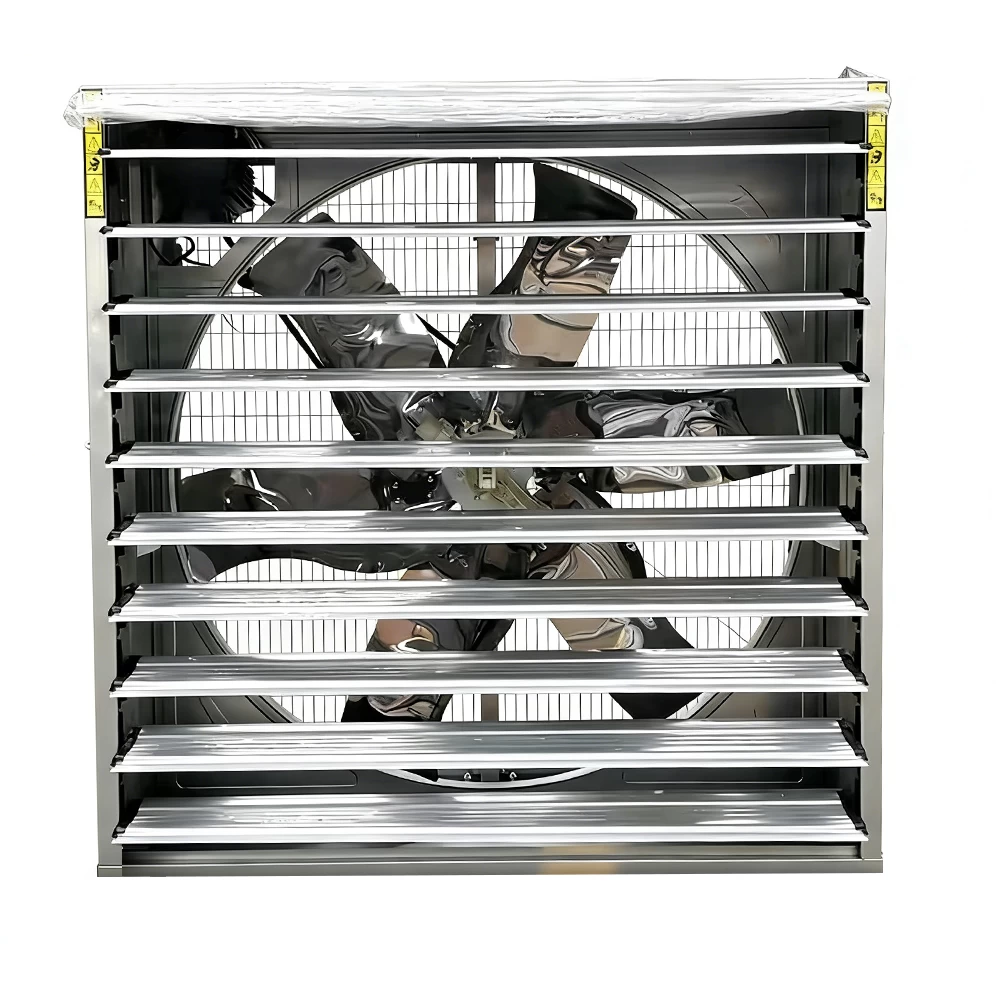
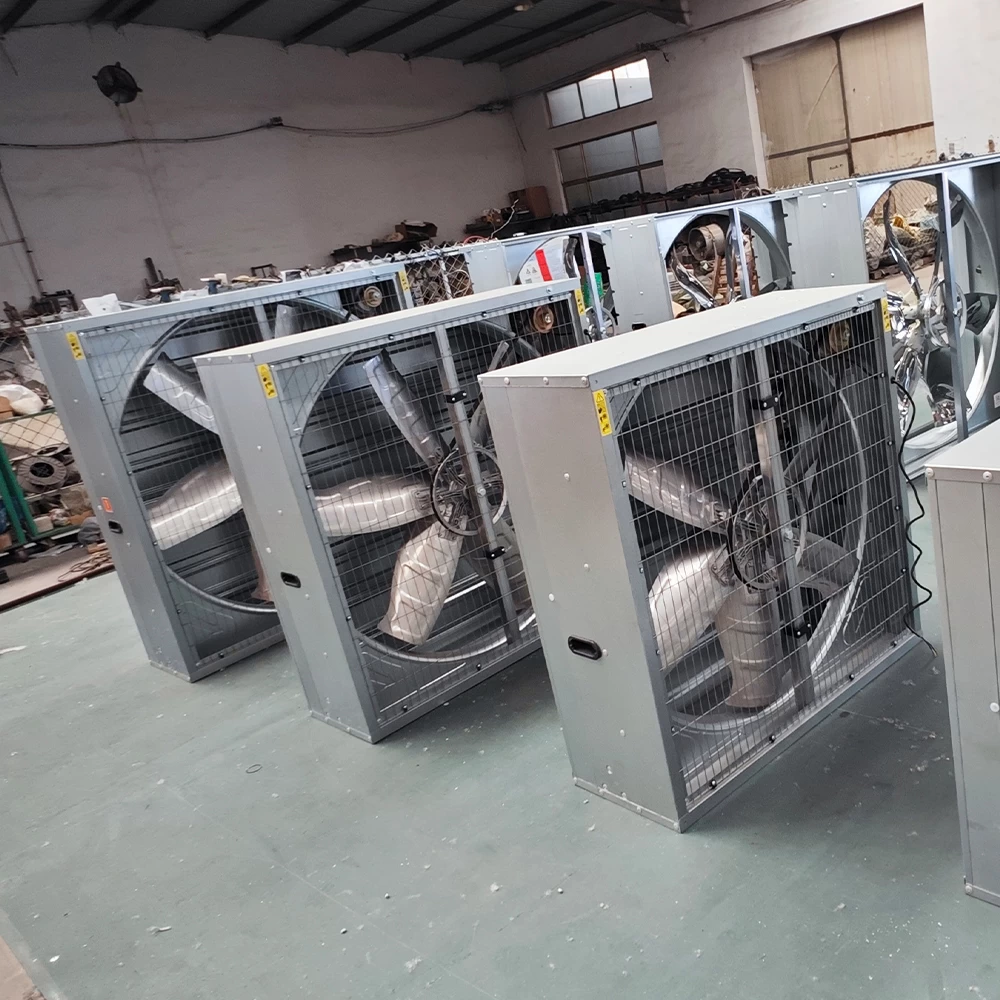
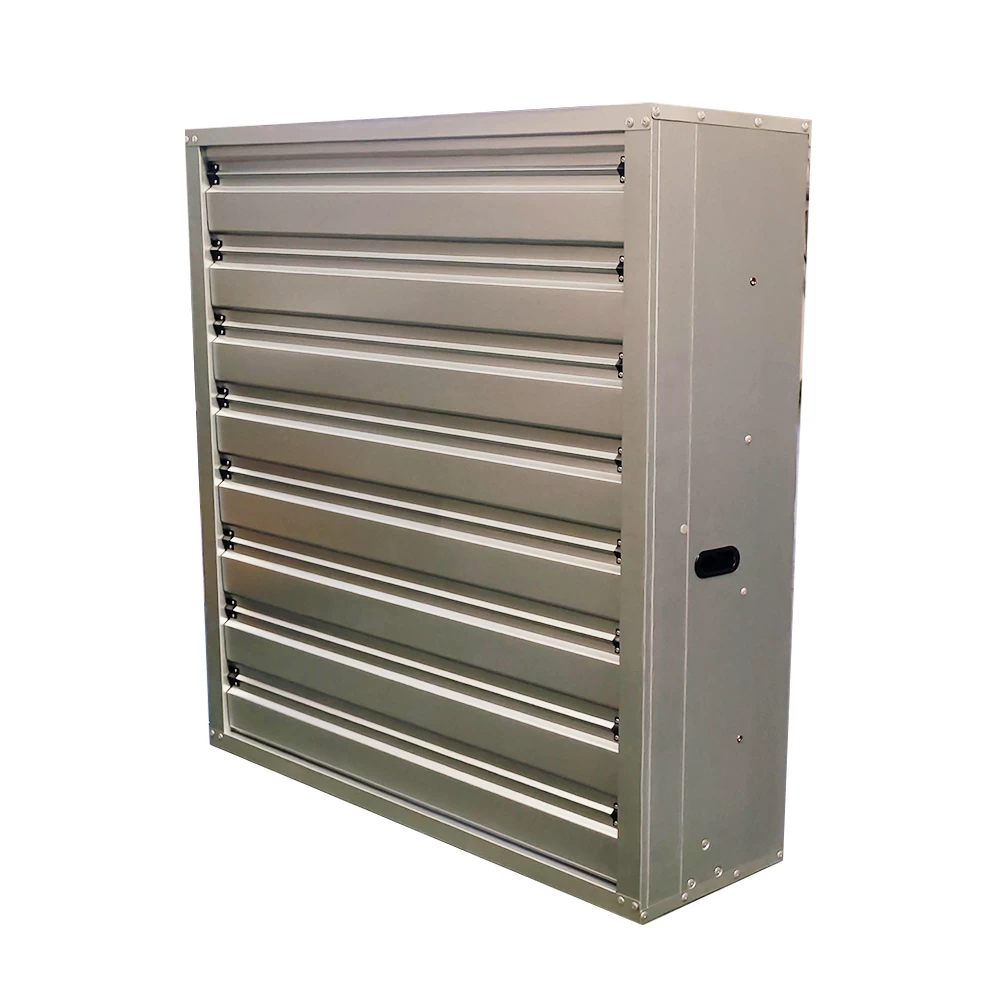
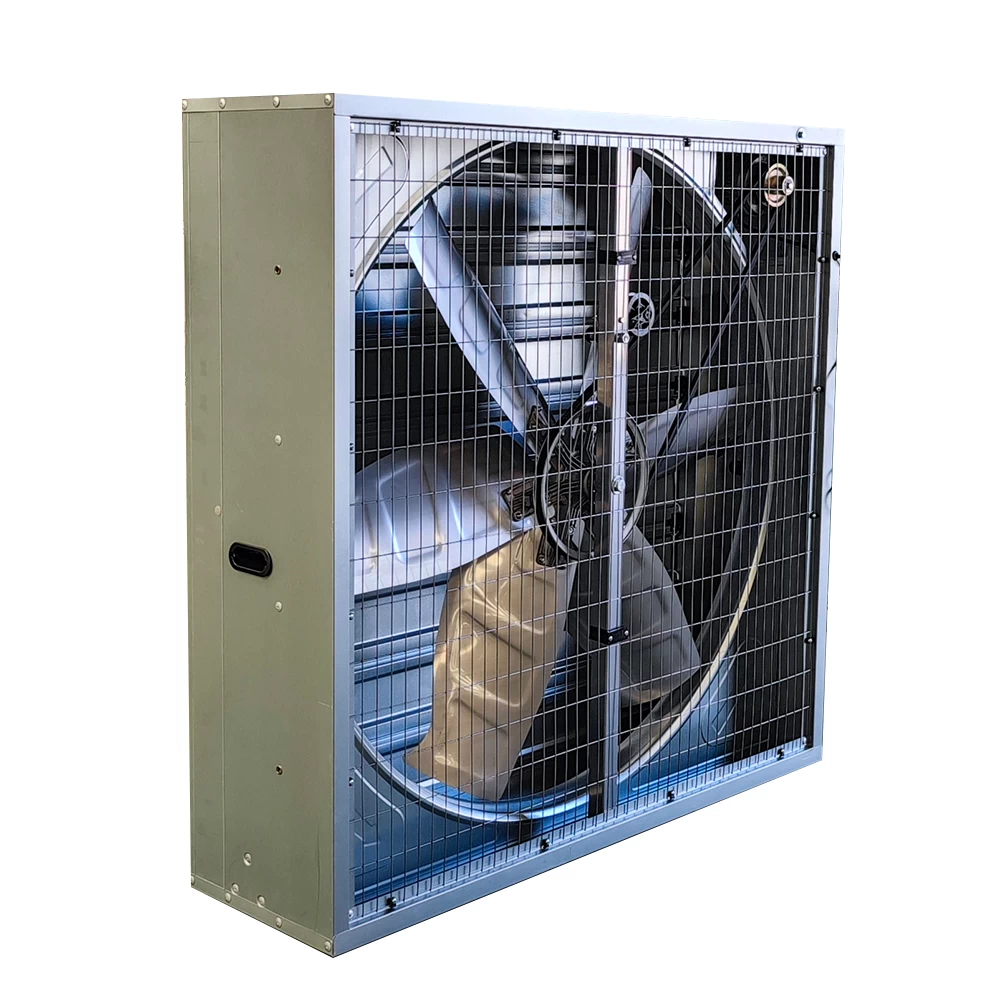
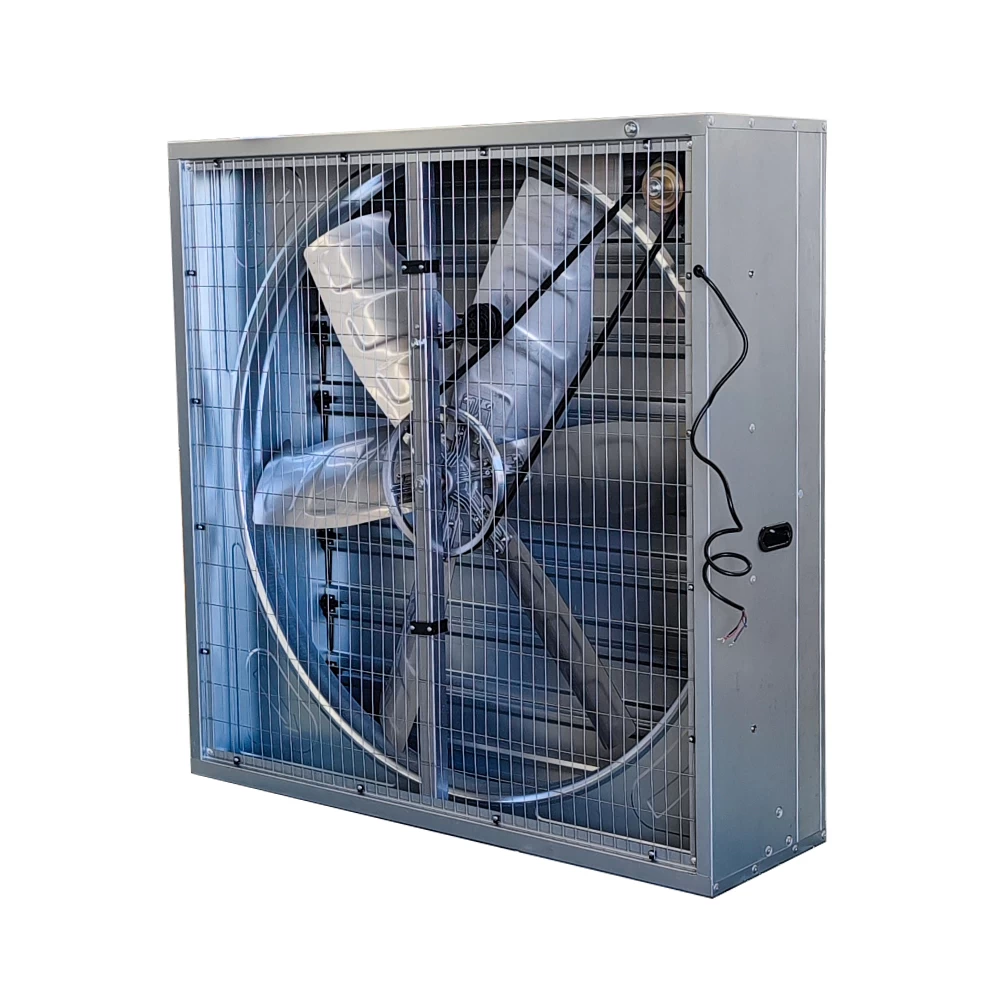
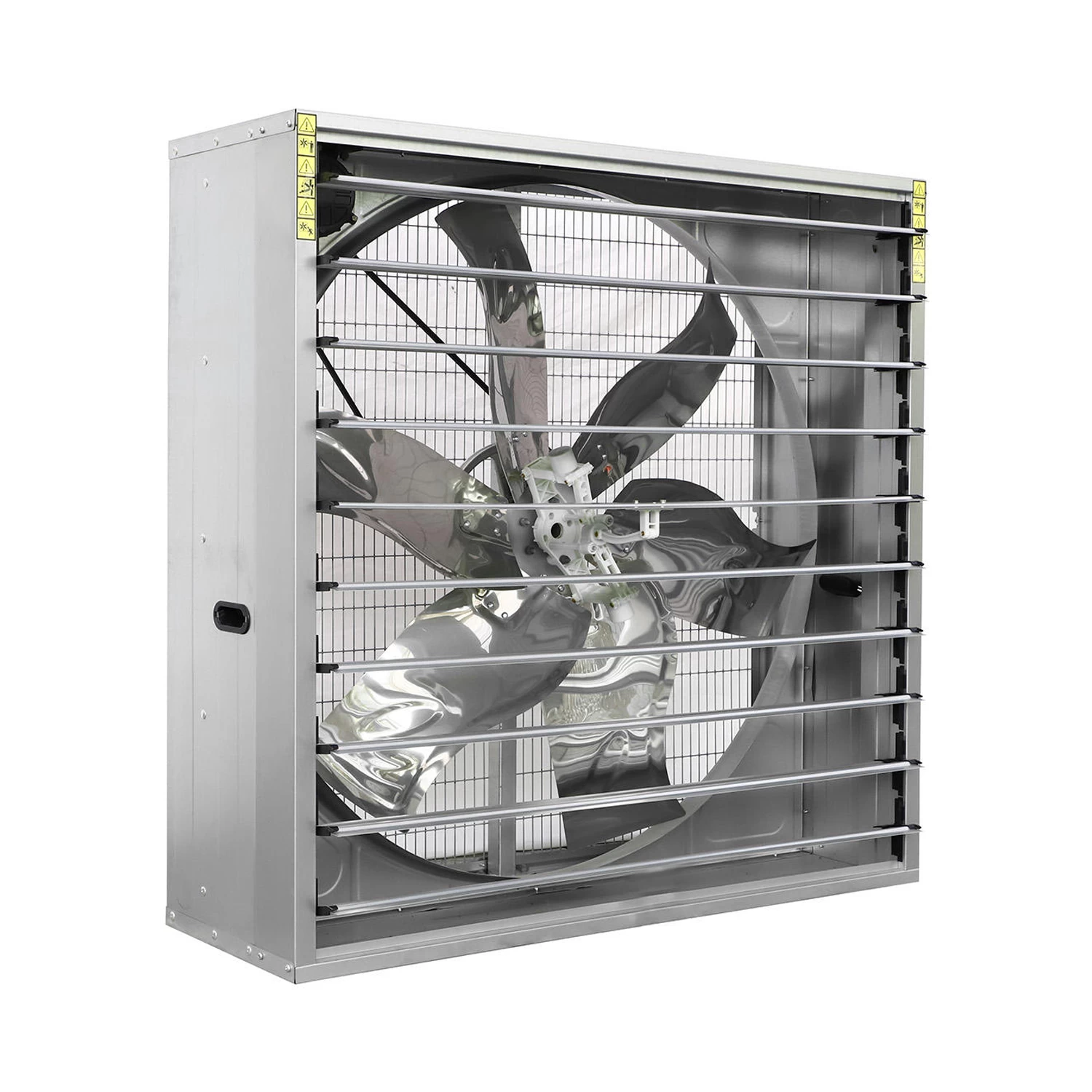
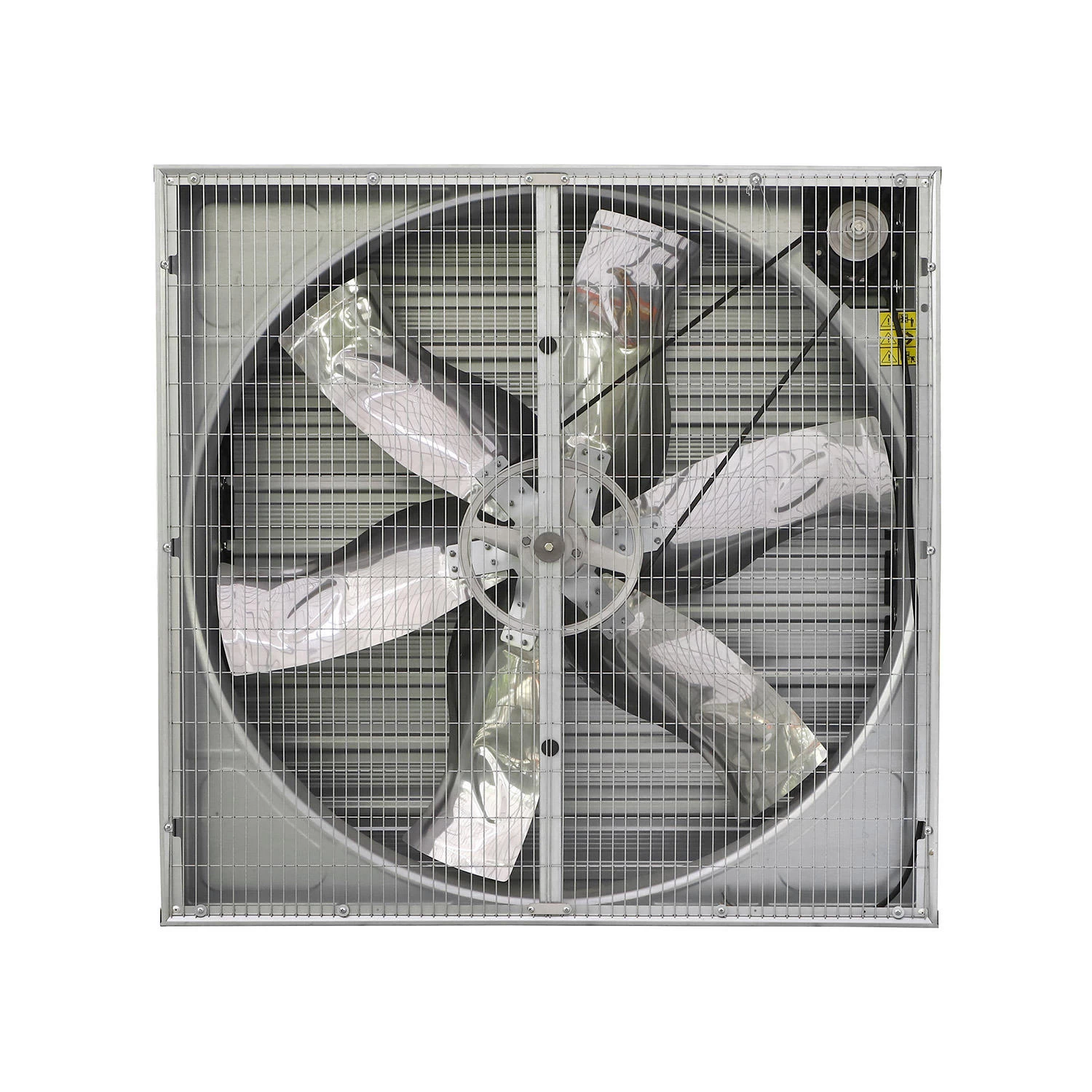
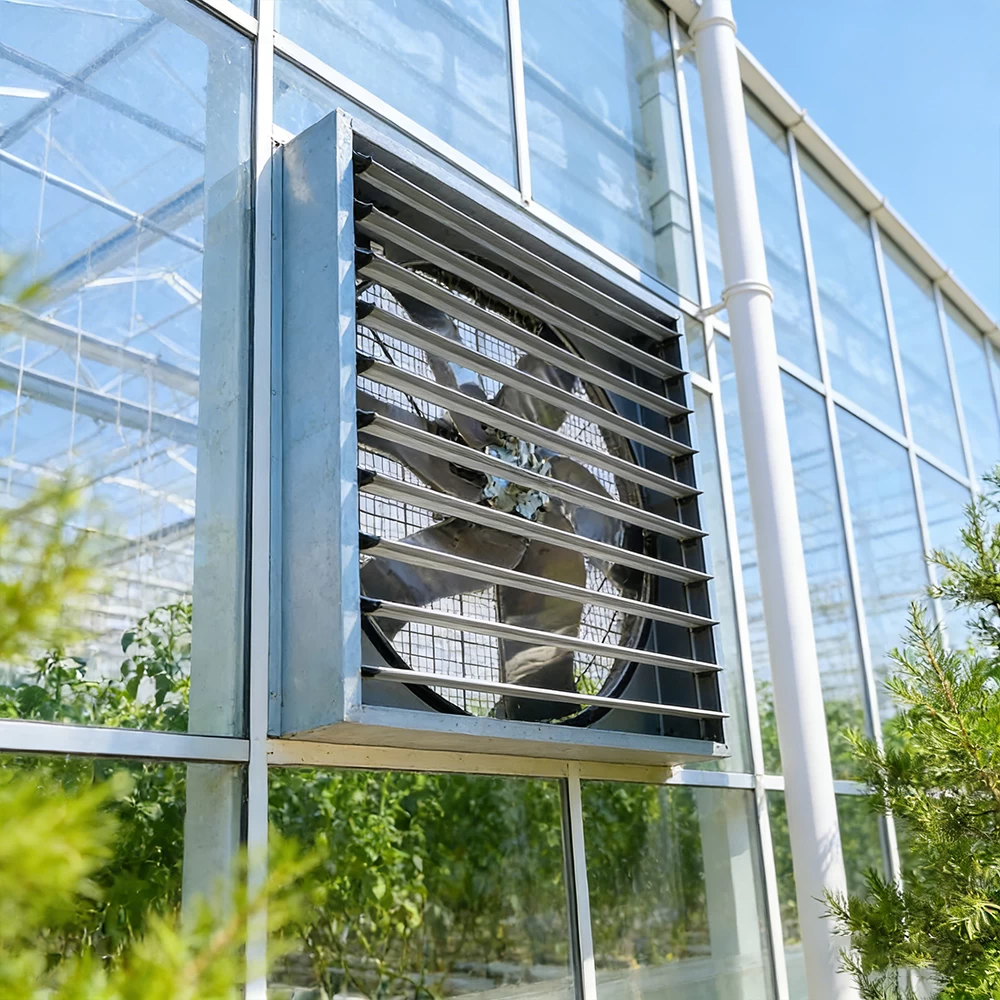
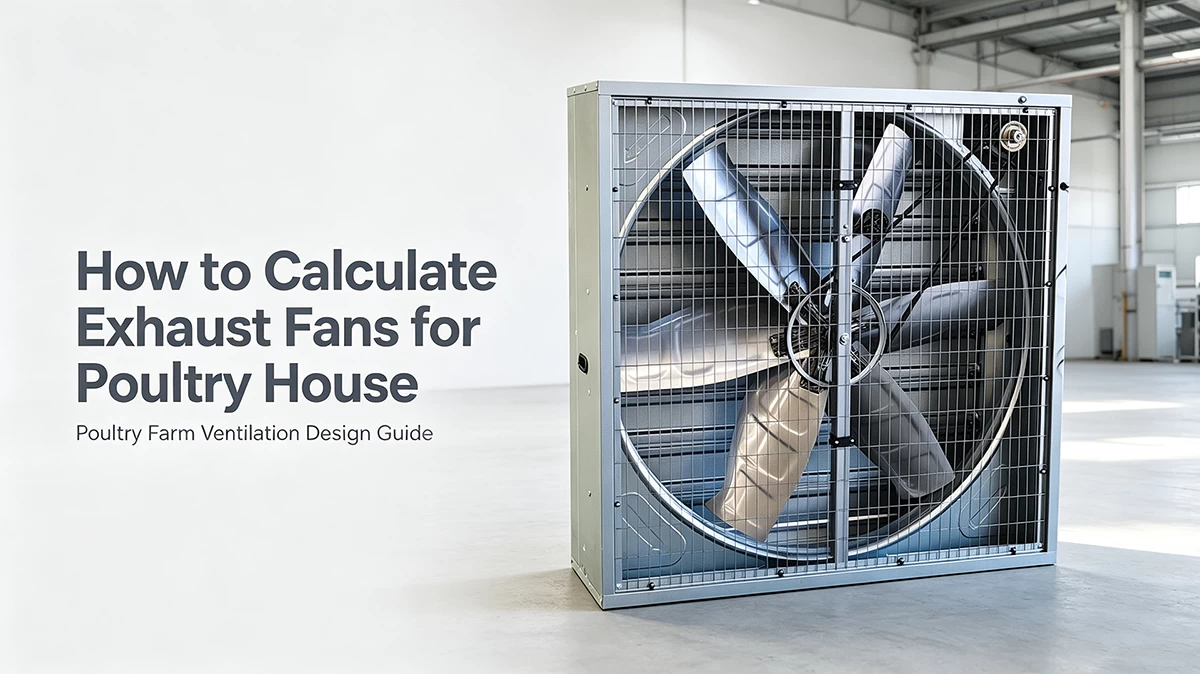
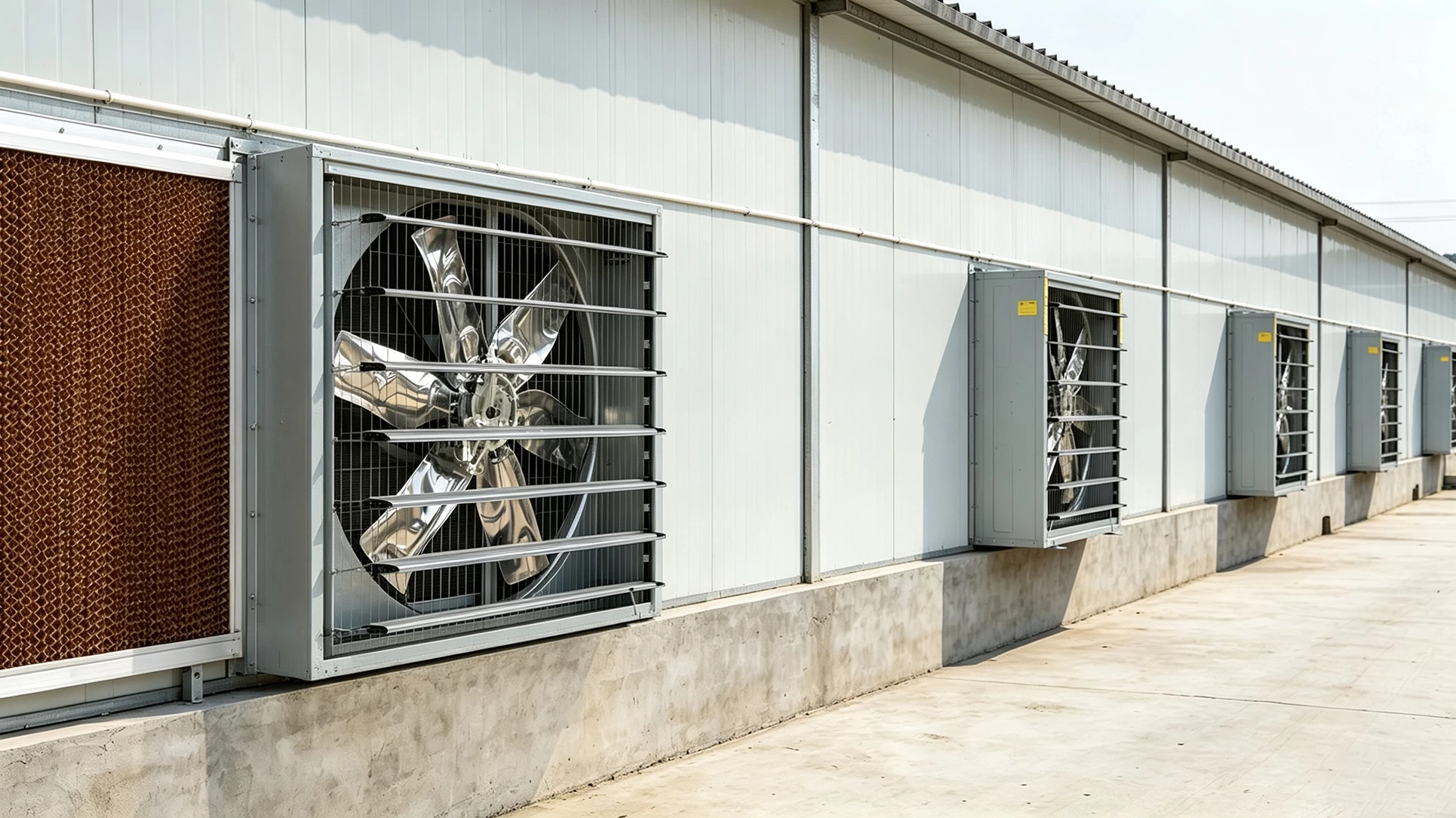
Modern automated poultry farms heavily rely on centrifugal push-pull exhaust fans (especially the heavy-duty 50-inch centrifugal fans). Driven by an advanced centrifugal shutter opening mechanism, these fans ensure a 100% full opening during operation, minimizing wind resistance while delivering superior airtight sealing when idling.
For regions requiring high-density, modern infrastructure on a smart budget—such as South Asia, the Middle East, and Southeast Asia—the classic drop hammer exhaust fan remains a top-selling choice. Equipped with a gravity drop hammer mechanism, these fans provide an unbeatable price advantage.
Meanwhile, large-scale egg layer facilities and vertical housing systems prefer the butterfly cone fan for its ability to deliver high-volume airflow under demanding high-negative-pressure environments. For ultra-corrosive and high-humidity livestock barns, upgrading to a fiberglass exhaust fan (FRP fan) guarantees a prolonged service life that outlasts traditional metals.
2. Cooling and Air Intake Management (H2)
Ventilation is only half of the climate control equation; effective cooling and precision intake are equally vital.
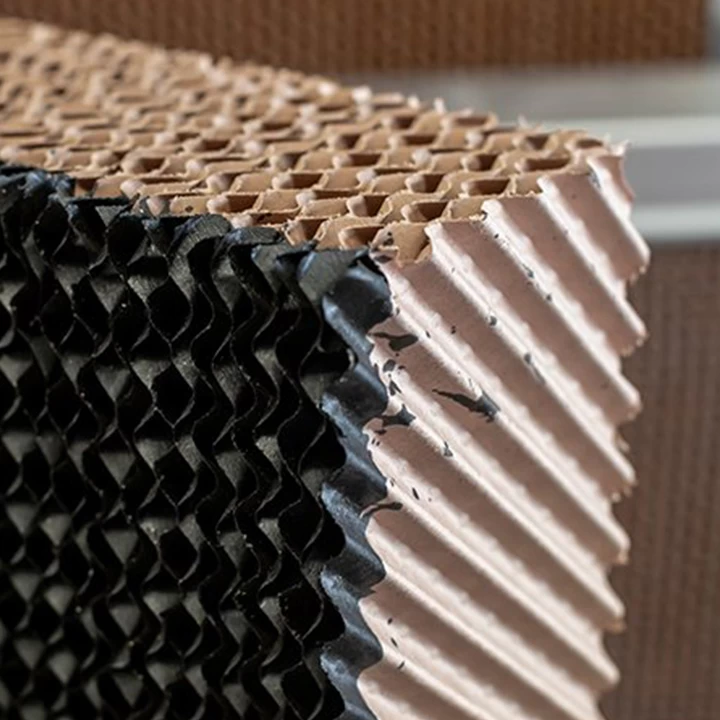
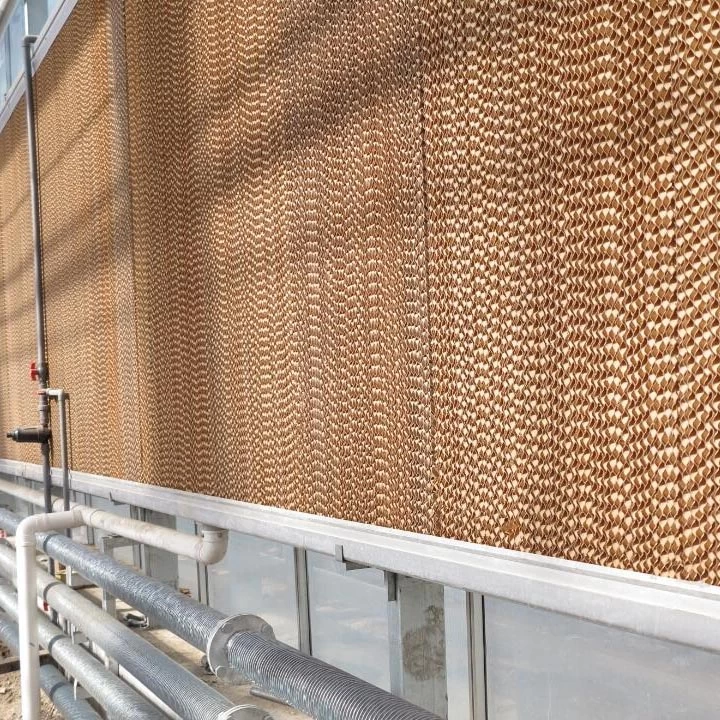
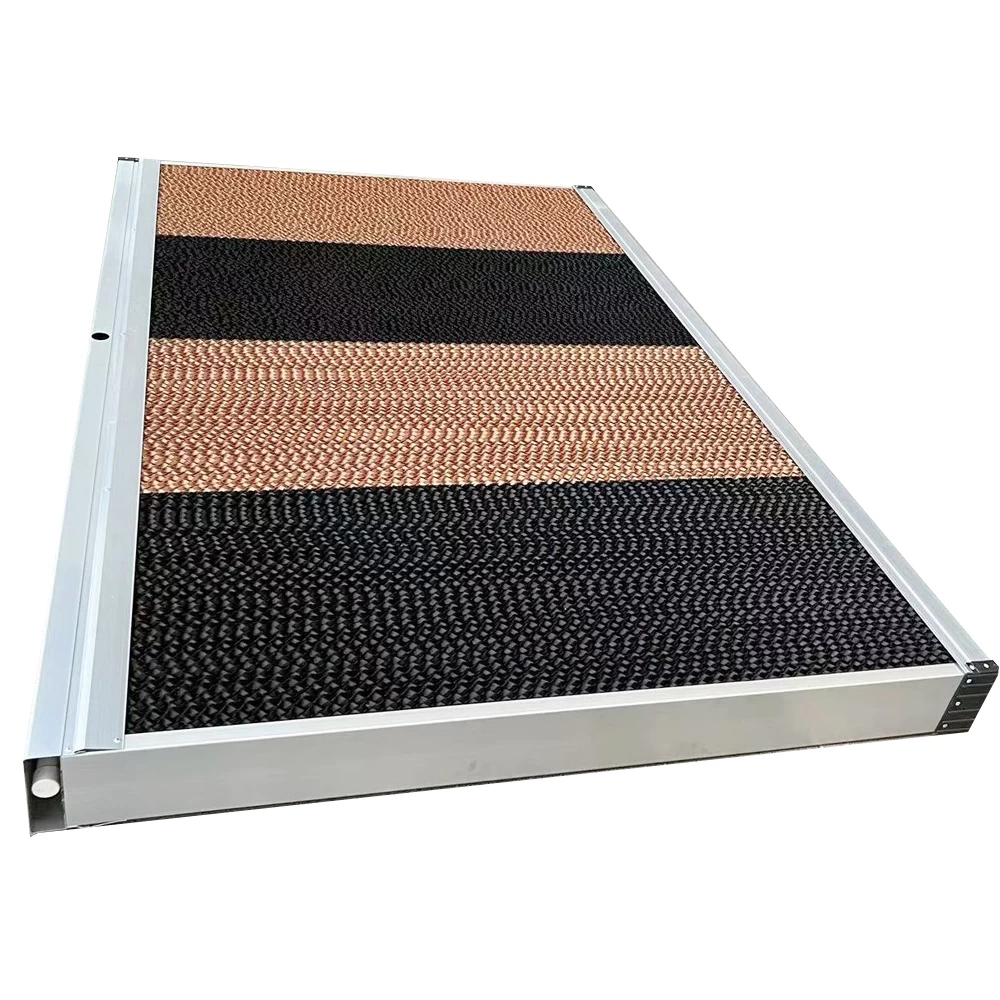
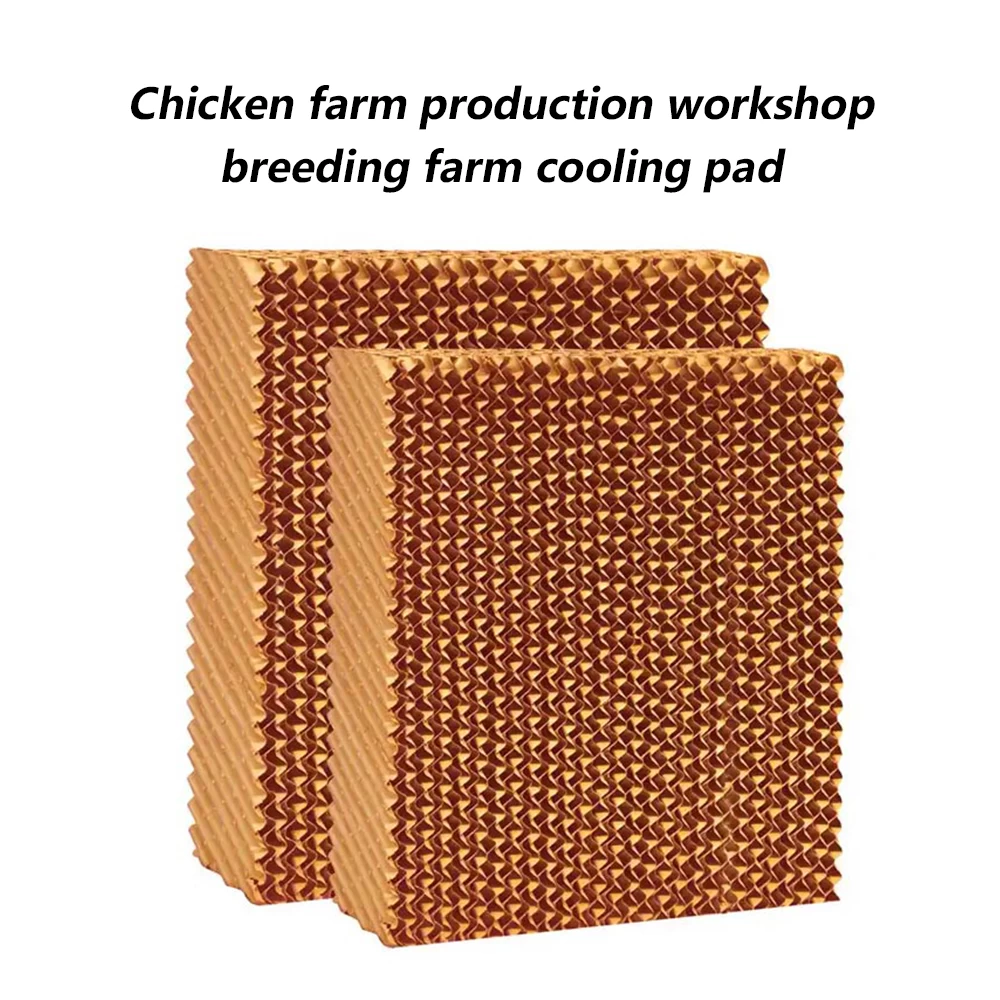
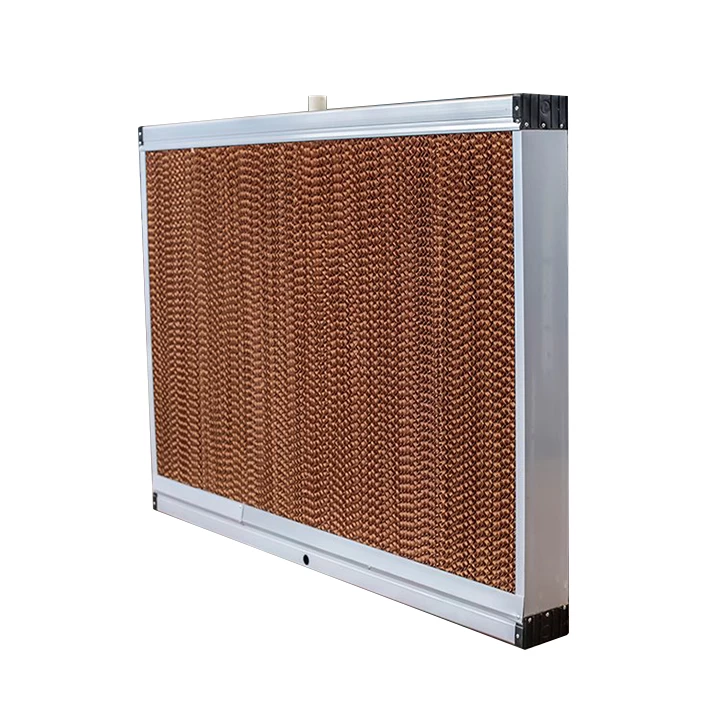
During peak summer, pairing your industrial fans with a high-density evaporative cooling pad (cellulose cooling pad) is the premier cooling and humidification choice. Formed with premium kraft paper, these pads ensure optimal water absorption without carry-over. To maximize durability, commercial contractors always specify a heavy-duty aluminum cooling pad frame or an integrated water tank system to resist leaks and rust.
Simultaneously, air entering the house must be carefully regulated. Installing precision-engineered plastic poultry air inlet valves along the side walls allows for exact static pressure control. High-quality plastic air inlets equipped with anti-bird netting prevent cold backdrafts in winter and ensure a fresh, fresh air distribution across both broiler floor raising equipment setups and stacked layer houses.
3. The Bottom Line for Modern Farmers (H2)
Whether your farm utilizes cage-free broiler floor rearing paths or advanced automatic layer cages, the health of your flock dictates your profitability. Continuous airflow circulation eliminates stagnant air pockets, safeguards bird bone/cardiovascular development, and drives uniform growth.
Invest in high-performance poultry farming equipment and intelligent climate controls today to ensure your agricultural facility is built to outlast the competition.